
Garlic Rapini and Pasta: A Culinary Embrace of Bitter and Bold
The scent of garlic sizzling in olive oil always transports me back to my grandmother’s kitchen. She had a knack for transforming the humblest ingredients into something extraordinary, and rapini, with its assertive bitterness, was one of her favorites. I remember watching her patiently coax the bitterness from the rapini, then tossing it with pasta, a generous glug of olive oil, and enough garlic to ward off any lingering winter blues. It wasn’t just a meal; it was a comforting ritual, a reminder that even the most challenging flavors can be transformed into something beautiful and delicious.
Recipe Overview
- Prep Time: 20 minutes
- Cook Time: 1 hour
- Total Time: 1 hour 20 minutes
- Servings: 6
- Dietary Type: Vegetarian
Ingredients
- 3 bunches of fresh rapini
- 1 head of garlic
- ¾ cup olive oil
- 1 lb rotini pasta
- ½ cup margarine or ½ cup butter
- ¼ teaspoon cayenne pepper (optional)
- 2 tablespoons salt
- ½ teaspoon ground black pepper
- ½ cup grated romano cheese
Equipment Needed
- Large pot (approximately 16″ high)
- Large skillet
- Garlic press
- Strainer
Instructions
- Begin by preparing the rapini. Inspect the bunches carefully and remove any yellow leaves, if present. Trim the ends of the stalks by about ½ inch to remove any dry or tough tips.
- Fill your sink with cold water. Place the rapini leaves in the water to soak, gently moving them around to dislodge any dirt or debris trapped between the leaves. This process thoroughly cleans the rapini before cooking.
- Grab your large pot (ideally around 16 inches high). Fill it with approximately ¾ of the way with water and add 2 tablespoons of salt. Place the pot on your stove and bring the water to a rolling boil over high heat. The salt not only seasons the rapini but also helps to draw out some of its bitterness.
- Drain the rapini from the cold water. Once drained, carefully add the rapini to the boiling water. Be cautious, as the water may splatter.
- Cook the rapini in the boiling water until it becomes tender. This will take at least ½ hour, but it could take longer depending on the thickness of the stalks and the freshness of the rapini. The rapini is ready when the stalks are easily pierced with a fork.
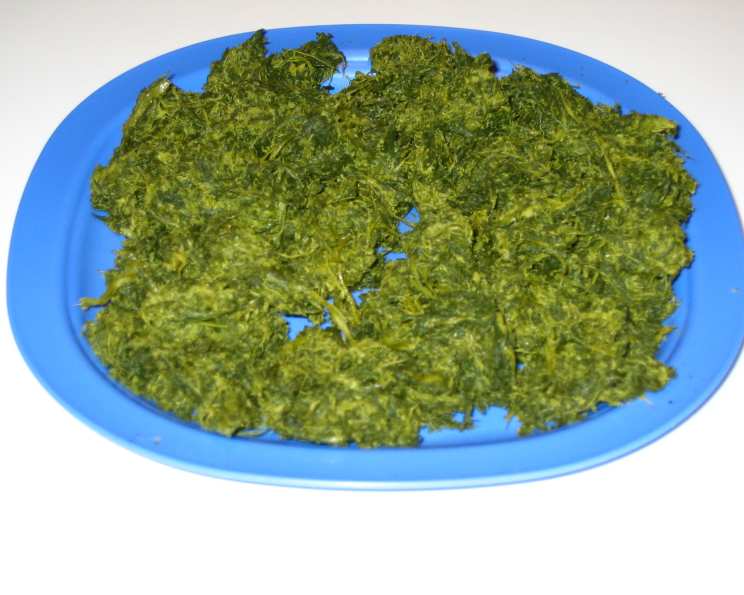
- Once the rapini is tender, carefully strain it from the boiling water. Now comes the part that requires a little elbow grease. Take the cooked rapini and do your best to squeeze out as much water as possible from the bunch. This step is crucial because excess water will dilute the flavors in the final dish. A heavy spoon can be used to press the cooked rapini into the strainer. Continue until most of the water has been extracted, and you can almost roll the rapini into a ball. Set the rapini aside for later.
- Prepare the garlic. Take your head of garlic and peel all the cloves, removing the skins.
- Using a garlic press, crush each clove until the entire head of garlic has been processed into a fine paste. Alternatively, you can mince the garlic very finely with a knife.
- Take half of the olive oil (approximately 6 tablespoons) and heat it in a large skillet over medium heat.
- Sauté the pressed/crushed garlic in the hot olive oil until it begins to turn golden brown. Watch carefully, as garlic can burn quickly, becoming bitter and unpleasant. Aim for a fragrant, golden hue.
- Add the squeezed rapini to the skillet, breaking it into chunks as you go. Spread the rapini out evenly over the surface to ensure it makes contact with the garlic oil.
- Add the remainder of the olive oil to the skillet. Continue to sauté the garlic, rapini, and oil until the rapini has soaked up the olive oil and the flavors have melded together. This should take approximately 10 minutes. Stir frequently to prevent the rapini from sticking to the bottom of the skillet.
- While the rapini is sautéing, cook the rotini pasta according to package directions until it reaches your desired level of doneness (al dente is recommended). Add a pinch of salt to the boiling water while cooking the rotini to season the pasta.
- Once the rotini is cooked, strain it and place it back into the pan.
- Add the margarine (or butter), cayenne pepper (if using), black pepper, and romano cheese to the rotini. Mix well until the rotini is thoroughly coated in the mixture. The residual heat from the pasta will melt the margarine and cheese, creating a creamy sauce.
- Add the garlic rapini and oil from the skillet to the pan containing the rotini. Mix everything together until the rotini is evenly coated with the rapini and garlic mixture.
- Serve immediately with a sprinkle of grated romano cheese on top. Enjoy!
Expert Tips & Tricks
- Taming the Bitterness: If you find rapini too bitter, blanching it twice in boiling water before sautéing can help to mellow its flavor.
- Garlic Infusion: For a more intense garlic flavor, infuse the olive oil with garlic cloves over low heat for 30 minutes before sautéing. Remove the garlic cloves before adding the rapini.
- Pasta Water Magic: Reserve about a cup of the pasta water before draining. Add a little to the sauce if it seems too dry, helping to create a creamier emulsion.
- Squeezing Strength: Use a potato ricer to squeeze the water out of the rapini if you’re having trouble using a spoon.
- Flavor Boost: A squeeze of fresh lemon juice just before serving brightens the dish and balances the bitterness of the rapini.
Serving & Storage Suggestions
Serve the Garlic Rapini and Pasta hot, garnished with a sprinkle of freshly grated Romano cheese. A crusty bread is a perfect accompaniment to soak up the delicious garlic-infused oil.
Leftovers can be stored in an airtight container in the refrigerator for up to 3 days. To reheat, gently warm in a skillet over medium heat, adding a splash of water or olive oil if needed. Microwaving is also an option, but the texture may be slightly altered. Freezing is not recommended, as the pasta can become mushy upon thawing.
Nutritional Information
| Nutrient | Amount per Serving | % Daily Value |
|---|---|---|
| Calories | 698.7 kcal | N/A |
| Total Fat | 45.2 g | 69% |
| Saturated Fat | 8.3 g | 41% |
| Cholesterol | 7.4 mg | 2% |
| Sodium | 2594.8 mg | 108% |
| Total Carbohydrate | 60.6 g | 20% |
| Dietary Fiber | 2.7 g | 10% |
| Sugars | 2.2 g | 8% |
| Protein | 13 g | 25% |
Note: Nutritional information is an estimate and can vary based on specific ingredients and preparation methods.
Variations & Substitutions
- Gluten-Free: Use your favorite gluten-free pasta instead of rotini.
- Vegan: Ensure you’re using a plant-based margarine and omit the Romano cheese. Nutritional yeast can be added for a cheesy flavor.
- Spicy: Increase the amount of cayenne pepper, or add a pinch of red pepper flakes for extra heat.
- Protein Boost: Add cooked Italian sausage, chickpeas, or cannellini beans to the pasta for a heartier meal.
- Greens: Kale or spinach can be substituted for rapini, though the flavor profile will be different.
FAQs (Frequently Asked Questions)
Q: Can I use pre-chopped garlic instead of fresh garlic?
A: While pre-chopped garlic is convenient, fresh garlic offers a much more robust and nuanced flavor. It’s highly recommended to use fresh garlic for this recipe.
Q: How do I know when the rapini is cooked enough?
A: The rapini is cooked enough when the stalks are easily pierced with a fork and the leaves have softened considerably.
Q: Can I use a different type of cheese instead of Romano?
A: Yes, Parmesan cheese is a good substitute for Romano. Pecorino Romano also offers a similar sharp and salty flavor.
Q: Is there a way to reduce the sodium content of this dish?
A: Reduce the amount of salt added to the boiling water, and opt for low-sodium margarine or butter. You can also use unsalted pasta cooking water when mixing the pasta to help loosen the sauce.
Q: What can I serve this with?
A: Garlic rapini and pasta pairs well with grilled chicken, fish, or a simple salad. A glass of crisp white wine, like Pinot Grigio, complements the flavors nicely.
Final Thoughts
Garlic Rapini and Pasta is more than just a simple recipe; it’s a celebration of flavors and a tribute to resourceful cooking. Don’t be intimidated by the rapini’s assertive bitterness – with the right techniques, it transforms into a delightful complement to the creamy pasta and pungent garlic. So, gather your ingredients, embrace the process, and share this comforting dish with the ones you love. I encourage you to experiment with variations, add your own personal touch, and make this recipe your own. Buon appetito!