
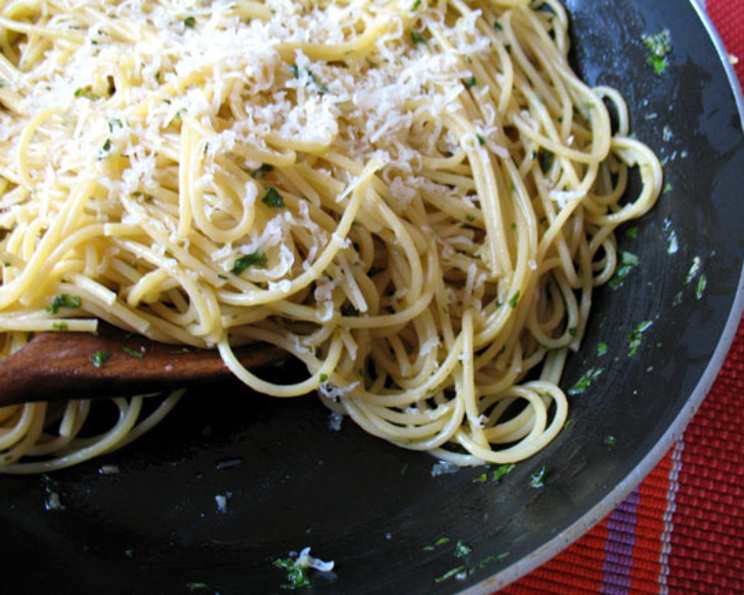
Garlic Spaghetti Sauce: A Simple Symphony of Flavors
My grandmother, Nonna Emilia, always said the best meals were the simplest. I remember being a child, sitting at her worn wooden table, twirling spaghetti slicked with a sauce that smelled only of garlic, olive oil, and sunshine. The aroma alone was enough to transport me to the sun-drenched hills of Tuscany. She never measured a thing, but somehow, every time, it was perfection. This recipe, while offering a more precise approach, strives to capture that same magic.
Recipe Overview
- Prep Time: 5 minutes
- Cook Time: 12 minutes
- Total Time: 17 minutes
- Servings: 4
- Dietary Type: Vegetarian
Ingredients
- 1/2 cup garlic, minced
- 1/4 cup butter
- 1/4 cup extra virgin olive oil
- 1/2 cup chopped basil or 1/2 cup parsley
- Grated parmesan cheese, for serving
Equipment Needed
- Large skillet
- Large pot (for cooking spaghetti)
- Colander
- Tongs or pasta fork
Instructions
-
Begin by bringing a large pot of salted water to a rolling boil. This is for your spaghetti. While the water heats, proceed with the sauce.
-
In a large skillet, melt the butter over medium-low heat. Be careful not to let it brown.
-
Add the extra virgin olive oil to the melted butter. The combination of butter and olive oil creates a flavorful base and prevents the butter from burning.
-
Add the minced garlic to the skillet. This is the most crucial step. Cook the garlic over medium-low heat, stirring frequently, until it is soft and fragrant, but not browned. This usually takes about 5-7 minutes. Burnt garlic will ruin the entire sauce, so patience is key. The garlic should be translucent and release its pungent aroma.
-
Stir in the chopped basil or parsley. Cook for 2 minutes, stirring constantly, until the herbs are limp but still vibrant green. Adding the herbs at the end preserves their fresh flavor and color. If using basil, be mindful not to overcook it as it can turn bitter.
-
While the sauce is cooking, add your spaghetti to the boiling salted water. Cook according to package directions, usually around 8-10 minutes, until al dente. “Al dente” means “to the tooth” in Italian – the pasta should be firm to the bite.
-
Once the spaghetti is cooked, drain it immediately in a colander, reserving about 1/2 cup of the pasta water. The starchy pasta water can be used to adjust the consistency of the sauce if needed.
-
Pour the hot garlic sauce over the cooked spaghetti. Toss lightly to coat every strand. If the sauce seems too thick, add a splash or two of the reserved pasta water until it reaches your desired consistency.
-
Serve immediately, topped generously with grated parmesan cheese.
-
This recipe will cover approximately 3/4 to 1 pound of spaghetti or other pasta.
Expert Tips & Tricks
- Garlic Prep: Mincing the garlic finely is essential for even cooking and flavor distribution. A garlic press can be a helpful tool, but finely chopping it with a knife works just as well.
- Herb Choice: While the recipe allows for either basil or parsley, consider using a combination of both for a more complex flavor profile. A touch of fresh oregano or thyme can also be a delicious addition.
- Infused Oil: For an extra layer of flavor, infuse the olive oil with garlic before starting the sauce. Gently heat the oil with a few cloves of smashed garlic over low heat for about 15-20 minutes, then remove the garlic before proceeding with the recipe.
- Pasta Water Magic: Don’t discard that pasta water! It’s a secret weapon for creating a silky, emulsified sauce. The starch in the water helps bind the sauce to the pasta.
- Finishing Touch: A squeeze of fresh lemon juice at the end brightens up the flavors and adds a touch of acidity.
Serving & Storage Suggestions
Serve this garlic spaghetti sauce immediately while it’s hot and the pasta is perfectly al dente. A side of crusty French bread is perfect for soaking up the flavorful sauce. Offer extra parmesan cheese at the table for those who want an extra cheesy indulgence.
Leftovers can be stored in an airtight container in the refrigerator for up to 3 days. To reheat, gently warm the pasta in a skillet over low heat, adding a splash of water or broth if needed to prevent it from drying out. You can also reheat it in the microwave, but be careful not to overcook the pasta. Freezing is not recommended, as the pasta can become mushy upon thawing.
Nutritional Information
| Nutrient | Amount per Serving | % Daily Value |
|---|---|---|
| Calories | 248 kcal | 12% |
| Total Fat | 25g | 38% |
| Saturated Fat | 9g | 45% |
| Cholesterol | 31mg | 10% |
| Sodium | 105mg | 4% |
| Total Carbohydrate | 6g | 2% |
| Dietary Fiber | 0g | 0% |
| Sugars | 0g | 0% |
| Protein | 1g | 2% |
Variations & Substitutions
- Spice it Up: Add a pinch of red pepper flakes to the garlic while it’s cooking for a spicy kick.
- Add Vegetables: Sauté some sliced mushrooms, zucchini, or spinach with the garlic for a more nutritious and flavorful sauce. Sun-dried tomatoes also make a delicious addition.
- Seafood Sensation: Toss in some cooked shrimp, scallops, or clams for a seafood-inspired version.
- Vegan Option: Substitute the butter with olive oil and use a vegan parmesan cheese alternative.
- Gluten-Free: Use your favorite gluten-free spaghetti.
- Lemon Garlic: Add the zest of one lemon to the sauce while cooking for a brighter flavor.
- Add some sliced black olives, fried or marinated mushrooms or sun blush tomatoes at the end.
FAQs (Frequently Asked Questions)
Q: Can I use pre-minced garlic from a jar?
A: While convenient, fresh garlic offers a much more vibrant flavor. If using jarred garlic, use it sparingly as it can sometimes have a slightly bitter taste.
Q: How do I prevent the garlic from burning?
A: The key is to cook the garlic over low heat and stir it frequently. If it starts to brown too quickly, remove the skillet from the heat for a moment to cool it down.
Q: Can I add other herbs besides basil or parsley?
A: Absolutely! Fresh oregano, thyme, or rosemary can also be delicious additions. Experiment and find your favorite combination.
Q: What if I don’t have parmesan cheese?
A: Pecorino Romano cheese is a good substitute. You can also use nutritional yeast for a vegan alternative.
Q: How can I make the sauce richer and creamier?
A: Stir in a tablespoon of heavy cream or mascarpone cheese at the end for a richer, creamier texture. Alternatively, you can add a small amount of cream cheese.
Final Thoughts
This garlic spaghetti sauce is a testament to the power of simplicity. With just a handful of ingredients and a few simple steps, you can create a dish that is both comforting and satisfying. Don’t be afraid to experiment with different herbs and vegetables to make it your own. I encourage you to try this recipe and share your feedback – and perhaps a picture of your creation! Pair it with a crisp glass of Pinot Grigio and a side salad for a complete and delightful meal. Buon appetito!