
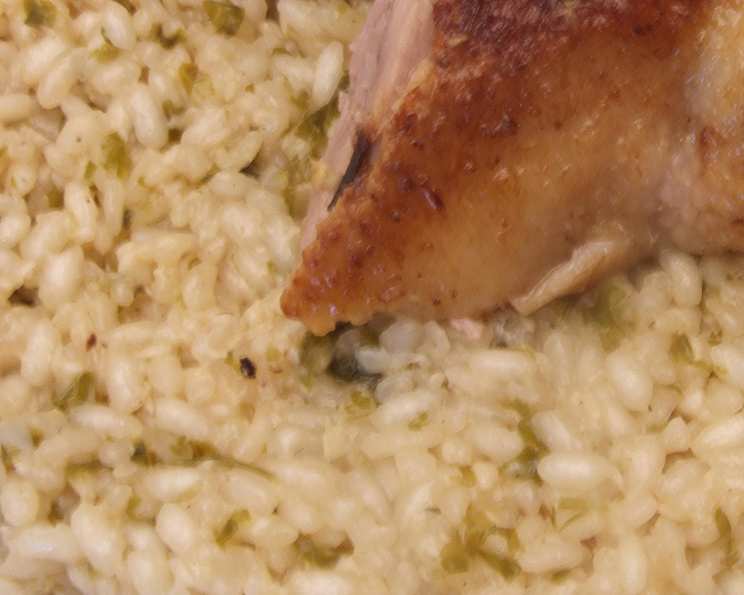
Garlic-Wine Rice Pilaf: A Chef’s Comfort Staple
There are dishes that are technically impressive, showcasing advanced techniques and rare ingredients. And then there are those dishes that are soul-satisfying, simple, and perfect in their own right. Garlic-Wine Rice Pilaf falls squarely into the latter category. I remember first encountering it on a particularly gloomy autumn evening during my early culinary school days. The aroma alone—garlic gently sautéed in butter, mingling with the herbaceous notes of vermouth—was enough to banish the dreariness. It’s a dish I’ve returned to countless times, adapting it slightly over the years, but always retaining its comforting essence. It’s a blank canvas for creativity, a humble side that elevates any meal, and a reminder that sometimes, the simplest things are truly the best.
Recipe Overview
- Prep Time: 15 minutes
- Cook Time: 30 minutes
- Total Time: 45 minutes
- Servings: 4
- Dietary Type: Vegetarian (easily adaptable to vegan with vegan butter)
Ingredients
- 1 lemon, rind of
- 8 cloves garlic, peeled
- ½ cup parsley
- 6 tablespoons unsalted butter (or vegan butter for a vegan option)
- 1 cup rice (long-grain or medium-grain, not instant)
- 1 ¼ cups chicken stock (or vegetable stock for vegetarian/vegan)
- ¾ cup dry vermouth
- Salt & pepper to taste
Equipment Needed
- Heavy 2-quart pot with a tight-fitting lid
- Saucepan
- Cutting board
- Knife
- Fork
Instructions
-
Prepare the Aromatics: Begin by finely chopping the lemon rind, garlic, and parsley. The finer the chop, the more readily the flavors will infuse the pilaf. Aim for a consistent mince.
-
Sauté the Garlic Infusion: In the heavy 2-quart pot, melt the butter over low heat. Add the chopped garlic mixture and cook very gently for 10 minutes. The key here is gentle. We’re not looking for browning, but rather a slow infusion of the butter with the aromatic oils of the garlic, lemon, and parsley. Stir frequently to prevent burning.
-
Toast the Rice: Stir in the rice and cook over medium heat for 2 minutes, stirring constantly. Toasting the rice lightly enhances its nutty flavor and helps prevent it from becoming gummy during cooking. Ensure each grain is coated with the butter and garlic mixture.
-
Heat the Liquid: In a separate saucepan, combine the chicken stock and dry vermouth. Heat until the mixture begins to bubble at the sides. This step ensures that the rice cooks evenly and efficiently. Adding cold liquid can significantly increase the cooking time and lead to uneven results.
-
Combine and Simmer: Carefully pour the hot stock and vermouth mixture into the pot with the rice. Add salt and freshly ground pepper to taste. A good starting point is about ½ teaspoon of salt and ¼ teaspoon of pepper, but adjust to your preference.
-
Simmer to Perfection: Cover the pot tightly and reduce the heat to very low. Simmer for 20 minutes, or until the liquid is absorbed and the rice is tender. It’s crucial to keep the lid on tight to trap the steam and ensure even cooking. Avoid lifting the lid during cooking, as this will release steam and prolong the cooking time.
-
Fluff and Rest: Once the rice is cooked, remove the pot from the heat and fluff it gently with a fork. This separates the grains and prevents them from sticking together.
-
Rest and Serve: Cover the pot with a clean kitchen towel and then replace the lid. Let the pilaf rest for at least 10 minutes before serving. This allows the steam to redistribute evenly throughout the rice, resulting in a perfectly textured pilaf. The towel absorbs any excess moisture, further preventing the rice from becoming soggy. Serve hot or at room temperature.
Expert Tips & Tricks
-
Garlic Matters: Use fresh, high-quality garlic for the best flavor. Pre-minced garlic often lacks the pungent aroma and sweetness of freshly minced cloves.
-
Don’t Brown the Garlic: Keep the heat low when sautéing the garlic mixture. Burnt garlic will impart a bitter flavor to the pilaf.
-
Rice Choice: While long-grain rice is traditional, medium-grain rice such as Arborio will result in a creamier, risotto-like texture. Avoid instant rice, as it won’t hold its shape and will become mushy.
-
Liquid Ratio: The liquid ratio is crucial for perfectly cooked pilaf. Too much liquid will result in soggy rice, while too little will result in dry, undercooked rice. If you find that the rice is still slightly firm after 20 minutes, add a tablespoon or two of additional stock and continue simmering until tender.
-
Wine Choice: Dry vermouth adds a subtle herbaceousness to the pilaf. However, you can substitute with a dry white wine like Sauvignon Blanc or Pinot Grigio. If you prefer a non-alcoholic option, use additional chicken or vegetable stock.
Serving & Storage Suggestions
Garlic-Wine Rice Pilaf is a versatile side dish that pairs well with a variety of entrees. It’s particularly delicious with roasted chicken, grilled fish, or vegetarian dishes like lentil loaf.
-
Serving Suggestions: Garnish the pilaf with a sprinkle of fresh parsley or a squeeze of lemon juice just before serving. For a more elegant presentation, serve the pilaf in individual ramekins.
-
Storage: Leftover pilaf can be stored in an airtight container in the refrigerator for up to 3 days.
-
Reheating: To reheat, add a tablespoon or two of water or stock to the pilaf and microwave on medium power until heated through. You can also reheat it in a saucepan over low heat, stirring occasionally.
-
Freezing: While not ideal, pilaf can be frozen for up to 1 month. Thaw overnight in the refrigerator before reheating. The texture may be slightly softer after freezing.
Nutritional Information
| Nutrient | Amount per Serving | % Daily Value |
|---|---|---|
| Calories | 366.9 kcal | N/A |
| Calories from Fat | 166 g | 46% |
| Total Fat | 18.6 g | 28% |
| Saturated Fat | 11.3 g | 56% |
| Cholesterol | 48 mg | 16% |
| Sodium | 115.3 mg | 4% |
| Total Carbohydrate | 43.8 g | 14% |
| Dietary Fiber | 1.1 g | 4% |
| Sugars | 1.3 g | 5% |
| Protein | 5.9 g | 11% |
Note: Nutritional information is an estimate and may vary based on specific ingredients and preparation methods.
Variations & Substitutions
-
Vegan Pilaf: Substitute the butter with vegan butter and the chicken stock with vegetable stock. Ensure the vermouth is also vegan-friendly (some brands use fining agents derived from animal products).
-
Mushroom Pilaf: Add sliced mushrooms to the garlic mixture and sauté until softened before adding the rice.
-
Herb Pilaf: Experiment with different herbs such as thyme, rosemary, or oregano. Add the herbs to the garlic mixture during the last few minutes of cooking.
-
Nutty Pilaf: Toast slivered almonds or pine nuts in the oven or in a dry skillet and add them to the pilaf just before serving.
-
Citrus Pilaf: Use orange or grapefruit zest instead of lemon zest for a different citrus flavor.
FAQs (Frequently Asked Questions)
Q: Can I use brown rice instead of white rice?
A: Yes, you can, but brown rice requires a longer cooking time. You’ll likely need to increase the simmering time to 45-50 minutes and may need to add more liquid.
Q: What if I don’t have dry vermouth?
A: A dry white wine like Sauvignon Blanc or Pinot Grigio makes a good substitute. You can also use additional chicken or vegetable stock.
Q: Can I make this ahead of time?
A: Yes, you can make the pilaf a day or two in advance. Store it in an airtight container in the refrigerator and reheat before serving.
Q: How do I prevent the rice from sticking to the bottom of the pot?
A: Using a heavy-bottomed pot and keeping the heat very low during simmering will help prevent sticking. Also, avoid lifting the lid during cooking.
Q: My pilaf is too dry. What should I do?
A: Add a tablespoon or two of stock or water, cover the pot, and simmer for a few more minutes until the liquid is absorbed.
Final Thoughts
Garlic-Wine Rice Pilaf is more than just a side dish; it’s a comforting classic that’s perfect for any occasion. Its simple elegance and adaptable nature make it a staple in my kitchen, and I hope it will become one in yours as well. Don’t be afraid to experiment with different herbs, spices, and vegetables to create your own unique variation. I encourage you to try this recipe and share your feedback. Perhaps pair it with a perfectly roasted chicken and a crisp green salad for a complete and satisfying meal. Bon appétit!