
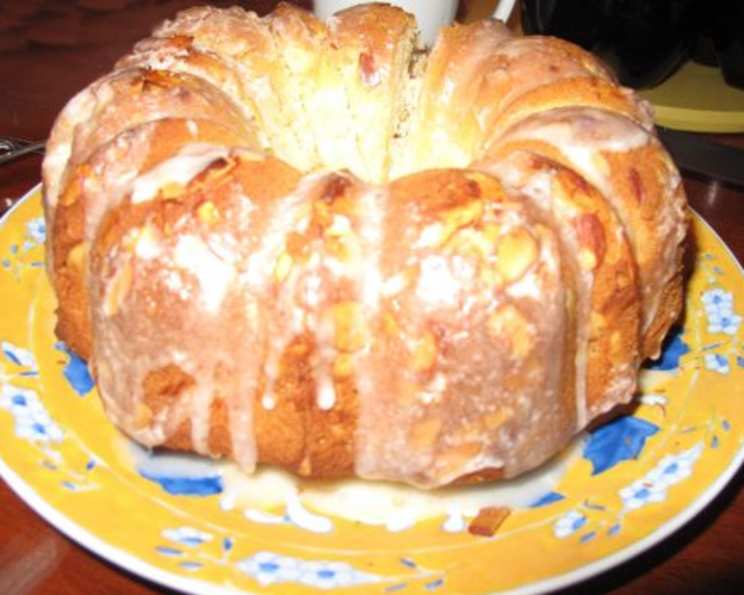
German Bundt Cake: A Symphony of Almonds and Butter
The scent alone transports me back to Oma’s kitchen, sunlight streaming through the lace curtains as she pulled a golden-brown Bundt cake from her ancient oven. It wasn’t just the taste of buttery richness studded with almonds that captivated me, but the feeling of warmth and tradition that each slice embodied. This wasn’t just cake; it was a tangible piece of my heritage, a sweet memory baked into every tender crumb. Now, after decades of perfecting this recipe, I’m thrilled to share this treasured piece of my past with you.
Recipe Overview
- Prep Time: 30 minutes
- Cook Time: 1 hour 30 minutes
- Total Time: 2 hours
- Servings: 10-14
- Yield: 1 Bundt cake
- Dietary Type: Not suitable for Dairy-Free
Ingredients
- 200g butter, softened, plus extra for greasing
- 1/3 cup whole blanched almonds
- 3/4 cup icing sugar, sifted, plus extra for dusting
- 3/4 cup caster sugar
- 3 eggs, separated
- 3/4 teaspoon vanilla essence
- 1/4 teaspoon almond essence
- 2 1/4 cups flour
- 1 1/2 teaspoons baking powder
- 1 pinch salt
- 3/4 cup milk
Equipment Needed
- 6-7 cup fluted ring cake mould (Bundt pan)
- Electric mixer
- Sifter
- Large metal spoon
- Skewer for testing doneness
Instructions
-
Preheat your oven to a moderate temperature of 180°C (350°F). Proper temperature is crucial for even baking.
-
Prepare your Bundt pan. Grease it thoroughly with about 30g of the butter, ensuring to place generous dabs in the creases of the mould. This prevents the cake from sticking and helps create a beautiful design.
-
Embed a whole blanched almond into each dab of butter in the creases. This not only adds a decorative touch but also provides a delightful textural contrast.
-
Place the prepared Bundt pan in the refrigerator to set while you prepare the cake batter. Chilling the pan ensures the butter solidifies, further preventing sticking.
-
In a large mixing bowl, cream the remaining butter (170g) until light and fluffy. This is a critical step for achieving a tender crumb. Use an electric mixer for best results, and don’t rush the process – it should take several minutes.
-
Gradually beat in the caster sugar and icing sugar, adding them slowly and beating well between each addition. This ensures the sugar is fully incorporated into the butter, creating a smooth and stable base for the cake.
-
Add the egg yolks one at a time, beating until smooth after each addition. The egg yolks contribute richness and emulsification to the batter.
-
Stir in the vanilla essence and almond essence. These extracts enhance the overall flavour profile of the cake, adding depth and complexity.
-
Sift the flour, baking powder, and salt together three times. Sifting aerates the dry ingredients, ensuring they are evenly distributed throughout the batter and resulting in a lighter texture.
-
Gradually fold the sifted dry ingredients into the creamed butter mixture alternately with the milk, beginning and ending with the dry ingredients. This technique prevents overmixing, which can lead to a tough cake. Use a gentle folding motion to combine the ingredients.
-
In a separate clean, dry bowl, whisk the egg whites until stiff peaks form. Be careful not to overwhip, as this can make the whites dry and difficult to fold in.
-
Stir a spoonful of the whisked egg whites into the cake mixture to lighten it. This helps to incorporate the remaining egg whites more easily.
-
Gently fold in the remaining egg whites carefully and lightly using a large metal spoon. It’s essential to maintain the volume of the egg whites to ensure a light and airy cake. Avoid overmixing, which will deflate the whites.
-
Pour the batter into the prepared Bundt pan, ensuring it is evenly distributed.
-
Bake for about 1 1/2 hours (90 minutes), or until the cake is cooked when tested with a skewer. Insert a skewer into the centre of the cake; if it comes out clean, the cake is done. If not, continue baking for a few more minutes and test again. Be vigilant as oven temperatures can vary.
-
Allow the cake to stand in the pan for about 15 minutes before turning it out onto a wire rack to cool completely. This allows the cake to settle and prevents it from breaking apart when removed from the pan.
-
Once the cake has cooled completely, dust it generously with sifted icing sugar to finish. The icing sugar adds a touch of sweetness and creates a beautiful presentation.
-
Cut this rich cake into thin slices to serve. Its density and flavor make it a delightful treat for special occasions.
Expert Tips & Tricks
- Temperature is key: Ensure your butter is properly softened but not melted. Overly soft butter can result in a greasy cake.
- Don’t overmix: Overmixing develops gluten in the flour, leading to a tough cake. Fold ingredients gently until just combined.
- Test for doneness: A skewer inserted into the centre of the cake should come out clean. If it comes out with wet batter, bake for a few more minutes and test again.
- Prevent sticking: Thoroughly greasing and flouring the Bundt pan is crucial to prevent sticking. You can also use a baking spray specifically designed for Bundt pans.
- Level the cake: If your cake has a slight dome after baking, use a serrated knife to carefully level the bottom (which will become the top after inverting). This makes for a more stable and attractive presentation.
Serving & Storage Suggestions
Serve the German Bundt cake at room temperature. The subtle almond flavor pairs beautifully with a cup of strong coffee or a glass of dessert wine. For a more decadent treat, serve with a dollop of whipped cream or a scoop of vanilla ice cream.
To store, wrap the cake tightly in plastic wrap or place it in an airtight container. It will keep at room temperature for up to 3 days or in the refrigerator for up to a week. You can also freeze the cake for up to 2 months. To thaw, let it sit at room temperature for several hours.
Nutritional Information
| Nutrient | Amount per Serving | % Daily Value |
|---|---|---|
| Calories | 401 kcal | N/A |
| Calories from Fat | 189 | N/A |
| Total Fat | 21g | 32% |
| Saturated Fat | 11.3g | 56% |
| Cholesterol | 101.1mg | 33% |
| Sodium | 244mg | 10% |
| Total Carbohydrate | 47.5g | 15% |
| Dietary Fiber | 1.2g | 4% |
| Sugars | 24.2g | N/A |
| Protein | 6.6g | N/A |
Note: Nutritional information is an estimate and may vary based on specific ingredients and preparation methods.
Variations & Substitutions
- Lemon Zest: Add the zest of one lemon to the batter for a bright, citrusy twist.
- Spiced Bundt: Incorporate 1 teaspoon of ground cinnamon and 1/2 teaspoon of ground nutmeg for a warm, spiced flavor.
- Chocolate Glaze: Drizzle a rich chocolate glaze over the cooled cake for an extra layer of indulgence.
- Gluten-Free Option: Substitute the all-purpose flour with a gluten-free blend. Be sure to add 1 teaspoon of xanthan gum to help bind the ingredients.
- Nut-Free Option: Omit the almonds in the preparation of the bundt pan, and replace the almond essence with additional vanilla essence.
FAQs (Frequently Asked Questions):
Q: Can I use a different type of nut instead of almonds?
A: Yes, you can substitute with other nuts like pecans or walnuts, but the flavor profile will be different. Toasting the nuts beforehand enhances their flavor.
Q: My cake stuck to the pan. What did I do wrong?
A: The most common cause is insufficient greasing. Make sure to grease the pan thoroughly, especially in the crevices. Chilling the pan after greasing also helps.
Q: How do I prevent the bottom of the cake from becoming too dark?
A: Place a baking sheet on the rack below the cake to deflect some of the heat. This will help prevent the bottom from burning.
Q: Can I make this cake ahead of time?
A: Yes, the cake can be made a day or two in advance. Store it tightly wrapped at room temperature.
Q: The top of my cake is browning too quickly. What should I do?
A: Tent the cake loosely with foil to prevent it from browning too much. This will allow the cake to continue baking without burning the top.
Final Thoughts
Now that you have the recipe, I encourage you to try baking this German Bundt Cake and create your own memories around it. It’s a cake that’s perfect for any occasion, from a casual afternoon tea to a festive holiday gathering. Don’t be afraid to experiment with variations and make it your own. And most importantly, enjoy the process and the delicious results! I hope that with every slice, you’ll taste not just the almonds and butter, but also a little piece of my Oma’s kitchen and the warmth of shared traditions.