
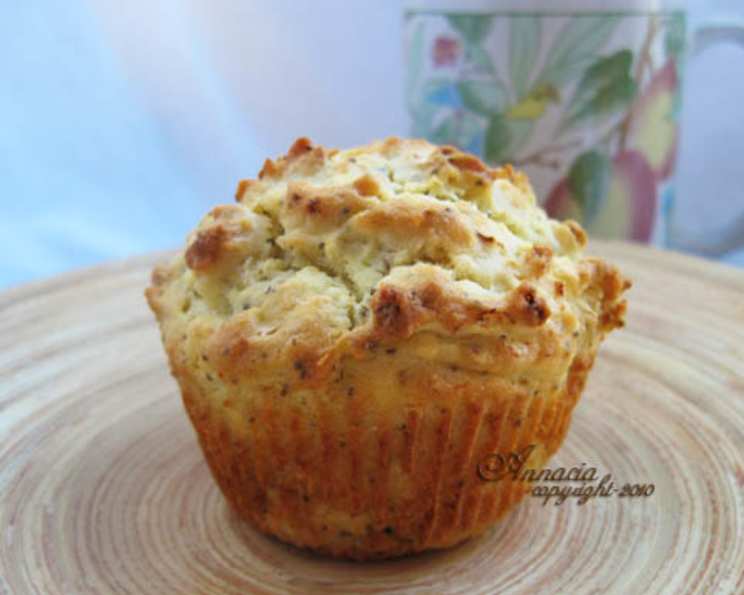
German Cabbage Muffins: A Taste of Oma’s Kitchen
The scent of cooked cabbage always takes me back to my grandmother’s kitchen. She was German through and through, and while her cooking wasn’t always pretty, it was always comforting. I remember sitting at her kitchen table, steam fogging the windowpane, as she pulled a tray of these savory muffins from the oven. The slightly sweet, subtly earthy aroma filled the air, promising a taste of home, of warmth, and of pure, unadulterated love. These German Cabbage Muffins are a simple pleasure, a rustic delight that I hope you’ll enjoy as much as I do.
Recipe Overview
- Prep Time: 15 minutes
- Cook Time: 20 minutes
- Total Time: 35 minutes
- Servings: 12
- Yields: 12 muffins
- Dietary Type: Vegetarian
Ingredients
- 1 ¾ cups flour
- 2 teaspoons celery seeds
- 1 tablespoon baking powder
- 2 cups cabbage, grated
- 1 teaspoon salt
- 2 eggs
- 1 tablespoon sugar
- ¾ cup low-fat milk
- 2 teaspoons onion flakes
- 6 tablespoons butter, melted
Equipment Needed
- Muffin tin (12-cup)
- Mixing bowls
- Whisk
- Grater
Instructions
- Preheat your oven to 400 degrees F (200 degrees C). Ensure the oven rack is positioned in the center for even baking.
- In a large mixing bowl, combine the dry ingredients: flour, baking powder, salt, sugar, onion flakes, and celery seed. Whisk thoroughly to ensure even distribution of the baking powder and spices. This step is crucial for achieving a uniform rise and flavor in your muffins.
- Add the grated cabbage to the dry ingredients. Gently stir to incorporate the cabbage evenly throughout the flour mixture. Avoid overmixing at this stage, as it can lead to tough muffins.
- In a separate bowl, whisk together the wet ingredients: eggs, milk, and melted butter. Make sure the butter has cooled slightly before adding it to the eggs to prevent them from cooking.
- Pour the wet ingredients into the bowl with the dry ingredients and cabbage. Stir quickly and lightly, making sure the batter is just combined. Be careful not to overmix; aim for no more than 10 seconds of stirring. A few streaks of flour are perfectly fine. Overmixing develops the gluten in the flour, resulting in a dense, less tender muffin.
- Grease your muffin tin thoroughly. This is essential to prevent the muffins from sticking. You can use butter, cooking spray, or muffin liners.
- Spoon the batter into the prepared muffin tin, filling each cup about two-thirds full. This allows room for the muffins to rise without overflowing.
- Bake in the preheated oven for 20 minutes, or until the muffins are golden brown and a toothpick inserted into the center comes out clean. Start checking for doneness around 18 minutes, as oven temperatures can vary. If the tops are browning too quickly, you can tent the muffins with foil for the last few minutes of baking.
- Once baked, remove the muffin tin from the oven and let the muffins cool in the tin for a few minutes before transferring them to a wire rack to cool completely. This prevents them from becoming soggy.
Expert Tips & Tricks
- Cabbage Prep: For the best texture, use a box grater to shred the cabbage. Avoid using a food processor, as it can result in finely chopped cabbage that makes the muffins too wet.
- Flavor Boost: Consider adding a pinch of nutmeg or caraway seeds to the dry ingredients for a more pronounced German flavor. A tablespoon of chopped fresh dill or parsley would also be a lovely addition.
- Browning: For a deeper golden-brown color, brush the tops of the muffins with a little melted butter or milk before baking.
- Make-Ahead: The dry ingredients can be mixed ahead of time and stored in an airtight container. When ready to bake, simply add the wet ingredients and proceed with the recipe.
- Batter Consistency: The batter should be fairly thick. If it seems too runny, add a tablespoon or two of flour until the desired consistency is reached. Remember not to overmix.
Serving & Storage Suggestions
These German Cabbage Muffins are delicious served warm or at room temperature. They make a wonderful accompaniment to soups, stews, or salads. They also pair well with breakfast or brunch, especially alongside eggs and bacon.
- Serving: Serve these muffins warm with a smear of butter or cream cheese. They’re also great with a dollop of sour cream or a sprinkle of fresh herbs.
- Storage: Store leftover muffins in an airtight container at room temperature for up to 2 days, in the refrigerator for up to 5 days, or in the freezer for up to 2 months.
- Reheating: To reheat, wrap the muffins in foil and warm them in a 350°F (175°C) oven for about 10 minutes, or until heated through. You can also microwave them for a few seconds, but be careful not to overcook them, as they can become tough.
Nutritional Information
| Nutrient | Amount per Serving | % Daily Value |
|---|---|---|
| Calories | 145.4 kcal | – |
| Calories from Fat | 62 g | 43% |
| Total Fat | 7 g | 10% |
| Saturated Fat | 4 g | 20% |
| Cholesterol | 47 mg | 15% |
| Sodium | 356.9 mg | 14% |
| Total Carbohydrate | 17.1 g | 5% |
| Dietary Fiber | 0.8 g | 3% |
| Sugars | 2.4 g | – |
| Protein | 3.7 g | 7% |
Variations & Substitutions
- Gluten-Free: Substitute the all-purpose flour with a gluten-free blend. Ensure the blend contains xanthan gum for proper binding.
- Dairy-Free: Use a plant-based milk alternative, such as almond milk or soy milk, instead of low-fat milk. Substitute the butter with a dairy-free butter alternative or melted coconut oil.
- Vegan: In addition to the dairy-free substitutions, replace the eggs with a flax egg (1 tablespoon flaxseed meal mixed with 3 tablespoons water, let sit for 5 minutes to thicken).
- Cheese: Add ½ cup of shredded cheddar cheese or Gruyère cheese to the batter for a cheesy twist.
- Spices: Experiment with different spices such as caraway seeds, nutmeg, or smoked paprika to customize the flavor profile.
FAQs (Frequently Asked Questions)
Q: Can I use pre-shredded cabbage?
A: Yes, you can use pre-shredded cabbage, but freshly grated cabbage will yield the best texture and flavor. Pre-shredded cabbage tends to be drier, so you may need to add a tablespoon or two of extra milk to the batter.
Q: Can I freeze these muffins?
A: Yes, these muffins freeze well. Allow them to cool completely before wrapping them individually in plastic wrap and placing them in a freezer bag. They can be frozen for up to 2 months.
Q: Why are my muffins dense and heavy?
A: Overmixing the batter is the most common cause of dense muffins. Stir the wet and dry ingredients together just until combined. Also, make sure your baking powder is fresh, as expired baking powder will not provide adequate leavening.
Q: Can I add other vegetables to these muffins?
A: Absolutely! Grated carrots, zucchini, or onions would all be great additions. Just be sure to adjust the amount of cabbage accordingly to maintain the correct batter consistency.
Q: How can I make these muffins sweeter?
A: If you prefer a sweeter muffin, you can increase the amount of sugar to 2 or 3 tablespoons. You can also add a drizzle of honey or maple syrup on top of the muffins after they’re baked.
Final Thoughts
These German Cabbage Muffins are more than just a recipe; they’re a connection to my heritage, a reminder of simpler times, and a celebration of comfort food at its finest. I encourage you to try this recipe and experience the unique blend of savory and slightly sweet flavors for yourself. Don’t be afraid to experiment with different variations and substitutions to create your own family favorite. And most importantly, share your creations with loved ones and enjoy the warmth and joy that comes from sharing a homemade meal. These muffins pair wonderfully with a hearty German beer or a warm cup of herbal tea. Guten Appetit!