
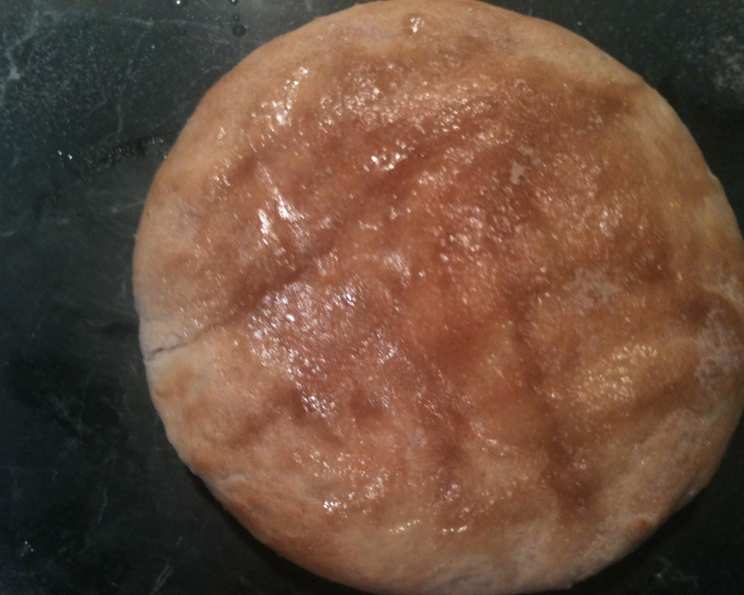
Oma’s Kuchen: A German Coffee Cake Legacy
The aroma of warm yeast, sweet spices, and melting butter—it’s a time machine straight back to my childhood. My own grandmother, bless her heart, wasn’t much of a baker. But our neighbor, Frau Schmidt, was. Every Sunday, her kitchen window would glow with the promise of fresh-baked Kuchen, and the scent alone was enough to make my stomach rumble. The rich, buttery dough, the hint of lemon, and the crackling cinnamon-sugar topping—it was pure magic. I’ve spent years chasing that memory, and this recipe comes closest to capturing it.
Recipe Overview
- Prep Time: 1 hour (plus rising time)
- Cook Time: 15 minutes
- Total Time: 3 hours 15 minutes (includes rising)
- Yields: 7 cakes
- Serves: 36
- Dietary Type: Not Gluten-Free
Ingredients
First Step – Yeast Mixture
- 2 tablespoons yeast
- 2 cups potato water (or 2 cups warm water)
- 1 cup boiled mashed potatoes
Second Step – Dough Enrichment
- 1 1/2 tablespoons salt
- 2 cups milk (boiled and cooled)
- 1 cup butter, melted
- 11 cups flour
- 1 cup sugar
- 1 teaspoon lemon extract
Fourth Step – Topping
- 1/4 cup butter
- Cinnamon Sugar Mixture (to taste)
Fifth Step – Sauce
- 1 cup sugar
- 1/2 cup milk
- 3 tablespoons butter
Equipment Needed
- Large Mixing Bowl
- Measuring cups and spoons
- 7 Round Cake Pans (or baking pans of your choice)
- Saucepan
Instructions
- Activate the Yeast: In a large mixing bowl, combine the yeast, potato water (or warm water), and mashed potatoes. Ensure your liquid is between 120-130°F (49-54°C) before adding it to the yeast; this is crucial for proper activation. Let this mixture sit for 10 minutes, allowing the yeast to proof.
- Combine the Dough: Add the salt, cooled boiled milk, melted butter, flour, sugar, and lemon extract to the yeast mixture.
- Knead and Rise: Knead the dough until it is smooth and elastic. This may take 5-7 minutes by hand or slightly less with a stand mixer fitted with a dough hook. Place the dough in a greased bowl, turn to coat, cover, and let rise in a warm place until doubled in size. This usually takes about 1-2 hours, depending on the temperature of your environment.
- Divide and Second Rise: Grease your baking pans. Divide the dough evenly among the prepared pans. I prefer to weigh out 16 ounces of dough for each round cake pan to ensure uniformity. Let the dough rise again in the pans until almost doubled. This second rise may take around 30-45 minutes.
- Prepare the Topping: Melt the 1/4 cup of butter.
- Assemble and Bake: Once the cakes have risen, brush the tops with the melted butter. Generously sprinkle with a mixture of cinnamon and sugar before the butter runs down the sides.
- Bake: Bake in a preheated oven at 350°F (175°C) for 15 minutes, or until the cakes are golden brown and cooked through. To check for doneness, insert a toothpick into the center; it should come out clean.
- Prepare the Sauce: While the cakes are baking, make the sauce by combining the sugar, milk, and butter in a saucepan.
- Cook the Sauce: Bring the sauce to a boil over medium heat and cook until it thickens slightly, about the consistency of cream. This should take about 5-7 minutes.
- Glaze and Serve: Immediately upon removing the cakes from the oven, spoon the hot sauce over the hot baked cakes. Sprinkle with more cinnamon and sugar on top.
Expert Tips & Tricks
- Potato Water Secret: Using potato water adds a subtle sweetness and moisture to the dough that enhances its texture. If you don’t have potato water, plain warm water works just fine, but consider adding a tablespoon of potato starch for a similar effect.
- Yeast Temperature is Key: Too hot, and you’ll kill the yeast. Too cold, and it won’t activate. An instant-read thermometer is your best friend here.
- Don’t Over-knead: Over-kneading can result in a tough cake. Knead until the dough is smooth and elastic, but stop there.
- Warm Rise Environment: A warm environment will help the dough rise properly. You can proof the dough in a slightly warm oven (turned off, of course!) or in a warm spot in your kitchen.
- Freezing for Later: These cakes freeze beautifully. Wrap them tightly in plastic wrap and then foil for best results.
Serving & Storage Suggestions
Serve the German Coffee Cake warm, ideally within a few hours of baking, to enjoy its optimal texture and flavor. The warmth enhances the aroma and brings out the richness of the buttery sauce. It’s fantastic with a cup of coffee or tea, making it perfect for breakfast, brunch, or an afternoon treat.
Leftovers can be stored at room temperature for up to 2 days, or in the refrigerator for up to 5 days. To reheat, wrap a slice in foil and warm it in a low oven (around 300°F or 150°C) for about 10-15 minutes, or microwave individual slices for 20-30 seconds. For longer storage, freeze individual slices or whole cakes for up to 2-3 months. Thaw overnight in the refrigerator before reheating.
Nutritional Information
| Nutrient | Amount per Serving | % Daily Value |
|---|---|---|
| Calories | 265.2 kcal | N/A |
| Calories from Fat | N/A | N/A |
| Total Fat | 8.4 g | 12% |
| Saturated Fat | 5.1 g | 25% |
| Cholesterol | 22 mg | 7% |
| Sodium | 382.6 mg | 15% |
| Total Carbohydrate | 42.4 g | 14% |
| Dietary Fiber | 1.3 g | 5% |
| Sugars | 11.3 g | N/A |
| Protein | 5 g | 9% |
Note: Nutritional information is an estimate and may vary based on specific ingredients and portion sizes.
Variations & Substitutions
- Fruit Filling: Add a layer of sliced apples, peaches, or berries on top of the dough before baking for a fruity twist.
- Nutty Topping: Sprinkle chopped nuts (almonds, pecans, or walnuts) along with the cinnamon sugar for added texture and flavor.
- Spice it Up: Add a pinch of cardamom or nutmeg to the dough for a warmer, more complex flavor profile.
- Dairy-Free Option: Substitute the milk with your favorite plant-based milk (almond, soy, or oat milk) and use a dairy-free butter alternative.
- Gluten-Free: This recipe is not easily adapted to be gluten-free due to the high amount of gluten needed for the dough structure. It is not recommended.
FAQs (Frequently Asked Questions)
Q: Can I use active dry yeast instead of instant yeast?
A: Yes, but you may need to proof the yeast slightly longer to ensure it’s active. Dissolve the active dry yeast in warm water with a pinch of sugar and let it sit for 5-10 minutes until foamy before adding it to the other ingredients.
Q: What if I don’t have potato water?
A: Warm water works just fine! Potato water adds a slight sweetness, but it’s not essential. You can also add a tablespoon of potato starch to the warm water for a similar effect.
Q: Can I make the dough ahead of time?
A: Yes, you can prepare the dough the night before and let it rise slowly in the refrigerator. This will develop a richer flavor. Just punch down the dough in the morning and proceed with the recipe.
Q: My cakes are browning too quickly. What should I do?
A: Tent the cakes with foil during the last few minutes of baking to prevent them from browning too much.
Q: How do I know when the sauce is thick enough?
A: The sauce should coat the back of a spoon and have a slightly thickened consistency, similar to heavy cream. It will thicken further as it cools slightly.
Final Thoughts
This German Coffee Cake is more than just a recipe; it’s a connection to the past, a taste of tradition, and a celebration of simple pleasures. The process may seem lengthy, but the reward is well worth the effort. Gather your ingredients, roll up your sleeves, and let the aroma of warm Kuchen fill your home. I hope this recipe brings you as much joy as it has brought my family for generations. Share your creations and let me know what you think!