
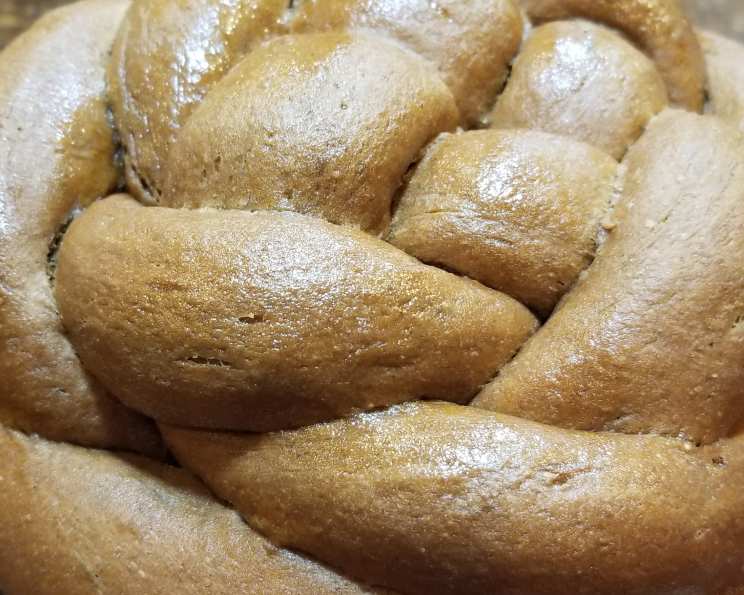
The Soul of Schwarzbrot: Baking Authentic German Dark Rye Bread
The scent of dark rye bread baking is more than just an aroma; it’s a memory etched deep in my childhood. I remember visiting my Oma in her cozy kitchen, the air thick with the tangy-sweet smell of molasses and caraway. Her hands, gnarled with age and experience, would expertly knead the dough, a rhythmic dance passed down through generations. That simple loaf, sliced thick and slathered with butter, was a taste of home, a connection to my heritage, and a reminder of the love baked into every bite. Now, I’m thrilled to share that heartwarming experience with you.
Recipe Overview
- Prep Time: 90 minutes (includes rising time)
- Cook Time: 25-30 minutes
- Total Time: 1 hour 55 minutes
- Yield: 2 loaves
- Dietary Type: Vegetarian (easily adaptable to vegan – see variations)
Ingredients
- 3 cups all-purpose flour
- 1/4 cup unsweetened cocoa powder
- 2 (1/4 ounce) packages active dry yeast
- 1 tablespoon caraway seed
- 1 tablespoon salt
- 1/3 cup molasses
- 2 tablespoons butter (or vegan butter substitute for a vegan version)
- 1 tablespoon sugar
- 3 1/2 cups rye flour
- Cooking oil (for greasing)
- 2 cups water
Equipment Needed
- Large bowl
- Electric mixer
- Measuring cups and spoons
- Lightly floured surface
- Greased baking sheets
- Sharp knife
- Cooling racks
Instructions
-
In a large bowl, combine the all-purpose flour, unsweetened cocoa powder, active dry yeast, caraway seed, and salt. Whisk these dry ingredients together to ensure even distribution. The cocoa powder may seem unusual, but it contributes to the bread’s rich, dark color and deep flavor, complementing the rye beautifully.
-
In a separate, microwave-safe bowl or small saucepan, heat and stir the molasses, butter, sugar, water, and 2 tablespoons of cooking oil until the butter is melted and the mixture is warm (about 110°-115°F). Use a thermometer to ensure the mixture isn’t too hot, as this can kill the yeast. The warmth is essential for activating the yeast and creating a light, airy crumb.
-
Add the warm liquid mixture to the dry ingredients in the large bowl.
-
Using an electric mixer, beat the mixture at low speed for 30 seconds, scraping down the sides of the bowl to ensure everything is incorporated. This initial mix helps to hydrate the flour and begin gluten development.
-
Increase the mixer speed to high and beat for 3 minutes. The dough will become smoother and more elastic as the gluten develops further.
-
Gradually stir in the rye flour by hand until a soft dough forms. Rye flour can be sticky, so add it slowly until the dough pulls away from the sides of the bowl.
-
Turn the dough out onto a lightly floured surface and knead until smooth and elastic, about 5 minutes. Use a gentle but firm pressure, working the dough to develop its structure.
-
Cover the dough with a clean kitchen towel and let it rest for 20 minutes. This rest period allows the gluten to relax, making the dough easier to shape.
-
After the rest, punch down the dough to release any trapped air.
-
Divide the dough in half.
-
Shape each half into a round or oval loaf. Place the loaves on greased baking sheets.
-
Brush the tops of the loaves with a small amount of cooking oil. This will help create a beautiful, shiny crust.
-
Using a sharp knife or lame, slash the tops of the loaves with a few shallow cuts. This allows the bread to expand during baking and prevents cracking.
-
Cover the loaves with a clean kitchen towel and let them rise in a warm place until doubled in size, about 45-60 minutes. A humid environment, like a slightly warmed oven, will help the dough rise effectively.
-
Preheat your oven to 400 degrees F (200 degrees C).
-
Bake the loaves at 400 degrees F (200 degrees C) for 25-30 minutes, or until the crust is deep brown and the internal temperature reaches 200-210 degrees F (93-99 degrees C). If the crust is browning too quickly, loosely tent the loaves with foil during the last 10 minutes of baking.
-
Remove the loaves from the baking sheets and place them on cooling racks to cool completely before slicing. Allow the bread to cool thoroughly to prevent a gummy texture.
-
(Marbled Rye Variation): If using this recipe to make a light/dark “marbled” rye loaf, knead both the light and dark doughs separately for about 3 minutes or so, then combine the light and dark doughs and knead them together for another minute or so (to produce the marbled effect). Proceed with the recipe as stated.
Expert Tips & Tricks
- Temperature is Key: Ensuring the water-molasses mixture is between 110-115°F is crucial for yeast activation. Too hot, and you’ll kill the yeast; too cold, and it won’t activate properly.
- Rye Flour Considerations: Rye flour lacks gluten, so don’t expect the dough to become as elastic as a wheat-based dough. The combination with all-purpose flour provides structure, but the dough will still be slightly sticky.
- Baking Stone Boost: Baking the bread on a preheated baking stone or pizza stone can improve the crust’s texture and crispness. Place the stone in the oven while it preheats.
- Steam for a Crisp Crust: Introducing steam into the oven during the first 10 minutes of baking helps create a beautiful, glossy crust. You can do this by placing a pan of hot water on the bottom rack of the oven.
- Test for Doneness: The bread is done when it sounds hollow when tapped on the bottom. Use a thermometer to ensure it reaches the proper internal temperature.
Serving & Storage Suggestions
Serve this hearty dark rye bread sliced thick, accompanied by your favorite spreads or savory toppings. It pairs perfectly with:
- Cream cheese and smoked salmon
- Deli meats and mustard
- Avocado and a sprinkle of sea salt
- Hearty soups and stews
Store the cooled bread in an airtight container at room temperature for up to 3 days or in the refrigerator for up to a week. For longer storage, wrap the loaf tightly in plastic wrap and freeze for up to 3 months. To reheat, thaw the bread completely and warm it in a 350°F (175°C) oven for 10-15 minutes, or until heated through. A light toasting also revives the flavor and texture.
Nutritional Information
| Nutrient | Amount per Serving (approx. 1 slice) | % Daily Value |
|---|---|---|
| Calories | 1653.1 kcal (per whole loaf) | N/A |
| Calories from Fat | Calories from Fat | N/A |
| Total Fat | 18.6 g (per whole loaf) | 28% |
| Saturated Fat | 8.9 g (per whole loaf) | 44% |
| Cholesterol | 30.5 mg (per whole loaf) | 10% |
| Sodium | 3631.3 mg (per whole loaf) | 151% |
| Total Carbohydrate | 336.8 g (per whole loaf) | 112% |
| Dietary Fiber | 32.9 g (per whole loaf) | 131% |
| Sugars | 40.1 g (per whole loaf) | 160% |
| Protein | 44.5 g (per whole loaf) | 89% |
Note: Nutritional information is an estimate and may vary based on specific ingredients and portion sizes. Data is per loaf, divide by number of intended slices for approximate per serving nutrition.
Variations & Substitutions
- Vegan Dark Rye: Substitute the butter with vegan butter or coconut oil. Ensure your molasses and sugar are processed without bone char to keep it 100% vegan.
- Spicier Rye: Add a pinch of ground cloves or allspice to the dry ingredients for a warm, aromatic twist.
- Seed Explosion: Incorporate other seeds, such as sunflower seeds, flax seeds, or pumpkin seeds, into the dough for added texture and nutrition.
- Sweeter Rye: Increase the amount of molasses or sugar slightly for a sweeter bread.
- Gluten-Free Rye (Experiment): While a true gluten-free rye is challenging due to the lack of gluten in rye flour itself, you can experiment with a blend of gluten-free flours, such as brown rice flour, tapioca starch, and potato starch, along with a binder like xanthan gum. Be prepared for a denser, less airy texture.
FAQs (Frequently Asked Questions):
Q: Why is cocoa powder used in rye bread?
A: The cocoa powder isn’t there to make the bread chocolatey, but rather to enhance its dark color and add a subtle depth of flavor that complements the rye.
Q: Can I use instant yeast instead of active dry yeast?
A: Yes, you can substitute instant yeast. Simply add it directly to the dry ingredients without proofing.
Q: The dough is very sticky. Is this normal?
A: Yes, rye dough tends to be stickier than wheat dough due to the lower gluten content of rye flour. Don’t be tempted to add too much flour, as this can result in a dry, dense bread.
Q: How do I know when the bread is fully baked?
A: The best way to check for doneness is to use a thermometer. The internal temperature should be between 200-210°F (93-99°C). You can also tap on the bottom of the loaf; it should sound hollow.
Q: Can I freeze the bread?
A: Yes, this bread freezes very well. Allow it to cool completely, then wrap it tightly in plastic wrap and foil before freezing. Thaw completely before serving.
Final Thoughts
Baking this German dark rye bread is more than just following a recipe; it’s an experience, a connection to tradition, and a way to bring a piece of my Oma’s kitchen into your own. The rich, complex flavors and satisfyingly dense texture make it a truly special bread. I encourage you to give it a try, experiment with the variations, and share your creations with friends and family. Pair it with a robust cheese or a hearty soup, and savor the taste of history in every bite.