
German Marble Cake: A Swirl of Nostalgia
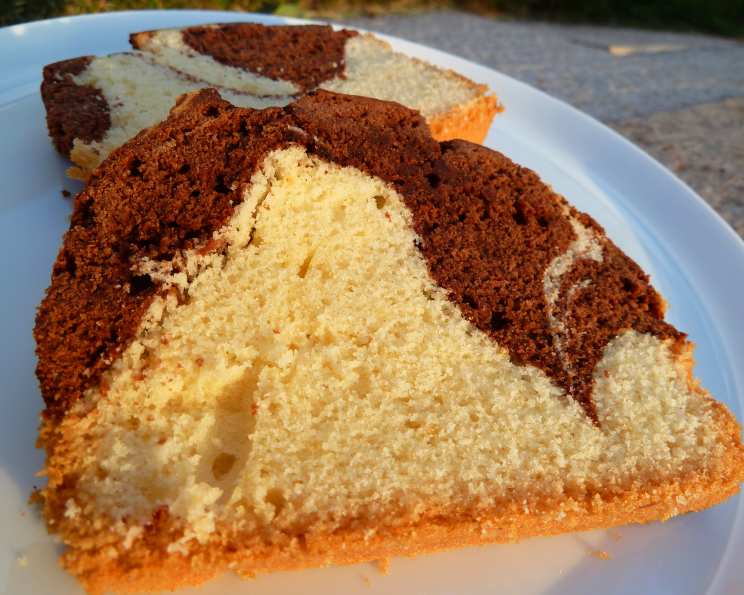
The scent of warm butter, sugar, and melting chocolate… it instantly transports me back to my Oma’s cozy kitchen. Her Marmorierter Kuchen, or German Marble Cake, wasn’t just a dessert; it was a symbol of family gatherings, laughter, and the comforting predictability of tradition. I remember being mesmerized as a child, watching her swirl the light and dark batters together, creating a beautiful, unpredictable pattern that somehow always resulted in the perfect slice of cake. This recipe is my attempt to capture that magic, to recreate not just the taste, but the feeling of home.
Recipe Overview
- Prep Time: 20 minutes
- Cook Time: 60 minutes
- Total Time: 1 hour 20 minutes
- Servings: 8
- Yield: 1 cake
- Dietary Type: Not specified
Ingredients
- 1 cup butter (or margarine)
- 1 cup sugar
- 3 eggs
- 3 cups flour
- 1 teaspoon baking powder
- 1 tablespoon lemon juice
- 200g (approximately 1 cup) chocolate
Equipment Needed
- Mixing Bowls
- Electric Mixer (handheld or stand mixer)
- Greased and Floured Cake Pan (9-inch springform or 13×9 inch pan recommended)
- Melting Pan or Microwave-Safe Bowl
- Fork
Instructions
- Begin by preheating your oven to 350°F (175°C). Make sure your oven rack is positioned in the center.
- In a large mixing bowl, cream together the butter (or margarine) and sugar until the mixture is light and fluffy. This step is crucial for achieving a tender cake, so take your time and ensure the ingredients are well-combined.
- In a separate bowl, lightly beat the eggs until frothy. Gradually add the beaten eggs to the creamed butter and sugar mixture, mixing gently until just combined. Be careful not to overmix at this stage, as it can result in a tough cake.
- In another bowl, whisk together the flour and baking powder. Gradually add this dry mixture to the wet ingredients, alternating with the lemon juice, mixing until just combined. Again, avoid overmixing. The lemon juice helps to activate the baking powder and adds a subtle tang to the cake.
- Divide the batter into two portions, keeping approximately 2/3 of the batter in the mixing bowl.
- Melt the chocolate. You can do this in a double boiler over simmering water or in the microwave in short intervals, stirring in between, to prevent burning. If the chocolate is too thick after melting, add a tablespoon of cream (or milk) to thin it out to a pourable consistency.
- Add the melted chocolate to the remaining 1/3 of the batter, mixing until well combined. This will create the dark chocolate batter for the marble effect.
- Prepare your cake pan by greasing it thoroughly with butter or cooking spray and then dusting it with flour. This will prevent the cake from sticking to the pan. Alternatively, you can line the bottom of the pan with parchment paper.
- Spoon dollops of the plain batter and the chocolate batter alternately into the prepared cake pan.
- Using a fork or a knife, gently swirl the batters together to create a marbled pattern. Be careful not to overmix, as this will muddy the colors and result in a less defined marble effect.
- Bake in the preheated oven for 60 minutes, or until a wooden skewer inserted into the center comes out clean. If the top of the cake starts to brown too quickly, you can loosely cover it with aluminum foil during the last 15-20 minutes of baking.
- Once baked, remove the cake from the oven and let it cool in the pan for 10-15 minutes before inverting it onto a wire rack to cool completely.
Expert Tips & Tricks
- For an extra moist cake, you can add a tablespoon of sour cream or yogurt to the batter.
- If you don’t have lemon juice on hand, you can substitute it with the same amount of white vinegar.
- To prevent the cake from sinking in the center, ensure that the oven temperature is accurate and avoid opening the oven door frequently during baking.
- If using a springform pan, be sure to wrap the bottom of the pan with aluminum foil to prevent any batter from leaking out during baking.
- For a richer chocolate flavor, use dark chocolate with a higher cocoa content.
- Make sure all ingredients are at room temperature for optimal mixing and a smooth batter. This is especially important for the butter and eggs. Taking the time to soften the butter properly will make a significant difference in the final texture of the cake.
Serving & Storage Suggestions
German Marble Cake is delicious served on its own, dusted with powdered sugar, or with a dollop of whipped cream or a scoop of vanilla ice cream. It pairs wonderfully with a cup of coffee or tea.
To store, wrap the cooled cake tightly in plastic wrap or place it in an airtight container. It will keep at room temperature for 2-3 days or in the refrigerator for up to a week. For longer storage, you can freeze the cake for up to 2-3 months. Thaw it overnight in the refrigerator before serving.
Nutritional Information
| Nutrient | Amount per Serving | % Daily Value |
|---|---|---|
| Calories | 623.6 kcal | N/A |
| Calories from Fat | 345 g | 55% |
| Total Fat | 38.3 g | 58% |
| Saturated Fat | 23.3 g | 116% |
| Cholesterol | 130.8 mg | 43% |
| Sodium | 281.8 mg | 11% |
| Total Carbohydrate | 68.7 g | 22% |
| Dietary Fiber | 5.4 g | 21% |
| Sugars | 25.4 g | 101% |
| Protein | 10.7 g | 21% |
Note: Nutritional information is an estimate and may vary based on specific ingredients and portion sizes.
Variations & Substitutions
- Spice it up: Add a teaspoon of cinnamon or nutmeg to the flour mixture for a warmer, more festive flavor.
- Citrus Zest: Grate the zest of an orange or lemon into the plain batter for a bright, aromatic twist.
- Nutty Delight: Incorporate chopped nuts, such as walnuts or pecans, into either the plain or chocolate batter for added texture and flavor.
- Coffee Infusion: Add a tablespoon of strong brewed coffee to the chocolate batter to enhance the chocolate flavor.
- Gluten-Free: Substitute the all-purpose flour with a gluten-free blend for a gluten-free version of the cake. You may need to add a binder like xanthan gum to help with the structure.
- Vegan Version: Replace butter with a vegan butter substitute, eggs with applesauce or flax eggs, and use dairy-free chocolate.
FAQs (Frequently Asked Questions)
Q: Why is my cake dry?
A: Overbaking is the most common cause of a dry cake. Make sure to check for doneness with a skewer and avoid overbaking. Also, ensure that your oven temperature is accurate.
Q: My chocolate batter is too thick. What should I do?
A: Add a tablespoon of cream, milk, or even hot water to the melted chocolate to thin it out to a pourable consistency.
Q: Can I use a different type of chocolate?
A: Yes, you can use milk chocolate, semi-sweet chocolate, or dark chocolate, depending on your preference. Keep in mind that the sweetness level will vary depending on the type of chocolate you choose.
Q: How do I prevent the cake from sticking to the pan?
A: Grease the pan thoroughly with butter or cooking spray and then dust it with flour. Alternatively, line the bottom of the pan with parchment paper.
Q: Can I make this cake ahead of time?
A: Yes, you can bake the cake a day or two in advance. Wrap it tightly in plastic wrap and store it at room temperature or in the refrigerator.
Final Thoughts
This German Marble Cake is more than just a recipe; it’s a piece of history, a slice of comfort, and a reminder of cherished memories. Don’t be intimidated by the marbling technique—it’s easier than it looks and adds a touch of artistry to your baking. I encourage you to give this recipe a try and share it with your loved ones. Pair it with a warm beverage and enjoy the simple pleasures of life. And please, share your baking adventures with me! I’d love to hear how your Marble Cake turns out. Guten Appetit!