
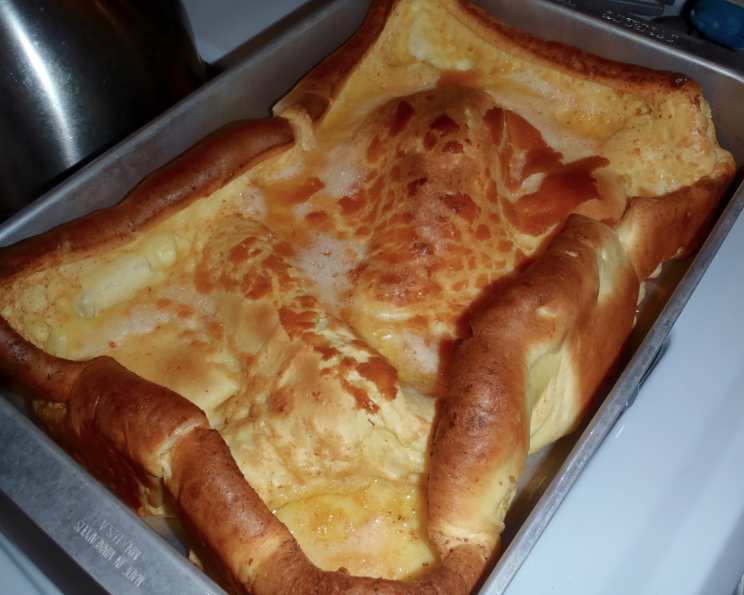
The Joy of German Pancake: A Culinary Embrace
My grandmother, Oma Elsa, had a way of making even the simplest breakfasts feel like a celebration. Her German Pancake, or Dutch Baby as she sometimes playfully called it, was legendary. I remember the anticipation as she slid the bubbling, buttery pan into the oven, the sweet aroma of vanilla and cooked milk filling the kitchen. We’d gather around the table, mesmerized as it puffed and browned, eager to devour the slightly crisp edges and custardy center, always topped with a generous dusting of powdered sugar and a squeeze of fresh lemon – pure comfort on a plate. This recipe, passed down through generations, brings back those cherished memories with every bite.
Recipe Overview
- Prep Time: 5 minutes
- Cook Time: 25 minutes
- Total Time: 30 minutes
- Servings: 4
- Dietary Type: Not Gluten-Free
Ingredients
- 1 cup milk
- 6 eggs
- 1 cup flour
- 1/4 teaspoon salt
- 6 tablespoons butter
- powdered sugar (optional)
- lemon juice (optional)
- melted butter (optional)
- applesauce (optional)
- 1 dash cinnamon (optional)
- crushed pineapple (optional)
- whipped cream (optional)
- fresh strawberries (optional)
Equipment Needed
- 9×13 inch baking pan
- Hand beater or whisk
- Oven
Instructions
-
Preheat your oven to 450°F (232°C). It’s crucial to have a fully preheated oven to ensure the pancake rises properly.
-
In a mixing bowl, combine the milk, eggs, flour, and salt. Use a hand beater or whisk to mix until smooth. It’s important to get rid of any lumps to have a light and airy pancake. Avoid overmixing the batter. A few small lumps are okay.
-
Place the butter in the 9×13 inch baking pan. Slide the pan into the preheating oven. Allow the butter to melt completely and become hot and sizzling. This step is vital. The hot butter creates a crisp, golden-brown crust as the pancake bakes. Watch closely so the butter does not burn.
-
Carefully remove the hot pan from the oven. Pour the batter evenly into the pan with the melted, sizzling butter.
-
Immediately return the pan to the oven and bake for 25 minutes, or until the pancake is puffed up and beautifully browned. Be sure to use the lowest available oven rack as it sometimes grows quite tall while baking. Avoid opening the oven door during baking, as this can cause the pancake to deflate. The baking time given may be just a little long, so watch it closely as it gets close to being done.
-
Remove from the oven and serve immediately. This pancake is best enjoyed hot from the oven when it is at its peak.
-
Top with your favorite accompaniments. Some popular choices include powdered sugar, lemon juice, melted butter, fresh applesauce with a dash of cinnamon, crushed pineapple, whipped cream, or fresh strawberries.
Expert Tips & Tricks
- Temperature is Key: Don’t skimp on preheating the oven or heating the butter. These steps are essential for achieving the signature puff and crispy edges.
- Batter Consistency: A slightly lumpy batter is preferable to an overmixed one. Overmixing can develop the gluten in the flour, resulting in a tougher pancake.
- Flavor Infusion: Consider adding a teaspoon of vanilla extract or almond extract to the batter for an extra layer of flavor.
- Pan Size Matters: While a 9×13 inch pan is recommended, you can use a cast-iron skillet for a slightly different texture. A smaller pan will result in a thicker pancake.
- Watchful Eye: Keep an eye on the pancake during the last few minutes of baking to prevent burning. Ovens can vary, so adjust baking time as needed.
- Prevent Deflation: While a slight deflation is normal as the pancake cools, you can minimize it by serving it immediately and avoiding opening the oven door during baking.
- Extra Puff: For an even higher rise, you can separate the eggs, whip the whites to stiff peaks, and gently fold them into the batter just before baking.
Serving & Storage Suggestions
German Pancake is best served immediately while it’s still warm and puffed. It’s a showstopper that’s sure to impress. The pancake is typically enjoyed as a breakfast or brunch item, but it can also be served as a dessert.
Leftovers can be stored in the refrigerator for up to 2 days. However, the texture will change as it cools and deflates. To reheat, you can warm it in a low oven (around 300°F or 150°C) for a few minutes, but it won’t regain its original puffiness. It can be frozen, however, the texture will be very different when thawed.
Nutritional Information
| Nutrient | Amount per Serving | % Daily Value |
|---|---|---|
| Calories | 413 kcal | N/A |
| Calories from Fat | 242 kcal | 59% |
| Total Fat | 26.9g | 41% |
| Saturated Fat | 14.7g | 73% |
| Cholesterol | 333.3mg | 111% |
| Sodium | 434.4mg | 18% |
| Total Carbohydrate | 27.2g | 9% |
| Dietary Fiber | 0.8g | 3% |
| Sugars | 0.4g | 1% |
| Protein | 14.8g | 29% |
Note: Nutritional information is an estimate and may vary based on specific ingredients and serving sizes.
Variations & Substitutions
- Gluten-Free German Pancake: Substitute the all-purpose flour with a gluten-free blend of equal parts rice flour, tapioca starch, and potato starch. You may need to add a binder like xanthan gum to help with the texture.
- Dairy-Free German Pancake: Replace the milk with your favorite dairy-free alternative, such as almond milk, soy milk, or oat milk. Substitute the butter with a dairy-free butter substitute or coconut oil.
- Lemon Ricotta German Pancake: Stir 1/2 cup of ricotta cheese, the zest of one lemon, and a dash of vanilla extract into the batter before baking. This adds a tangy and creamy element.
- Savory German Pancake: Omit the optional toppings and add herbs like thyme, rosemary, or chives to the batter. Serve with sautéed vegetables, crumbled bacon, or a fried egg for a savory twist.
- Seasonal Fruit German Pancake: Top with seasonal fruits like peaches, blueberries, raspberries, or apples that have been lightly sautéed with butter and sugar.
- Chocolate German Pancake: Add 2 tablespoons of cocoa powder and 2 tablespoons of sugar to the batter for a chocolatey treat. Top with chocolate sauce or whipped cream.
FAQs (Frequently Asked Questions)
Q: Why didn’t my German Pancake puff up?
A: Several factors can contribute to a flat pancake. Make sure your oven is fully preheated, the butter is sizzling hot before adding the batter, and avoid opening the oven door during baking. Also, ensure your baking powder is fresh and active.
Q: Can I make the batter ahead of time?
A: It’s best to bake the German Pancake immediately after mixing the batter. Letting it sit can cause the flour to absorb too much liquid, resulting in a denser pancake.
Q: How do I prevent the pancake from burning on the bottom?
A: Using the lowest oven rack helps to distribute the heat more evenly. You can also place a baking sheet on the rack below the pan to shield it from direct heat.
Q: Can I use a different size pan?
A: Yes, but you may need to adjust the baking time. A smaller pan will result in a thicker pancake that requires a longer baking time, while a larger pan will yield a thinner pancake that cooks faster.
Q: Is it normal for the pancake to deflate after baking?
A: Yes, it’s normal for the German Pancake to deflate slightly as it cools. However, serving it immediately helps to minimize deflation.
Final Thoughts
The German Pancake, with its simple ingredients and impressive presentation, is a dish that’s sure to bring joy to any gathering. It’s a reminder that the best meals are often the ones shared with loved ones, filled with laughter and cherished memories. So, preheat your oven, gather your ingredients, and prepare to experience the magic of this classic breakfast treat. Don’t hesitate to experiment with different toppings and variations to create your own signature version. And most importantly, share your culinary creation with those you care about – the joy of cooking is always best when it’s shared.