
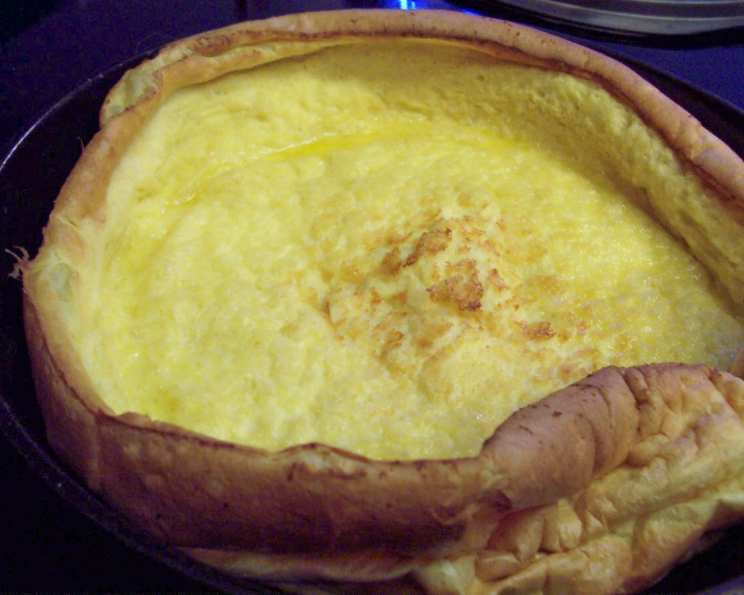
German Pancake (Woman’s Day): A Culinary Embrace from My Childhood
The aroma alone transports me back to my grandmother’s sunny kitchen. Sunlight streamed through the window, illuminating the dancing dust motes as she pulled a puffy, golden wonder from her ancient oven. This wasn’t just breakfast; it was a love letter written in flour, eggs, and butter. Her German Pancake, a recipe clipped from Woman’s Day magazine years ago, was the centerpiece of every special occasion, a comforting and slightly chewy delight that promised warmth and happiness with every bite. Today, I share her cherished recipe, hoping it brings the same joy to your table.
Recipe Overview
- Prep Time: 10 minutes
- Cook Time: 15 minutes
- Total Time: 25 minutes
- Servings: 4
- Dietary Type: Not specified
Ingredients
- 1/2 cup flour
- 1 tablespoon granulated sugar
- 1/2 teaspoon vanilla
- 1/2 teaspoon grated lemon zest
- 1/4 teaspoon salt
- 4 large eggs
- 1/2 cup low-fat milk
- 2 tablespoons butter
Equipment Needed
- 9- to 10-inch cast-iron skillet
- Mixing bowls
- Whisk
- Oven
Instructions
-
Preheat your oven to 425°F (220°C). It’s crucial that the oven is fully heated before you begin baking for the pancake to puff up properly.
-
In a medium-sized bowl, whisk together the flour and granulated sugar. Ensure there are no lumps in the flour for a smooth batter.
-
In a separate bowl, whisk together the eggs, milk, vanilla, lemon zest, and salt. This wet mixture will later be combined with the dry ingredients. The lemon zest adds a subtle brightness that complements the richness of the pancake.
-
Gradually combine the dry ingredients with the wet ingredients, whisking until just well-blended. Avoid overmixing, as this can develop the gluten in the flour and result in a tougher pancake. A few small lumps are perfectly fine.
-
Place a 9- to 10-inch cast-iron skillet over medium heat on the stovetop. The cast iron will distribute heat evenly, ensuring a beautifully browned pancake.
-
Add the butter to the skillet and allow it to melt completely. Swirl the butter around to coat the entire bottom and sides of the skillet. This step is essential for preventing the pancake from sticking and adding a rich, buttery flavor.
-
Carefully pour the batter into the hot, buttered skillet. The batter should sizzle slightly as it hits the pan.
-
Transfer the skillet to the preheated oven and bake for 12-15 minutes, or until the pancake is puffed and golden brown. Keep a close watch on the pancake during the last few minutes of baking to prevent it from burning. The pancake should rise dramatically and develop a beautiful golden color.
-
Remove the skillet from the oven and let the pancake cool slightly before serving. Be careful, as the skillet will be very hot.
-
Serving ideas: Dust with confectioner’s sugar, squeeze fresh lemon juice over the top, serve with raspberry or blackberry preserves, or drizzle with honey butter. The possibilities are endless!
Expert Tips & Tricks
- Don’t open the oven door! Resist the urge to peek while the pancake is baking. Opening the oven door can cause the pancake to deflate.
- Room temperature ingredients: Using room temperature eggs and milk will help the batter come together more smoothly and evenly.
- Lemon Zest Upgrade: For an even more pronounced lemon flavor, try using a microplane to finely grate the lemon zest. This releases the oils more effectively.
- Skillet Alternatives: While a cast-iron skillet is ideal, you can use an oven-safe non-stick skillet. Just be sure it’s heat-resistant to 425°F.
- Preventing Sticking: Ensure the skillet is properly seasoned or well-greased to prevent the pancake from sticking.
- Make-Ahead Tip: While best served immediately, you can prepare the batter up to 24 hours in advance. Store it in the refrigerator and whisk gently before pouring into the hot skillet.
Serving & Storage Suggestions
This German Pancake is best enjoyed fresh from the oven, while it’s still warm and puffy. Serve it immediately for the most dramatic presentation and optimal texture.
Leftovers can be stored in an airtight container in the refrigerator for up to 2 days. However, keep in mind that the pancake will deflate and lose some of its crispness upon cooling.
To reheat, you can warm the pancake in a preheated oven at 350°F (175°C) for a few minutes, or microwave it for a short burst. Microwaving will make it softer, while the oven will help restore some of its original texture.
This pancake is not suitable for freezing.
Nutritional Information
| Nutrient | Amount per Serving | % Daily Value |
|---|---|---|
| Calories | 205.9 kcal | N/A |
| Calories from Fat | 98 g | 48% |
| Total Fat | 11 g | 16% |
| Saturated Fat | 5.4 g | 27% |
| Cholesterol | 202.8 mg | 67% |
| Sodium | 280.9 mg | 11% |
| Total Carbohydrate | 17.1 g | 5% |
| Dietary Fiber | 0.5 g | 1% |
| Sugars | 5 g | 20% |
| Protein | 9 g | 17% |
Variations & Substitutions
- Gluten-Free: Substitute the all-purpose flour with a gluten-free blend for a gluten-free version. Be sure to use a blend that contains xanthan gum to help bind the ingredients.
- Dairy-Free: Replace the low-fat milk with a dairy-free alternative such as almond milk, soy milk, or oat milk. Use a dairy-free butter substitute as well.
- Spice it Up: Add a pinch of cinnamon, nutmeg, or cardamom to the batter for a warm, comforting flavor.
- Berry Blast: Incorporate fresh berries such as blueberries, raspberries, or strawberries into the batter or sprinkle them on top after baking.
- Savory Twist: Omit the sugar and vanilla, and add shredded cheese, herbs, and cooked bacon or sausage for a savory version.
FAQs (Frequently Asked Questions)
Q: Why didn’t my pancake puff up?
A: There are several reasons why your pancake might not have puffed up: The oven wasn’t hot enough, you opened the oven door during baking, or the batter was overmixed. Make sure your oven is preheated to the correct temperature, avoid opening the door, and whisk the batter until just combined.
Q: Can I use whole milk instead of low-fat milk?
A: Yes, you can use whole milk. It will result in a slightly richer and more flavorful pancake.
Q: Can I make this recipe in a smaller or larger skillet?
A: Yes, but you may need to adjust the baking time. A smaller skillet will result in a thicker pancake, which may require a longer baking time. A larger skillet will result in a thinner pancake, which may require a shorter baking time.
Q: How can I prevent the pancake from sticking to the skillet?
A: Make sure the skillet is well-seasoned or properly greased with butter. You can also use a non-stick skillet.
Q: Can I add fruit to the batter?
A: Yes, you can add fruit to the batter. Berries, sliced apples, or bananas are all great additions. Add them after the batter has been mixed.
Final Thoughts
This German Pancake recipe, passed down from my grandmother, is more than just a breakfast dish; it’s a symbol of family, love, and simple pleasures. I encourage you to try this recipe and create your own memories around this delightful treat. Experiment with different toppings and variations to find your perfect combination. And most importantly, share it with the people you love. I hope you enjoy this culinary hug from my family to yours!