
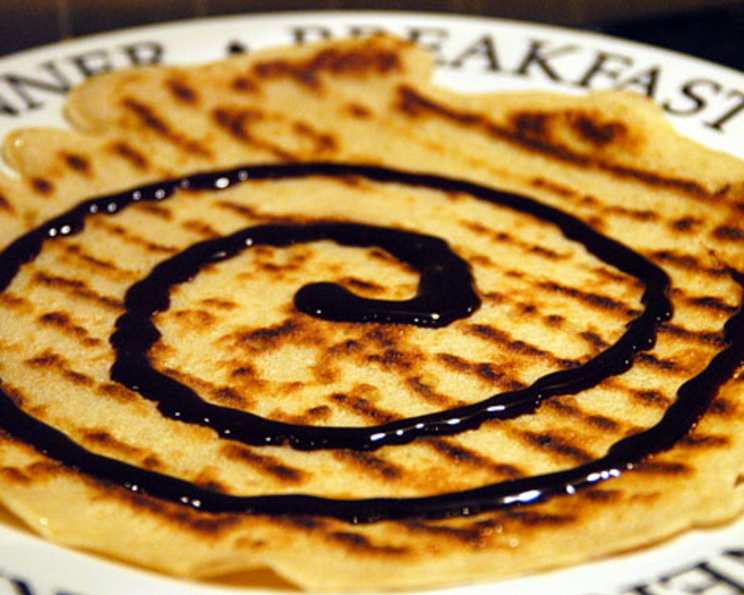
German Pancakes: A Taste of Mennonite Tradition
I can still picture my grandmother, apron dusted with flour, standing over her well-worn cast iron skillet. The scent of these delicate, golden pancakes would fill her small kitchen, a promise of comfort and simple joy. We’d gather around the table, eagerly awaiting our turn to sprinkle them with sugar and roll them up tight, transforming breakfast (or, as it often was in her house, supper!) into a cherished ritual. These aren’t just pancakes; they are a taste of heritage, passed down through generations of Mennonite families.
Recipe Overview
- Prep Time: 5 minutes
- Cook Time: 20 minutes
- Total Time: 25 minutes
- Servings: 8
- Yield: 8 thin pancakes
- Dietary Type: Vegetarian
Ingredients
- 1 1/2 cups flour
- 1/2 teaspoon salt
- 3 eggs
- 1 3/4 cups milk
- Cooking spray (such as Pam)
- Sugar, for sprinkling (optional)
Equipment Needed
- Mixing bowl
- Whisk or electric mixer
- Frying pan
- Spatula
Instructions
- In a mixing bowl, combine the flour and salt.
- Add the eggs and milk.
- Using a whisk or electric mixer, mix all the ingredients together until the batter is smooth and free of lumps. It’s important to get rid of any flour clumps to ensure a light and airy pancake.
- Spray a frying pan with cooking spray. Place the pan over high heat and allow it to heat up until hot. A well-heated pan is crucial for achieving that desirable golden-brown color.
- Once the pan is hot, reduce the heat to medium-low. This prevents the pancakes from burning before they cook through.
- Pour approximately 1/3 cup of batter into the center of the hot pan. Immediately tilt the pan in a circular motion to evenly cover the entire bottom surface with a thin layer of batter. The thinner the batter, the more delicate and crepe-like your pancake will be.
- Cook the pancake until small bubbles begin to form on the surface and the bottom starts to brown, approximately 2-3 minutes. Watch carefully to avoid burning!
- Using a spatula, gently flip the pancake and cook the other side until it is also golden brown, about 1-2 minutes.
- Remove the cooked pancake from the pan and place it on a plate.
- Repeat steps 6-9 with the remaining batter, spraying the pan with cooking spray as needed to prevent sticking.
- Serve immediately, sprinkled with sugar and rolled up, if desired.
Expert Tips & Tricks
- Batter Consistency: The batter should be thin, almost like a crepe batter. If it seems too thick, add a tablespoon or two more of milk until you reach the desired consistency. A thinner batter cooks more evenly and produces a more delicate pancake.
- Pan Temperature is Key: Don’t rush the heating process! A properly heated pan is essential for preventing the pancakes from sticking and ensuring they brown beautifully. Test the pan by flicking a tiny drop of batter into it. If it sizzles immediately, it’s ready.
- Lump-Free Batter: Ensure you completely whisk the batter to eliminate any lumps. A smooth batter leads to a smooth pancake. If you’re struggling with lumps, try using an immersion blender for a few seconds.
- Don’t Overcrowd: Work in batches and avoid overcrowding the pan. Overcrowding lowers the pan’s temperature and can lead to soggy pancakes.
- Keep Warm: If you’re making a large batch, keep the cooked pancakes warm in a preheated oven (200°F or 95°C) while you finish cooking the rest.
- Flavor Infusion: Add a dash of vanilla extract or a pinch of cinnamon to the batter for a subtle flavor boost. Lemon zest can also add a bright, citrusy note.
- Precision Pouring: Use a measuring cup with a spout to pour the batter into the pan. This helps control the amount and ensures even distribution.
Serving & Storage Suggestions
These German pancakes are best served immediately while they are still warm and slightly crisp. The classic Mennonite way to enjoy them is sprinkled with granulated sugar and then rolled up like a little scroll. You can also serve them with:
- Fresh fruit (berries, sliced bananas, peaches)
- Maple syrup
- Jam or preserves
- Whipped cream
- Nutella
Storage: Leftover pancakes can be stored in an airtight container in the refrigerator for up to 2 days.
Reheating: To reheat, you can microwave them for a few seconds, but they will lose some of their crispness. A better method is to reheat them in a dry skillet over medium-low heat for a minute or two per side.
These pancakes are best eaten fresh, but freezing is an option. Place parchment paper between each pancake to prevent sticking. Thaw in the refrigerator overnight and reheat as described above.
Nutritional Information
| Nutrient | Amount per Serving | % Daily Value |
|---|---|---|
| Calories | 146 kcal | N/A |
| Calories from Fat | N/A | 24% |
| Total Fat | 4 g | 6% |
| Saturated Fat | 1.8 g | 9% |
| Cholesterol | 77.2 mg | 25% |
| Sodium | 198.6 mg | 8% |
| Total Carbohydrate | 20.5 g | 6% |
| Dietary Fiber | 0.6 g | 2% |
| Sugars | 0.1 g | 0% |
| Protein | 6.5 g | 13% |
Note: Nutritional information is an estimate and can vary based on specific ingredients and portion sizes.
Variations & Substitutions
- Gluten-Free: Substitute the all-purpose flour with a gluten-free all-purpose flour blend. Be sure to choose a blend that contains xanthan gum for the best texture.
- Dairy-Free: Replace the milk with your favorite non-dairy milk, such as almond milk, soy milk, or oat milk.
- Vegan: To make this recipe vegan, you’ll need to replace the eggs. Try using flax eggs (1 tablespoon of ground flaxseed mixed with 3 tablespoons of water per egg) or a commercial egg replacer.
- Sweetness Level: Adjust the amount of sugar you sprinkle on top to your preference. You can also use a sugar substitute like stevia or erythritol.
- Savory Pancakes: Omit the sugar and add herbs like chives, parsley, or dill to the batter for a savory twist. These are delicious served with sour cream or yogurt.
- Dutch Baby: For a puffier version, pour the batter into a greased oven-safe skillet and bake at 425°F (220°C) for 20-25 minutes, or until puffed and golden brown.
FAQs (Frequently Asked Questions)
Q: Why are these pancakes so thin?
A: German pancakes, unlike American pancakes, are intended to be very thin and crepe-like. This is achieved by using a thin batter and tilting the pan to evenly distribute it.
Q: Can I make the batter ahead of time?
A: While it’s best to cook the pancakes immediately after making the batter, you can prepare the batter up to 30 minutes in advance. Keep it refrigerated until ready to use, and whisk again before cooking.
Q: How do I prevent the pancakes from sticking to the pan?
A: Make sure your pan is properly heated before adding the batter, and use a good quality cooking spray. Reapply the spray as needed between pancakes.
Q: My pancakes are burning before they cook through. What should I do?
A: Lower the heat! Your pan is likely too hot. Reduce the heat to medium-low and continue cooking.
Q: Can I add fruit to the batter?
A: While you can add small berries or chopped fruit to the batter, it’s best to add them to the pan after pouring in the batter. This prevents the fruit from sinking to the bottom of the bowl.
Final Thoughts
These simple German pancakes are more than just a breakfast food; they’re a connection to family, tradition, and the comforting simplicity of home cooking. I encourage you to try this recipe and experience the joy of creating these delicate, golden delights. Whether you sprinkle them with sugar, top them with fruit, or enjoy them plain, I hope they bring as much warmth and happiness to your table as they have to mine. Share your creations and variations – I’d love to hear how you make this Mennonite classic your own!