
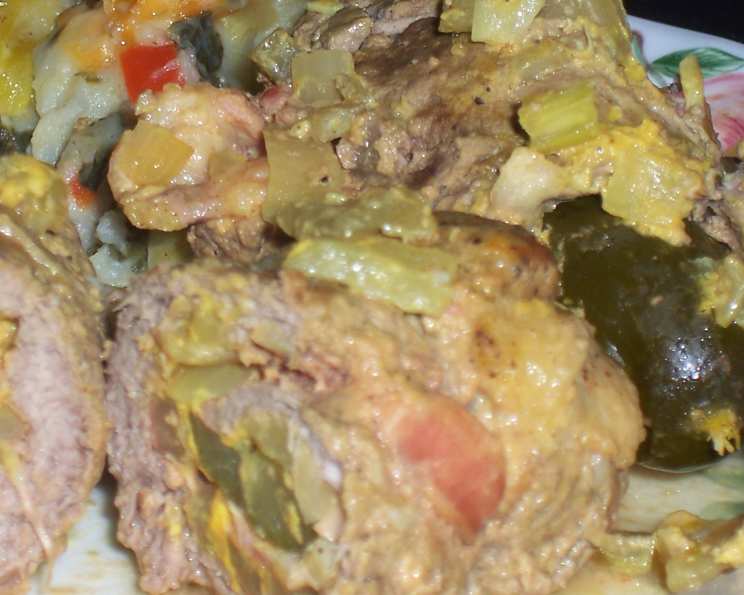
German Rouladen: A Taste of Tradition
The aroma of simmering beef, laced with mustard and the tang of pickles, always transports me back to my grandmother’s kitchen. I remember standing on a stool, barely tall enough to see over the counter, watching her deft hands roll the thin slices of beef around their savory fillings. The rhythmic thud of the meat tenderizer, the sharp scent of onions and bacon sizzling in the pan – these are the sensory hallmarks of Rouladen, a dish that embodies warmth, comfort, and the enduring spirit of German home cooking. More than just a recipe, it’s a tangible link to my heritage, a taste of home I cherish and am thrilled to share.
Recipe Overview
- Prep Time: 30 minutes
- Cook Time: 60 minutes
- Total Time: 1 hour 30 minutes
- Servings: 6
- Yields: 6 Rouladen
- Dietary Type: Varies (can be adapted to be gluten-free)
Ingredients
- 6 thinly sliced tender marinating beef steaks
- 6 tablespoons mustard
- 1 cup onion (diced)
- 1 cup celery (diced)
- 6 slices bacon
- 1/4 teaspoon pepper
- 2 garlic cloves (minced)
- 6 dill pickles
- 12 pieces of 5-inch length kitchen twine
Equipment Needed
- Meat tenderizer
- Mixing bowl
- Frying pan
- Roasting pan
- Cutting board
- Knife
Instructions
-
Preheat your oven to 400°F (200°C).
-
Lay one of the beef steaks down on your counter. Using a meat tenderizer, gently pound the steak until it is approximately 3×6 inches and thinly flattened. Repeat this process for all six steaks. The goal is to create thin, even pieces of meat that will roll easily.
-
Spread 1 tablespoon of mustard evenly over one side of each flattened beef steak. This adds a tangy base flavor to the rouladen.
-
In a mixing bowl, combine the diced onion, diced celery, minced garlic, and pepper. Mix thoroughly to ensure the flavors are well distributed.
-
Evenly distribute the vegetable mixture over the mustard-covered surface of each beef steak.
-
Place one slice of raw bacon on top of the vegetable mixture on each steak. The bacon will render fat and add a smoky richness to the rouladen during cooking.
-
Take one dill pickle and place it on one end of the steak. Roll the steak tightly around the pickle, encasing it completely within the beef.
-
Use the kitchen twine to tie the rouladen securely on both ends. This will hold the filling in place during the cooking process. Make sure the twine is snug, but not so tight that it cuts into the meat.
-
Heat a frying pan over medium-high heat. Place each meat roll in the hot pan and fry for 2 minutes on each side, browning all sides. This searing step adds flavor and helps to seal in the juices.
-
Transfer the browned rouladen to a roasting pan.
-
Bake in the preheated oven for 45 minutes. This allows the rouladen to cook through and the flavors to meld together. A good internal temperature is about 160F.
Expert Tips & Tricks
- Achieving Thin Slices: If you can’t find thinly sliced beef steaks, ask your butcher to slice them for you. Alternatively, you can partially freeze the steaks for about 30 minutes, making them easier to slice thinly yourself with a sharp knife.
- Mustard Selection: While traditional yellow mustard works well, consider using a Dijon mustard for a slightly sharper, more complex flavor.
- Browning is Key: Don’t skip the step of browning the rouladen in the frying pan. This creates a beautiful sear and adds depth of flavor to the final dish. If you like a sauce with your rouladen, deglaze the frying pan with a little beef broth or red wine after searing the meat to scrape up the browned bits and create a flavorful base for a gravy.
- Tying Techniques: Mastering the art of tying rouladen takes practice. If you struggle with kitchen twine, you can use toothpicks to secure the rolls, but remember to remove them before serving!
- Flavor Infusion: For an even more intense flavor, consider marinating the rolled and tied rouladen in a mixture of beef broth, red wine, and spices for a few hours (or even overnight) before baking.
Serving & Storage Suggestions
Serve German Rouladen hot, straight from the oven or pan. They are traditionally accompanied by creamy mashed potatoes, spaetzle (German noodles), red cabbage, or dumplings. The rich gravy created during cooking is perfect for drizzling over the rouladen and side dishes.
Leftover rouladen can be stored in an airtight container in the refrigerator for up to 3-4 days. To reheat, gently warm them in a saucepan over low heat with a little beef broth to prevent them from drying out. Alternatively, you can microwave them on a low setting, but be careful not to overcook them. Rouladen can also be frozen for up to 2-3 months. Thaw them in the refrigerator overnight before reheating.
Nutritional Information
| Nutrient | Amount per Serving | % Daily Value |
|---|---|---|
| Calories | 140.7 kcal | N/A |
| Calories from Fat | 97 g | 69% |
| Total Fat | 10.9 g | 16% |
| Saturated Fat | 3.5 g | 17% |
| Cholesterol | 15.4 mg | 5% |
| Sodium | 1204.6 mg | 50% |
| Total Carbohydrate | 7.6 g | 2% |
| Dietary Fiber | 1.9 g | 7% |
| Sugars | 4.2 g | 16% |
| Protein | 4.1 g | 8% |
Note: Nutritional information is an estimate and may vary based on specific ingredients and preparation methods.
Variations & Substitutions
- Gluten-Free Rouladen: To make this dish gluten-free, ensure your mustard is gluten-free and omit the bacon. You may substitute it with gluten-free bacon, or another cured meat.
- Vegetarian Rouladen: While not traditional, a vegetarian version can be made by using thick slices of eggplant or firm tofu instead of beef. Marinate the eggplant or tofu in a flavorful broth before rolling. Use vegetarian bacon slices or substitute with smoked paprika to provide a smoky flavor.
- Pickle Variations: Experiment with different types of pickles, such as cornichons or spicy dill pickles, to add a unique twist to the flavor profile.
- Filling Variations: Add sauteed mushrooms, caramelized onions, or grated carrots to the filling for added texture and flavor.
FAQs (Frequently Asked Questions)
Q: Can I make Rouladen ahead of time?
A: Yes, you can assemble the rouladen ahead of time and store them in the refrigerator for up to 24 hours before cooking. This allows the flavors to meld together.
Q: How do I keep the rouladen from drying out during baking?
A: To prevent drying, add some beef broth or red wine to the roasting pan before baking. This will create a moist environment and help to keep the rouladen tender.
Q: Can I use a different cut of beef?
A: While thinly sliced beef steaks are ideal, you can use other cuts of beef as long as they are tender and can be pounded thin. Round steak or sirloin tip are good alternatives.
Q: What is the best way to reheat leftover rouladen?
A: The best way to reheat leftover rouladen is in a saucepan over low heat with a little beef broth to prevent them from drying out. You can also microwave them on a low setting, but be careful not to overcook them.
Q: Can I freeze Rouladen?
A: Yes, Rouladen can be frozen for up to 2-3 months. Thaw them in the refrigerator overnight before reheating.
Final Thoughts
German Rouladen is more than just a recipe; it’s a culinary journey steeped in tradition and flavor. Don’t be intimidated by the steps – each one contributes to the incredible taste experience. Gather your ingredients, put on some music, and immerse yourself in the process. The aroma alone will transport you to a cozy German kitchen, and the first bite will be a revelation. I encourage you to try this recipe and share your own variations and experiences. Pair it with a crisp German Riesling or a hearty dark beer for the ultimate taste of Germany. Guten Appetit!