
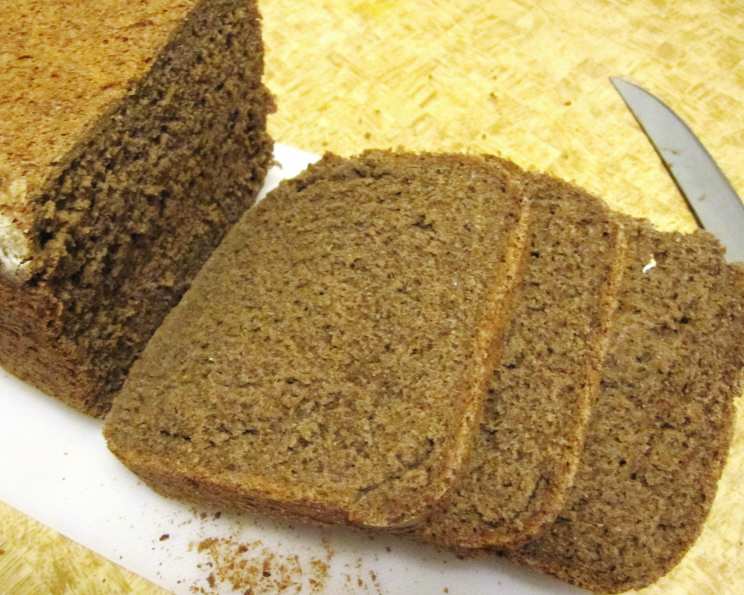
The Soul of the Black Forest: Baking Authentic German Rye Bread at Home
The scent of caraway and molasses, mingling with the earthy aroma of rye, instantly transports me back to Frau Schmidt’s bakery in the small German village where I spent a summer as a young culinary student. Every morning, I would watch her deftly knead the dough, her hands moving with the practiced grace of generations. The loaves that emerged from her wood-fired oven were dark, dense, and deeply satisfying – a true taste of home. This recipe, while adapted for the convenience of a bread machine, aims to capture that same rustic authenticity, bringing the soul of German baking to your kitchen.
Recipe Overview
- Prep Time: 15 minutes
- Cook Time: 3 hours 5 minutes
- Total Time: 3 hours 20 minutes
- Servings: 12
- Yield: 1 loaf
- Dietary Type: Vegetarian
Ingredients
- 1 tablespoon active dry yeast
- 1 tablespoon caraway seed
- 2 1/4 cups bread flour
- 1 1/2 teaspoons salt
- 2 1/2 tablespoons unsweetened cocoa
- 1 1/2 cups rye flour
- 1 1/4 cups warm water
- 1 1/2 tablespoons butter
- 2 1/2 tablespoons molasses
Equipment Needed
- Bread machine
Instructions
-
Add all the ingredients to your bread machine pan in the order recommended by the manufacturer. Most machines prefer liquids first, followed by dry ingredients, and finally the yeast. This order ensures proper mixing and activation of the yeast. So, start by pouring in the warm water, followed by the melted butter and molasses.
-
Next, add the dry ingredients: bread flour, rye flour, cocoa, salt, and caraway seed. Make a small well in the center of the flour and add the yeast. This helps prevent the salt from directly contacting the yeast, which can inhibit its activity.
-
Secure the bread machine pan in the machine, close the lid, and select the appropriate cycle. A whole wheat cycle is ideal for this type of bread, as it provides a longer kneading and rising time, which is necessary for the rye flour to develop its flavor and texture.
-
Press start and let the bread machine do its work! The machine will mix the ingredients, knead the dough, allow it to rise, and finally bake the loaf. The entire process will take approximately 3 hours and 5 minutes.
-
Once the baking cycle is complete, carefully remove the bread machine pan from the machine using oven mitts. Be cautious, as the pan will be hot.
-
Turn the pan upside down and gently shake or tap it to release the loaf. If the loaf doesn’t come out easily, use a heat-resistant spatula to loosen it from the sides of the pan.
-
Place the loaf on a wire rack to cool completely before slicing and serving. This allows the internal moisture to redistribute, resulting in a more even texture and preventing the bread from becoming gummy.
Expert Tips & Tricks
- Bloom the Yeast: If you’re unsure about the freshness of your yeast, bloom it in the warm water with a pinch of sugar before adding it to the bread machine. This will confirm that the yeast is active and ready to leaven the dough.
- Adjust Liquid: Rye flour can vary in its absorbency. If your dough appears too dry or too wet after the initial mixing, adjust the amount of water accordingly, adding it one tablespoon at a time. The dough should be slightly sticky but not overly wet.
- Cocoa Enhancement: Don’t be afraid of the cocoa powder; it doesn’t make the bread taste like chocolate! It deepens the color and adds a subtle earthy note that complements the rye flavor.
- Flavor Infusion: For a more intense caraway flavor, lightly toast the caraway seeds in a dry skillet before adding them to the dough.
- Preheat: If your bread machine allows it, preheating it for 10 minutes before the baking cycle starts can promote a better crust.
- Crust Color: To achieve a darker crust, brush the top of the loaf with a mixture of water and molasses before baking.
- Shaping: Although this recipe is designed for a bread machine, you can also bake it in a traditional oven. After the kneading and first rise in the bread machine, shape the dough into a round or oblong loaf and place it on a baking sheet lined with parchment paper. Let it rise again for 30-45 minutes, then bake in a preheated oven at 375°F (190°C) for 35-40 minutes, or until the internal temperature reaches 200°F (93°C).
Serving & Storage Suggestions
This German rye bread is best enjoyed sliced and served with hearty soups, stews, or charcuterie boards. Its robust flavor pairs particularly well with smoked meats, cheeses, and pickled vegetables. It’s also delicious toasted and topped with butter, jam, or avocado.
To store, wrap the cooled loaf tightly in plastic wrap or place it in an airtight container. It will keep at room temperature for up to 3 days. For longer storage, slice the bread and freeze it in a freezer-safe bag for up to 2 months. To reheat, thaw the slices at room temperature or toast them directly from frozen.
Nutritional Information
| Nutrient | Amount per Serving | % Daily Value |
|---|---|---|
| Calories | 162.3 kcal | N/A |
| Calories from Fat | N/A | 19g / 12% |
| Total Fat | 2.2 g | 3% |
| Saturated Fat | 1.1 g | 5% |
| Cholesterol | 3.8 mg | 1% |
| Sodium | 307.2 mg | 12% |
| Total Carbohydrate | 32 g | 10% |
| Dietary Fiber | 3 g | 11% |
| Sugars | 2.5 g | N/A |
| Protein | 4.6 g | 9% |
Note: Nutritional information is an estimate and may vary based on specific ingredients and portion sizes.
Variations & Substitutions
- Spelt Flour: Substitute up to half of the bread flour with spelt flour for a nuttier flavor.
- Dark Rye: For an even more intense rye flavor, use dark rye flour instead of light rye.
- Sunflower Seeds: Add 1/4 cup of sunflower seeds to the dough for extra texture and nutrients.
- Sour Cream: Replace 1/4 cup of water with sour cream for a softer crumb.
- Beer: Substitute the water with dark beer for a richer, more complex flavor profile.
- Gluten-Free: While a true gluten-free version will be a different recipe entirely, experiment with gluten-free bread flour blends, adding a binder like xanthan gum to help with structure.
FAQs (Frequently Asked Questions)
Q: Why is cocoa powder in rye bread?
A: The cocoa powder doesn’t make the bread taste like chocolate. Instead, it enhances the dark color of the rye and adds a subtle, earthy depth of flavor that complements the caraway and molasses.
Q: Can I make this recipe without a bread machine?
A: Yes! See the “Shaping” tip in the Expert Tips & Tricks section for instructions on baking this recipe in a conventional oven.
Q: How do I know when the bread is done?
A: If using a bread machine, rely on the machine’s timer. If baking in a conventional oven, the bread is done when the internal temperature reaches 200°F (93°C) and the crust is a deep, rich brown.
Q: My bread is too dense. What did I do wrong?
A: Several factors can contribute to dense bread, including using old or inactive yeast, not kneading the dough enough, or using too much flour. Ensure your yeast is fresh, follow the recipe measurements carefully, and allow the dough to rise properly.
Q: Can I reduce the amount of salt?
A: While salt contributes to flavor, it also plays a vital role in gluten development and yeast activity. Reducing the salt too much can affect the texture and rise of the bread. If you need to reduce sodium, start with a small reduction (about 1/4 teaspoon) and see how it affects the final product.
Final Thoughts
This German Rye Bread is more than just a recipe; it’s a connection to tradition, a celebration of simple ingredients, and a reminder of the comforting aromas of a bustling European bakery. I encourage you to try this recipe and experience the rich, satisfying flavors of authentic German baking in your own home. Experiment with the variations, share your creations with loved ones, and don’t be afraid to put your own personal touch on this classic loaf. Guten Appetit!