
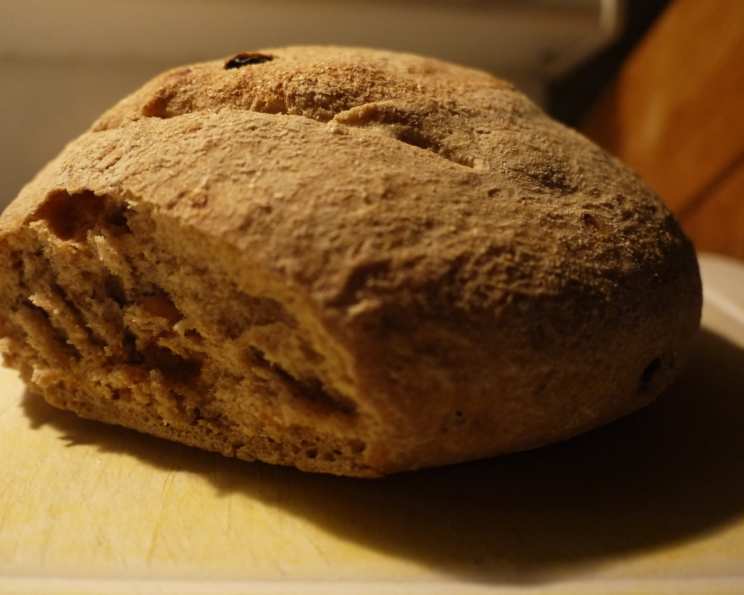
Authentic German Sourdough Bread (No Bread Machine)
The scent of freshly baked bread is a universal comfort, but there’s something truly special about German sourdough. I remember visiting my Oma in the Black Forest every summer as a child. She would wake before dawn to tend to her sourdough starter, the bubbling heart of her kitchen. The aroma that filled her small house as the bread baked in her ancient oven is etched in my memory – a warm, tangy, and profoundly satisfying experience I’ve strived to recreate ever since. This recipe brings that cherished memory a little closer to home.
Recipe Overview
- Prep Time: 24 hours 30 minutes
- Cook Time: 1 hour
- Total Time: 25 hours 30 minutes
- Servings: 15
- Yield: 1 large loaf
- Dietary Type: Vegetarian
Ingredients
For the Sourdough Starter:
- 2 (.25 ounce) packages dry yeast
- 1 cup water
- 1 cup flour (one half can be rye flour)
For the Dough:
- 1 1/2 cups water
- 2 teaspoons salt
- 2 tablespoons oil
- 4 1/2 cups flour (one third can be rye flour)
- Flour, for dusting
Equipment Needed
- Large Mixing Bowls
- Measuring Cups and Spoons
- Baking Sheet
- Sharp Knife or Bread Lame
Instructions
-
Activate the Yeast: In a large mixing bowl, combine the dry yeast with 1 cup of warm water. Ensure the water is lukewarm, not hot, as excessive heat can kill the yeast. Stir gently until the yeast is dissolved.
-
Prepare the Sourdough Starter: Add 1 cup of flour to the yeast mixture. For a more authentic German flavor, you can substitute half of the all-purpose flour with rye flour. Mix well until you have a smooth batter.
-
Ferment the Starter: Cover the bowl with plastic wrap or a clean kitchen towel. Place it in a warm place for 24 hours to allow the starter to ferment. The mixture will bubble and rise, indicating that the yeast is active and the sourdough is developing its characteristic tang.
-
Combine Sourdough with Dough Ingredients: After 24 hours, in a separate large bowl, combine the sourdough starter with 1 1/2 cups of warm water, 2 teaspoons of salt, 2 tablespoons of oil, and 4 1/2 cups of flour. Again, you can substitute about one-third of the all-purpose flour with rye flour for a more robust flavor.
-
Knead the Dough: Knead the dough on a lightly floured surface for about 8-10 minutes until it becomes smooth and elastic. This step is crucial for developing the gluten structure, which gives the bread its texture. If the dough is too sticky, add a little more flour, one tablespoon at a time.
-
First Rise: Place the kneaded dough in a lightly oiled bowl, turning to coat. Cover the bowl with plastic wrap or a clean kitchen towel and let it rise in a warm place for 30 minutes. The dough should increase in size during this time.
-
Shape the Loaf: After the first rise, punch down the dough to release any trapped air. Knead it briefly and shape it into a loaf. You can make a round or oblong loaf, depending on your preference.
-
Second Rise: Place the shaped loaf on a baking sheet lined with parchment paper. Cover it loosely with plastic wrap or a clean kitchen towel and let it rise for another 30 minutes.
-
Score the Loaf: Preheat the oven to 400 degrees Fahrenheit (200 degrees Celsius). Just before baking, use a sharp knife or bread lame to cut 2-3 slits, about 1/4 inch deep, across the top of the loaf. This allows the bread to expand properly during baking and creates a beautiful crust.
-
Bake: Place the baking sheet with the loaf in the preheated oven and bake for 1 hour, or until the bread is golden brown and sounds hollow when tapped on the bottom. If the crust starts to brown too quickly, you can loosely tent it with aluminum foil for the last 15 minutes of baking.
-
Cool: Remove the bread from the oven and let it cool completely on a wire rack before slicing and serving. This is important because slicing the bread while it’s still warm can result in a gummy texture.
Expert Tips & Tricks
- Starter Temperature: The temperature of your starter is key. Ideally, aim for a warm (75-80°F) environment. A slightly cooler temperature will simply slow down the fermentation process.
- Rye Flour Quality: Use high-quality rye flour for the best flavor. Darker rye flours offer a more intense flavor.
- Steam: For an even crispier crust, you can create steam in your oven by placing a pan of hot water on the bottom rack during the first 20 minutes of baking.
- Kneading Technique: Proper kneading develops the gluten, resulting in a chewier texture. If you’re new to kneading, watch a few online tutorials to perfect your technique.
- Doneness Check: The internal temperature of the bread should reach around 200-210°F (93-99°C) when it’s done. Use a digital thermometer to check.
Serving & Storage Suggestions
This German sourdough bread is delicious served warm or at room temperature. It pairs perfectly with soups, stews, cheeses, and cold cuts. It’s also fantastic toasted and topped with butter, jam, or your favorite spreads.
To store, wrap the cooled bread tightly in plastic wrap or a bread bag. It will stay fresh at room temperature for 2-3 days. For longer storage, slice the bread and freeze it in an airtight container for up to 2 months. To reheat frozen bread, thaw it at room temperature or in the microwave, then toast or bake it briefly to restore its crispness.
Nutritional Information
(Note: These values are estimates and can vary based on specific ingredients and portion sizes.)
| Nutrient | Amount per Serving | % Daily Value |
|---|---|---|
| Calories | 185.7 kcal | N/A |
| Calories from Fat | 20 g | N/A |
| Total Fat | 2.3 g | 3% |
| Saturated Fat | 0.3 g | 1% |
| Cholesterol | 0 mg | 0% |
| Sodium | 312.2 mg | 13% |
| Total Carbohydrate | 35.3 g | 11% |
| Dietary Fiber | 1.4 g | 5% |
| Sugars | 0.1 g | 0% |
| Protein | 5.1 g | 10% |
Variations & Substitutions
- Seed Additions: Incorporate sunflower seeds, pumpkin seeds, or flax seeds into the dough for added texture and flavor. Add about 1/2 cup of seeds to the dough during the kneading process.
- Spice Infusion: Add caraway seeds, fennel seeds, or anise seeds to the dough for a traditional German flavor profile. Use about 1-2 teaspoons of seeds per loaf.
- Herbaceous Twist: Mix in fresh rosemary, thyme, or dill for a savory variation. Finely chop the herbs and add them to the dough during kneading.
- Whole Wheat Option: Substitute up to half of the all-purpose flour with whole wheat flour for a nuttier flavor and increased fiber content.
- Dairy-Free: This recipe is already dairy-free.
- Gluten-Reduced: Use a gluten-free all-purpose flour blend. Note the bread will be denser. You may need to adjust the hydration (water amount) depending on the blend.
FAQs (Frequently Asked Questions)
Q: Why does the sourdough starter need 24 hours to ferment?
A: The long fermentation period allows the yeast and bacteria in the starter to develop a complex flavor profile, giving the bread its characteristic tangy taste. It also helps to break down the gluten, making the bread easier to digest.
Q: Can I use instant yeast instead of active dry yeast?
A: Yes, you can use instant yeast. You don’t need to proof it in water first. Just add it directly to the flour.
Q: What if my dough doesn’t rise properly?
A: Several factors can affect rising: the yeast could be old, the temperature might be too cold, or the dough might not have been kneaded enough. Ensure your yeast is fresh, find a warmer spot for rising, and knead the dough thoroughly.
Q: How can I tell if the bread is done baking?
A: The bread is done when it’s golden brown, sounds hollow when tapped on the bottom, and an inserted thermometer reads 200-210°F (93-99°C).
Q: Can I freeze the dough instead of baking it immediately?
A: Yes, you can freeze the dough after the first rise. Punch it down, shape it into a loaf, wrap it tightly in plastic wrap, and freeze for up to 2 months. Thaw it in the refrigerator overnight before letting it rise again and baking.
Final Thoughts
Baking German sourdough bread at home is a rewarding experience that connects you to a rich culinary tradition. Don’t be intimidated by the longer preparation time; the results are well worth the effort. The aroma that fills your kitchen and the taste of that first slice, warm and crusty, will transport you to a cozy German bakery. I encourage you to try this recipe, experiment with different variations, and share your own sourdough stories. Pair it with a hearty lentil soup or a simple cheese plate for a truly satisfying meal! Guten Appetit!