
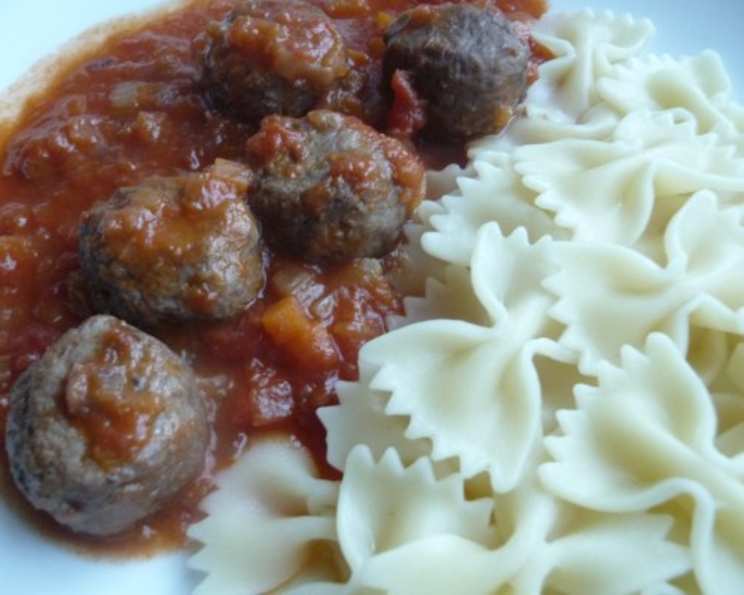
Giada’s Marinara: A Symphony of Simple Flavors
The aroma of simmering marinara is, for me, the essence of home. I remember being a young, aspiring chef, intimidated by the complexity of some sauces, until I discovered the beauty of a well-executed marinara. One lazy Sunday afternoon, I decided to try Giada de Laurentiis’ recipe. As the tomatoes, garlic, and herbs melded together on the stove, the kitchen filled with a comforting fragrance that transported me back to my grandmother’s kitchen. This marinara is more than just a sauce; it’s a vessel for memories, a simple pleasure that elevates any meal. It’s a recipe that I continue to revisit and refine.
Recipe Overview
- Prep Time: 20 minutes
- Cook Time: 1 hour 10 minutes
- Total Time: 1 hour 30 minutes
- Servings: 8
- Yield: About 8 cups
- Dietary Type: Vegan
Ingredients
- ½ cup extra virgin olive oil
- 2 small onions, finely chopped
- 2 garlic cloves, finely chopped
- 2 celery ribs, finely chopped
- 2 carrots, peeled and finely chopped
- ½ teaspoon sea salt, plus more to taste
- ½ teaspoon black pepper, plus more to taste
- 2 (28 ounce) cans crushed tomatoes
- 8 ounces tomato sauce
- 2 dried bay leaves
Equipment Needed
- Large pot or Dutch oven
- Cutting board
- Knife
- Measuring cups and spoons
- Wooden spoon or spatula
Instructions
- Begin by heating the extra virgin olive oil in a large pot or Dutch oven over medium-high heat. The oil should shimmer but not smoke. This initial step is crucial for building the flavor base.
- Add the finely chopped onions and garlic to the heated oil. Sauté the mixture, stirring occasionally, until the onions become translucent and softened, approximately 10 minutes. Be careful not to brown the garlic, as it can become bitter.
- Introduce the finely chopped celery and carrots to the pot. Add ½ teaspoon of sea salt and ½ teaspoon of black pepper. Continue to sauté the vegetables, stirring frequently, until they are all tender, about 10 minutes. This step helps to create a sweet and aromatic foundation for the sauce.
- Pour in the crushed tomatoes and tomato sauce into the pot. Add the bay leaves. Stir to combine all the ingredients thoroughly.
- Bring the sauce to a simmer, then reduce the heat to low. Simmer the sauce uncovered, stirring occasionally, for about 1 hour, or until the sauce has thickened to your desired consistency. The simmering process allows the flavors to meld together and intensifies the sweetness of the tomatoes. The consistency will change as the water evaporates.
- Remove and discard the bay leaves. These have imparted their flavor, but leaving them in can add a bitter edge to the sauce.
- Season the marinara sauce with additional sea salt and black pepper to taste. Remember that the seasoning should enhance the natural flavors of the tomatoes and vegetables.
Expert Tips & Tricks
- Vegetable Prep: Consistent and fine chopping of the vegetables ensures even cooking and a smoother sauce. Using a food processor for the vegetables can save time, but be careful not to over-process them into a puree.
- Tomato Quality: The quality of your tomatoes greatly affects the flavor of the marinara. Look for high-quality, canned crushed tomatoes. San Marzano tomatoes are an excellent choice.
- Simmer Time: Don’t rush the simmering process. Allowing the sauce to simmer gently for at least an hour allows the flavors to fully develop and the sauce to thicken properly. Stirring occasionally prevents sticking and burning.
- Flavor Depth: To enhance the depth of flavor, consider adding a pinch of red pepper flakes for a touch of heat or a teaspoon of dried oregano or basil during the simmering process.
- Sweetness Boost: If the sauce tastes too acidic, add a pinch of sugar or a grated carrot to balance the acidity.
- Make-Ahead Magic: This marinara sauce is perfect for making ahead of time. The flavors actually improve after a day or two in the refrigerator.
- Smooth Texture: For a smoother sauce, use an immersion blender to blend the sauce after simmering. Be careful when blending hot liquids.
Serving & Storage Suggestions
Serve Giada’s marinara sauce over your favorite pasta, such as spaghetti, penne, or linguine. It’s also delicious as a base for pizza, lasagna, or eggplant parmesan. You can also use it as a dipping sauce for mozzarella sticks or garlic bread.
Storage:
- Refrigerator: Allow the sauce to cool completely before storing it in an airtight container in the refrigerator for up to 5 days.
- Freezer: For longer storage, freeze the sauce in freezer-safe containers or zip-top bags for up to 3 months. Thaw it overnight in the refrigerator before reheating.
Reheating:
Reheat the marinara sauce in a saucepan over medium heat, stirring occasionally, until heated through. You can also reheat it in the microwave in a microwave-safe dish.
Nutritional Information
| Nutrient | Amount per Serving | % Daily Value |
|---|---|---|
| Calories | 284 kcal | – |
| Calories from Fat | 146 kcal | – |
| Total Fat | 16 g | 25% |
| Saturated Fat | 2.5 g | 12% |
| Cholesterol | 0 mg | 0% |
| Sodium | 582 mg | 24% |
| Total Carbohydrate | 39 g | 12% |
| Dietary Fiber | 12 g | 46% |
| Sugars | 3 g | – |
| Protein | 6 g | 12% |
Note: Nutritional information is an estimate and may vary based on specific ingredients and preparation methods.
Variations & Substitutions
- Spicy Marinara: Add red pepper flakes to taste during the sautéing stage for a spicy kick.
- Herbaceous Marinara: Incorporate fresh herbs like basil, oregano, or thyme during the last 15 minutes of simmering for a more complex flavor profile.
- Meat Marinara: Brown ground beef, Italian sausage, or other meats before adding the vegetables for a heartier sauce.
- Vegetarian Boost: Add other vegetables such as mushrooms, bell peppers, or zucchini to the sauce for added nutrients and flavor.
- Wine-Infused Marinara: Deglaze the pot with a splash of red wine after sautéing the vegetables for added depth of flavor. Let the wine reduce slightly before adding the tomatoes.
- Smoked Paprika: Add a teaspoon of smoked paprika to enhance the smokey flavors.
FAQs (Frequently Asked Questions)
Q: Can I use fresh tomatoes instead of canned?
A: Absolutely! If you’re using fresh tomatoes, you’ll need about 4 pounds. Peel and crush them before adding them to the sauce. You may need to adjust the simmering time to achieve the desired consistency.
Q: How do I fix a marinara sauce that is too acidic?
A: A pinch of sugar or a grated carrot added during simmering can help balance the acidity. You can also add a small amount of baking soda, but be careful as it can cause the sauce to foam up.
Q: Can I add other vegetables to this recipe?
A: Yes! Feel free to add other vegetables like mushrooms, bell peppers, or zucchini to the sauce. Add them along with the celery and carrots for best results.
Q: Can I use dried herbs instead of fresh?
A: Yes, you can substitute dried herbs for fresh herbs. Use about 1 teaspoon of dried herbs for every tablespoon of fresh herbs. Add the dried herbs during the simmering process.
Q: How can I make this marinara sauce smoother?
A: For a smoother sauce, use an immersion blender to blend the sauce after simmering. Be careful when blending hot liquids to avoid splattering.
Final Thoughts
Giada’s Marinara is a timeless classic that celebrates the simple beauty of Italian cooking. With just a handful of fresh ingredients and a little patience, you can create a sauce that is both comforting and delicious. I encourage you to try this recipe and make it your own by adding your favorite herbs, spices, or vegetables. Share your creation with loved ones and enjoy the heartwarming experience of homemade marinara!