
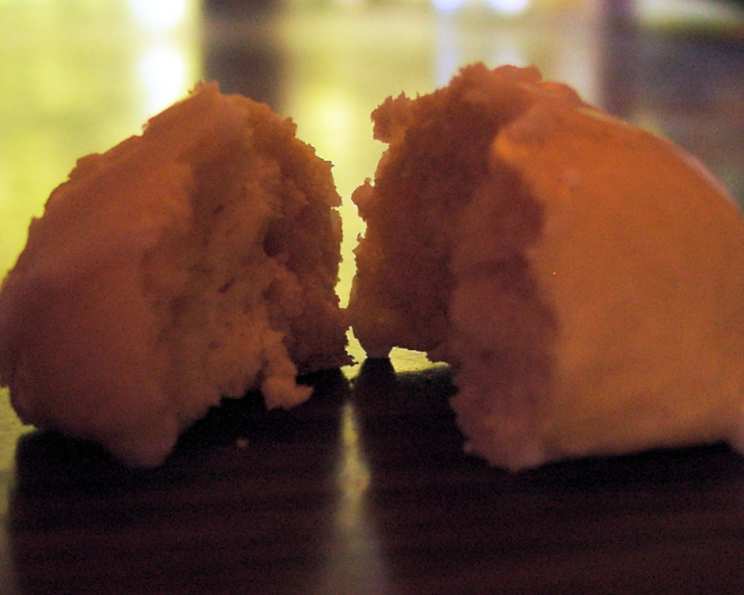
Ginetti: Italian Puff Cookies That Melt in Your Mouth
There’s a certain scent that instantly transports me back to childhood Christmases at my grandmother’s house – a warm, citrusy sweetness that permeated every corner of her kitchen. It was the aroma of Ginetti, these delicate Italian puff cookies, baking in the oven. I remember standing on a stool, mesmerized as she deftly dropped spoonfuls of dough onto the baking sheet, each destined to transform into a cloud-like treat. The anticipation of that first bite, the sugary glaze cracking between my teeth, remains one of my most cherished holiday memories. These cookies aren’t just a dessert; they’re a taste of home, a tradition passed down through generations.
Recipe Overview
- Prep Time: 20 minutes
- Cook Time: 10 minutes
- Total Time: 30 minutes
- Yields: 5 dozen
- Dietary Type: Not Gluten-Free
Ingredients
- ½ cup butter
- 1 cup sugar
- 6 eggs
- 2 lemons, zest of
- 4 ½ cups flour
- 8 teaspoons baking powder
- 1 ½ cups powdered sugar
- 1 teaspoon water (add more, ½ tsp at a time, if needed for desired consistency)
Equipment Needed
- Saucepan
- Mixer (hand or stand)
- Measuring cups and spoons
- Cookie sheets
- Parchment paper (optional, for lining cookie sheets)
- Sifter
- Airtight container
Instructions
- Begin by melting the butter in a saucepan over low heat. Be careful not to burn it. Once melted, remove from heat and set aside to cool to room temperature. This is crucial; if the butter is too hot, it will cook the eggs in the next step.
- In a large bowl, or the bowl of your stand mixer, beat the sugar and eggs together until the mixture becomes very thick and pale yellow. This step is essential for achieving the light and airy texture of the Ginetti. Don’t rush it; aim for at least 5-7 minutes of beating. You want to incorporate plenty of air.
- Stir in the lemon zest and the cooled, melted butter into the egg mixture. Make sure the butter is fully incorporated. The lemon zest adds a bright, fragrant note that perfectly complements the sweetness of the cookies.
- In a separate bowl, sift together the flour and baking powder. Sifting ensures that the baking powder is evenly distributed throughout the flour, which is vital for the cookies to puff up properly.
- Gradually add the sifted flour and baking powder mixture to the egg mixture, mixing thoroughly after each addition. Be careful not to overmix the dough, as this can develop the gluten in the flour and result in tough cookies. Mix just until the ingredients are combined. The dough will be quite thick.
- Preheat your oven to 400 degrees Fahrenheit (200 degrees Celsius). Grease your cookie sheets, or line them with parchment paper to prevent sticking.
- Drop the dough by teaspoonfuls onto the prepared cookie sheets, leaving about 1 ½ inches of space between each cookie. The cookies will spread slightly as they bake.
- Bake in the preheated oven for approximately 10 minutes, or until the cookies are lightly golden brown around the edges. Keep a close eye on them, as they can burn easily.
- While the cookies are baking, prepare the glaze. In a small bowl, combine the powdered sugar and water. Mix until smooth. If the glaze is too thick, add more water, ½ teaspoon at a time, until you reach the desired consistency. You want a glaze that is thick enough to coat the cookies but thin enough to spread easily.
- Once the cookies are baked, remove them from the oven and let them cool slightly on the cookie sheets for a few minutes. While the cookies are still warm (but not too hot), glaze them with the prepared glaze. The warmth of the cookies will help the glaze adhere and set properly.
- Allow the glazed cookies to cool completely on a wire rack before storing them in an airtight container.
Expert Tips & Tricks
- Room Temperature is Key: Ensure your butter and eggs are at room temperature for optimal emulsification and a smoother batter.
- Don’t Overmix: Overmixing develops gluten, leading to tough cookies. Mix until just combined.
- Watch the Oven: Ovens vary. Keep a close eye on the cookies in the last few minutes of baking to prevent burning.
- Glaze Consistency: Adjust the water in the glaze gradually to achieve the perfect consistency.
- Make Ahead: The dough can be made a day ahead and stored in the refrigerator. Bring to room temperature before baking.
Serving & Storage Suggestions
Ginetti are best served slightly cooled, allowing the glaze to set completely. They are wonderful on their own with a cup of coffee or tea, or as part of a dessert platter.
To store, place the cooled cookies in an airtight container at room temperature. They will stay fresh for up to 3-4 days. You can also freeze them for longer storage. To freeze, arrange the cookies in a single layer on a baking sheet and freeze until solid. Then, transfer them to a freezer-safe container or bag. Frozen Ginetti can be stored for up to 2 months. Thaw them at room temperature before serving. Reheating is not recommended as it can affect the texture of the glaze.
Nutritional Information
Please note that these values are approximate and may vary depending on specific ingredients used and portion sizes.
| Nutrient | Amount per Serving | % Daily Value |
|---|---|---|
| Calories | 160 kcal | 8% |
| Total Fat | 7g | 11% |
| Saturated Fat | 4g | 20% |
| Cholesterol | 35mg | 12% |
| Sodium | 40mg | 2% |
| Total Carbohydrate | 22g | 7% |
| Dietary Fiber | 0.5g | 2% |
| Sugars | 12g | N/A |
| Protein | 2g | 4% |
Variations & Substitutions
- Citrus Variations: Experiment with different citrus zests, such as orange or grapefruit, for a unique flavor profile.
- Extracts: Add a drop or two of vanilla, almond, or anise extract to the dough for extra flavor.
- Gluten-Free: Substitute the all-purpose flour with a gluten-free blend, but be aware that the texture may be slightly different. You might need to experiment with the amount of liquid to achieve the right consistency.
- Chocolate Glaze: Replace half of the powdered sugar in the glaze with cocoa powder for a chocolatey twist.
- Nuts: Sprinkle chopped nuts, such as almonds or pecans, over the glazed cookies before the glaze sets.
FAQs (Frequently Asked Questions)
Q: Why are my Ginetti flat and not puffy?
A: The most common reason is that the baking powder wasn’t fresh, or the oven temperature was too low. Also, ensure you’re not overmixing the dough.
Q: Can I use margarine instead of butter?
A: While you can, the flavor and texture will be different. Butter contributes to the richness and tenderness of the cookies.
Q: My glaze is too runny. How do I fix it?
A: Gradually add more powdered sugar, a tablespoon at a time, until you reach the desired consistency.
Q: Can I freeze the unbaked dough?
A: Yes, you can freeze the dough. Wrap it tightly in plastic wrap and then in foil, and freeze for up to 2 months. Thaw completely in the refrigerator before baking.
Q: The cookies are browning too quickly. What should I do?
A: Reduce the oven temperature by 25 degrees Fahrenheit and continue baking until done. You can also tent the cookies with foil to prevent further browning.
Final Thoughts
Ginetti are more than just cookies; they are a taste of tradition, a connection to family, and a reminder of the simple joys in life. I hope this recipe inspires you to create your own memories with these delightful Italian treats. Don’t be afraid to experiment with different flavors and variations to make them your own. And please, share your creations and feedback – I’d love to hear how they turned out! Pair them with a strong espresso for the perfect Italian experience. Buon appetito!