
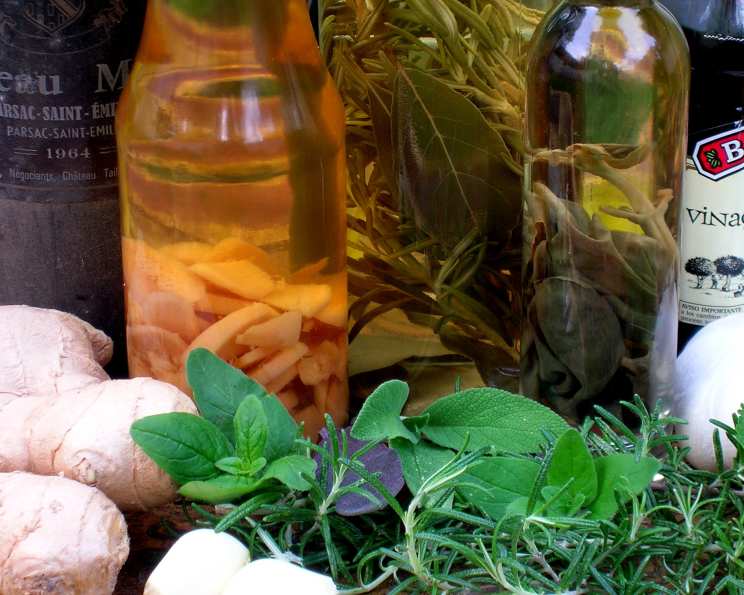
Ginger Apple Vinegar: A Zingy Elixir for Your Kitchen
My grandmother, a woman who could coax flavor from the most humble ingredients, always had a collection of homemade vinegars bubbling away on her windowsill. I remember the light filtering through the colorful bottles, each promising a unique taste of her garden. The distinct aroma of ginger mingling with apples always filled her kitchen, a scent that instantly transports me back to her cozy farmhouse. This Ginger Apple Vinegar is my attempt to recreate that memory, to capture the essence of her resourceful cooking and the love she poured into every creation.
Recipe Overview
- Prep Time: 10 minutes
- Cook Time: 5 minutes
- Total Time: 2 weeks, 5 minutes
- Yields: 1 cup
- Dietary Type: Vegan, Gluten-Free
Ingredients
- 3 inches fresh ginger, thinly sliced
- 1 cup apple cider vinegar
- 1 teaspoon sugar
Equipment Needed
- Glass or stainless steel saucepan
- Clean glass jar
- Acid-proof lid
- Cheesecloth
Instructions
- In a glass or stainless steel saucepan, gently heat the apple cider vinegar with the sugar on the stove. The goal is to warm it through, ensuring the sugar dissolves easily. Avoid boiling, as this can degrade the vinegar’s delicate flavors. Maintain a low heat, stirring occasionally until the sugar is fully dissolved.
- Loosely fill a clean glass jar with the thinly sliced ginger. Don’t pack it too tightly; you want the vinegar to circulate freely and infuse properly.
- Carefully pour the warmed apple cider vinegar over the ginger in the jar, ensuring all the ginger is submerged.
- Cap the jar tightly with an acid-proof lid. This is crucial as the vinegar can corrode certain materials.
- Store the jar in a cool, dark place for 2 weeks, shaking it gently occasionally. This allows the flavors to meld and infuse. Regular shaking ensures even flavor distribution.
- After two weeks, strain the vinegar through cheesecloth to remove the ginger. This step ensures a clear, sediment-free final product.
- Rebottle the strained Ginger Apple Vinegar into a clean glass jar or bottle. Ensure the bottle is properly sealed for optimal storage.
Expert Tips & Tricks
- Quality matters: Opt for high-quality apple cider vinegar with “the mother” for a more robust flavor and added health benefits.
- Ginger prep: Use young, fresh ginger if possible. It has a milder, slightly sweeter flavor. Older ginger can be more pungent, so adjust the quantity accordingly.
- Sugar alternative: You can substitute honey, maple syrup, or agave nectar for sugar. Be aware that these alternatives will slightly alter the flavor profile.
- Temperature control: Avoid overheating the vinegar during the warming process. High heat can diminish the vinegar’s flavor.
- Infusion time: While 2 weeks is the minimum, you can infuse the vinegar for up to a month for a more intense ginger flavor. Taste it periodically to check the flavor development.
- Prevent mold: Ensure the ginger is fully submerged in the vinegar during the infusion process. Exposed ginger can lead to mold growth.
- Acid-proof lid: Use a lid made of glass, plastic, or stainless steel to prevent corrosion from the vinegar. Avoid metal lids that can rust.
Serving & Storage Suggestions
Ginger Apple Vinegar is a versatile condiment that can add a zing to a variety of dishes. Drizzle it over salads for a tangy vinaigrette, use it as a marinade for meats or tofu, or add a splash to stir-fries for a flavor boost.
Store your Ginger Apple Vinegar in a cool, dark place or in the refrigerator for optimal preservation. Properly prepared, it should retain good quality for two to three months in cool room storage and for six to eight months in refrigerated storage. If you notice any cloudiness or sediment, it is still safe to consume, but the flavor may be slightly altered. If mold develops, discard the vinegar.
Nutritional Information
| Nutrient | Amount per Serving | % Daily Value |
|---|---|---|
| Calories | 66 kcal | 3% |
| Total Fat | 0g | 0% |
| Saturated Fat | 0g | 0% |
| Cholesterol | 0mg | 0% |
| Sodium | 11.9mg | 0% |
| Total Carbohydrate | 6.4g | 2% |
| Dietary Fiber | 0g | 0% |
| Sugars | 5.2g | N/A |
| Protein | 0g | 0% |
Note: Nutritional information is an estimate and may vary based on specific ingredients and preparation methods.
Variations & Substitutions
- Spice it up: Add a pinch of red pepper flakes or a small piece of chili pepper to the jar for a spicy kick.
- Herbal infusion: Combine the ginger with other herbs like rosemary, thyme, or sage for a more complex flavor profile.
- Fruity twist: Add a few slices of apple, pear, or other fruit to complement the ginger flavor.
- Honey-ginger vinegar: Replace the sugar with honey for a sweeter, more floral vinegar.
- White wine vinegar: Substitute apple cider vinegar with white wine vinegar for a slightly different flavor profile.
FAQs (Frequently Asked Questions)
Q: Can I use dried ginger instead of fresh ginger?
A: Fresh ginger is recommended for the best flavor. Dried ginger will have a more muted flavor and may not infuse as effectively.
Q: How long does the vinegar need to infuse?
A: The minimum infusion time is 2 weeks, but you can infuse it for up to a month for a stronger ginger flavor. Taste it periodically to check the flavor development.
Q: How do I know if the vinegar has gone bad?
A: If you notice any mold growth, discard the vinegar. Cloudiness or sediment is normal and does not necessarily indicate spoilage.
Q: What is the best way to store Ginger Apple Vinegar?
A: Store it in a cool, dark place or in the refrigerator for optimal preservation.
Q: Can I use a metal lid on the jar?
A: It is best to use an acid-proof lid made of glass, plastic, or stainless steel to prevent corrosion from the vinegar. Avoid metal lids that can rust.
Final Thoughts
Ginger Apple Vinegar is more than just a condiment; it’s a taste of history, a connection to the past, and a celebration of simple, flavorful ingredients. Don’t be afraid to experiment with different variations and find your own unique blend. I encourage you to try this recipe and experience the delightful zing it brings to your kitchen. Share your creations and feedback – I’d love to hear about your personal twists on this classic recipe! Try pairing it with a fresh summer salad or using it to deglaze a pan after sautéing vegetables for an extra layer of flavor.