
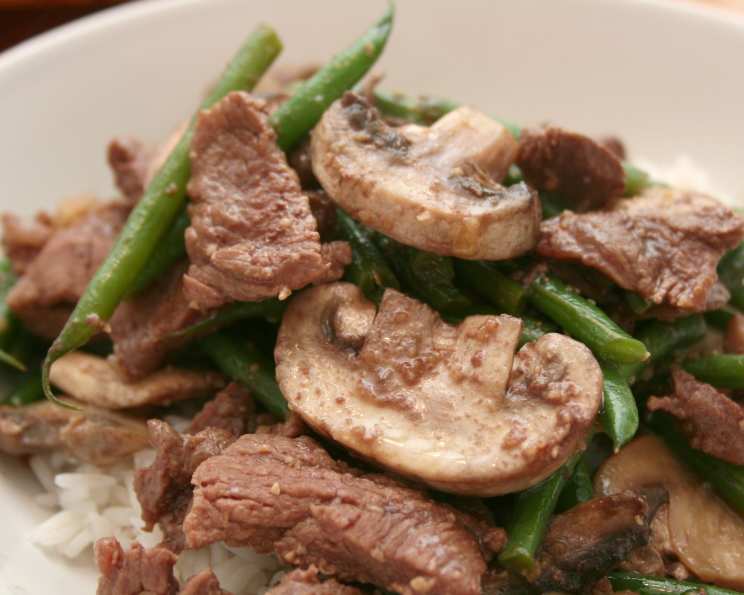
Ginger Beef Stir-Fry (Pad Khing Nuah): A Taste of Thailand in Your Kitchen
The first time I tasted Pad Khing Nuah, I was wandering through a bustling Bangkok night market, the air thick with the scents of lemongrass, chili, and the tantalizing sizzle of street food. It was the unmistakable aroma of ginger that drew me to a small, unassuming stall. One bite of that perfectly balanced sweet, savory, and spicy beef stir-fry, and I was hooked. Recreating that moment has become a passion, and this recipe brings me as close to that memory as possible.
Recipe Overview
- Prep Time: 15 minutes
- Cook Time: 15 minutes
- Total Time: 30 minutes
- Servings: 3-4
- Dietary Type: Dairy-Free
Ingredients
- 30g fresh ginger
- 2 tablespoons olive oil or peanut oil
- 600g beef rump, sliced thinly
- 2-3 garlic cloves, crushed
- 120g snake beans, cut into 5cm lengths (French beans work well also)
- 8 green onions, sliced thinly
- 2 teaspoons grated palm sugar
- 2 teaspoons oyster sauce
- 1 tablespoon fish sauce
- 1 tablespoon soy sauce
- ½ cup loosely packed fresh Thai basil
Equipment Needed
- Wok or large skillet
- Cutting board
- Sharp knife
Instructions
- Begin by prepping the ginger. Peel it and slice it thinly. Stack the slices, then slice them again into thin slivers. This julienning technique maximizes the ginger’s surface area, releasing its fragrant oils during cooking.
- Heat half of the oil in a wok over high heat. When the oil is shimmering, add the sliced beef in batches, ensuring not to overcrowd the wok. Stir-fry the beef until browned on all sides. Remove the browned beef from the wok and set aside. Overcrowding the wok will steam the beef instead of searing it, resulting in a less flavorful dish.
- Add the remaining oil to the wok. Add the slivered ginger and crushed garlic. Stir-fry until fragrant, about 30 seconds. Be careful not to burn the garlic, as it can become bitter.
- Add the cut snake beans (or French beans) to the wok. Stir-fry until they are just tender, about 3-5 minutes. You want them to retain a slight crispness.
- Return the beef to the wok with the green onions, grated palm sugar, oyster sauce, fish sauce, and soy sauce.
- Stir-fry until the palm sugar dissolves and the beef is cooked to your desired doneness. Taste and adjust seasoning as needed. Some may prefer a saltier or sweeter flavor profile.
- Remove the wok from the heat. Toss the fresh Thai basil leaves through the stir-fry. The residual heat will wilt the basil, releasing its aromatic oils.
Expert Tips & Tricks
- To achieve paper-thin slices of beef, partially freeze the beef for about an hour before slicing. This will firm it up and make it easier to cut evenly.
- If you can’t find palm sugar, brown sugar makes a suitable substitute. The palm sugar will give a more authentic Thai flavor.
- Don’t overcook the beef. It should be tender and slightly pink inside. Overcooked beef will be tough and dry.
- Adding a splash of water or chicken broth can help create a sauce if the stir-fry becomes too dry.
- For a spicier kick, add a pinch of dried chili flakes or a finely chopped fresh chili to the wok along with the ginger and garlic.
Serving & Storage Suggestions
Serve the Ginger Beef Stir-Fry immediately over steamed basmati rice or rice noodles. Garnish with extra fresh Thai basil leaves and a sprinkle of toasted sesame seeds for added visual appeal and texture.
Leftovers can be stored in an airtight container in the refrigerator for up to 3 days. Reheat gently in a wok or skillet over medium heat, adding a splash of water or broth if needed to prevent drying out. While freezing is possible, the texture of the vegetables might change upon thawing.
Nutritional Information
| Nutrient | Amount per Serving | % Daily Value |
|---|---|---|
| Calories | 475 kcal | 24% |
| Total Fat | 28g | 43% |
| Saturated Fat | 9g | 45% |
| Cholesterol | 122mg | 41% |
| Sodium | 1514mg | 63% |
| Carbohydrates | 9g | 3% |
| Fiber | 2g | 7% |
| Sugar | 2g | 4% |
| Protein | 45g | 90% |
Note: Nutritional information is an estimate and can vary based on specific ingredients and portion sizes.
Variations & Substitutions
- Vegetarian: Replace the beef with firm tofu or tempeh. Ensure to press the tofu to remove excess water before stir-frying.
- Gluten-Free: Use gluten-free soy sauce or tamari to replace the regular soy sauce.
- Spice Level: Adjust the amount of chili flakes or fresh chili to control the heat level. Omit entirely for a mild dish.
- Vegetable Variety: Experiment with other vegetables such as bell peppers, mushrooms, or broccoli.
- Nutty Flavor: Add a tablespoon of peanut butter or almond butter to the sauce for a richer, nuttier flavor.
FAQs (Frequently Asked Questions)
Q: Can I use dried ginger instead of fresh ginger?
A: While fresh ginger is highly recommended for its vibrant flavor, you can substitute dried ginger in a pinch. Use about 1 teaspoon of ground ginger for every tablespoon of fresh ginger. Keep in mind that the flavor will be less intense.
Q: What if I can’t find snake beans?
A: French beans (green beans) make an excellent substitute for snake beans. They have a similar texture and flavor profile.
Q: How do I prevent the beef from becoming tough?
A: Slice the beef thinly against the grain and avoid overcooking it. Stir-fry it in batches to ensure it browns properly without steaming.
Q: Can I make this dish ahead of time?
A: While you can prepare the ingredients ahead of time (slicing the ginger, beef, and vegetables), it’s best to cook the stir-fry just before serving to maintain the freshness and texture.
Q: What is the best way to reheat leftovers?
A: Reheat the stir-fry in a wok or skillet over medium heat, adding a splash of water or broth if needed to prevent it from drying out. Avoid microwaving, as it can make the beef tough.
Final Thoughts
Ginger Beef Stir-Fry, or Pad Khing Nuah, is a vibrant and flavorful dish that’s surprisingly easy to make at home. Don’t be intimidated by the ingredient list – each element plays a crucial role in creating the authentic Thai flavor profile. Experiment with the variations, adjust the spice level to your liking, and most importantly, have fun! I encourage you to give this recipe a try and share your experience. Perhaps pair it with a refreshing Thai iced tea or a crisp, dry white wine for a complete culinary experience. Enjoy the journey!