
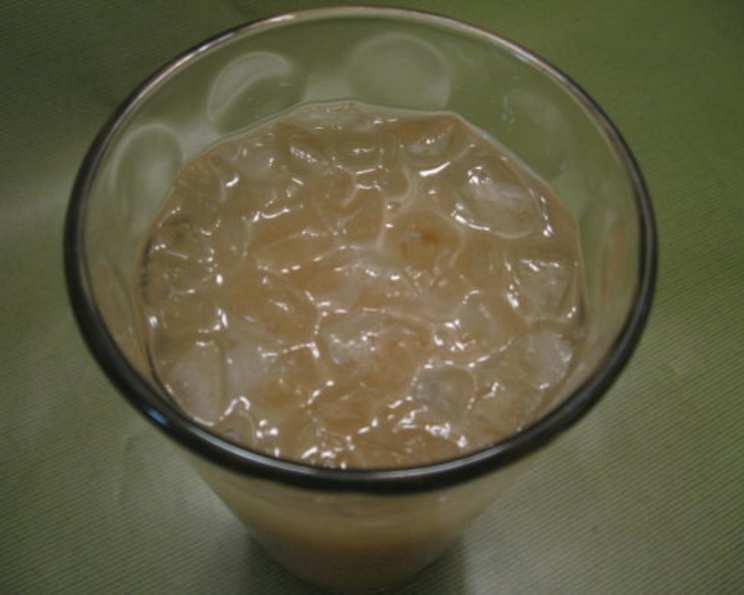
Homemade Ginger Beer: A Refreshing Zest from Your Kitchen
My grandmother, a woman whose hands seemed perpetually dusted with flour and whose kitchen always smelled of warm spices, had a secret weapon against summer’s swelter: ginger beer. Not the commercial kind, mind you, but a potent, bubbly concoction she brewed in a large glass jar on her sunny windowsill. The spicy-sweet aroma would fill the house, a promise of cool relief on a hot day. It was a taste of pure, unadulterated refreshment, a memory I cherish and a tradition I’m thrilled to share.
Recipe Overview
- Prep Time: 2 hours 15 minutes
- Cook Time: 0 minutes
- Total Time: 26 hours 15 minutes
- Yields: 1/2 gallon
- Serves: 8
- Dietary Type: Vegan
Ingredients
- 1/2 lb fresh ginger
- 2 limes
- 1 1/2 cups sugar
- 1/2 teaspoon cream of tartar
- 1/2 gallon boiling water
- 1/2 teaspoon yeast
Equipment Needed
- Large bowl or pitcher
- Grater or food processor
- Juicer
- Large pitcher or jar with a cover
- Strainer
Instructions
-
Begin by thoroughly washing the fresh ginger. There’s no need to peel it, as the skin contributes to the depth of flavor. Grind or grate the ginger, peel and all, and place it in a large bowl or pitcher. A food processor can expedite this process, but grating by hand yields a beautifully textured result.
-
Juice the limes, reserving both the juice and the peels. Add the lime juice, lime peels, sugar, and cream of tartar to the bowl with the ginger. The lime zest adds an aromatic citrus note that balances the spice of the ginger beautifully.
-
Carefully pour the boiling water over the ginger mixture. Allow the mixture to sit for at least two hours, stirring occasionally, until it has cooled to room temperature. This steeping process extracts the vibrant flavors of the ginger and lime, creating the base for your ginger beer.
-
Once the water is at room temperature (crucial, as heat will kill the yeast), strain the mixture into a large pitcher or jar with a cover. Be thorough in straining; no one wants bits of ginger in their finished beverage.
-
Sprinkle the yeast over the top of the strained liquid and let it sit uncovered for about five minutes so the yeast softens. This allows the yeast to activate and prepare for fermentation.
-
Now, stir the mixture, cover it, and leave it to sit at room temperature for 24 hours. During this time, the yeast will consume the sugar, producing carbon dioxide and a subtle alcoholic tang.
-
After 24 hours, strain the ginger beer again to remove any sediment that has settled.
-
Chill the strained ginger beer thoroughly before serving. The cold temperature enhances the refreshing qualities of the drink and helps to maintain its carbonation.
Expert Tips & Tricks
-
Ginger Selection: Opt for young, fresh ginger. It has a thinner skin and a more vibrant, less fibrous texture. Older ginger can be used, but be sure to remove any overly fibrous parts.
-
Sweetness Adjustment: While this recipe is designed to be less sweet than commercial ginger beer, you can adjust the sugar to your liking. Add more sugar to the initial mixture for a sweeter result.
-
Carbonation Control: The fermentation process creates natural carbonation. However, you can enhance the fizz by bottling the ginger beer in airtight bottles (like flip-top bottles) after the initial 24-hour fermentation. Be cautious, as too much pressure can cause the bottles to explode!
-
Yeast Matters: Use active dry yeast or brewer’s yeast for the best results. Avoid instant yeast, as it may not ferment as reliably.
-
Flavor Infusion: For a unique twist, experiment with adding other flavors during the initial steeping process. Slices of fresh pineapple, a few sprigs of rosemary, or a chili pepper can add exciting dimensions to your ginger beer.
-
Temperature is Key: The success of this recipe hinges on maintaining the correct temperatures. Ensure the water has cooled to room temperature before adding the yeast, and store the mixture in a cool, dark place during fermentation to prevent over-fermentation.
Serving & Storage Suggestions
Serve your homemade ginger beer chilled, garnished with a slice of lime or a sprig of mint for an extra touch of freshness. It’s delicious on its own or as a mixer in cocktails.
Store the ginger beer in the refrigerator in a sealed container. It will keep for up to a week, although the carbonation may diminish slightly over time. Because of the fermentation process, this ginger beer is best stored in the refrigerator. It is not recommended to store this at room temperature for extended periods.
Nutritional Information
| Nutrient | Amount per Serving | % Daily Value |
|---|---|---|
| Calories | 174.1 kcal | N/A |
| Total Fat | 0.3 g | 0% |
| Saturated Fat | 0.1 g | 0% |
| Cholesterol | 0 mg | 0% |
| Sodium | 8.9 mg | 0% |
| Total Carbohydrate | 44.5 g | 14% |
| Dietary Fiber | 1.1 g | 4% |
| Sugars | 38.2 g | N/A |
| Protein | 0.7 g | 1% |
Note: Nutritional information is an estimate and may vary based on specific ingredients and preparation methods. Daily values are based on a 2,000 calorie diet.
Variations & Substitutions
-
Spicy Ginger Beer: Add a small piece of habanero pepper (seeds removed!) to the initial ginger mixture for a fiery kick.
-
Herbal Ginger Beer: Infuse the ginger beer with fresh herbs like rosemary, thyme, or basil during the initial steeping process.
-
Fruity Ginger Beer: Add slices of your favorite fruit (such as pineapple, peaches, or berries) to the ginger mixture for a refreshing fruity twist.
-
Ginger Ale Variation: For a less intense flavor, use less ginger and more water. You can also add a touch of maple syrup for sweetness instead of just sugar.
FAQs (Frequently Asked Questions)
Q: Can I use bottled lime juice instead of fresh limes?
A: While fresh lime juice is highly recommended for the best flavor, bottled lime juice can be used in a pinch. Be sure to use a high-quality bottled juice without any added preservatives or sweeteners.
Q: What if my ginger beer doesn’t get fizzy?
A: Several factors can affect carbonation. Ensure your yeast is fresh and active, and that the temperature during fermentation is warm enough (around 70-75°F). Adding a small amount of sugar to the bottles before sealing them can also help boost carbonation.
Q: Can I make this recipe with less sugar?
A: You can reduce the sugar slightly, but keep in mind that the yeast needs sugar to ferment and produce carbonation. Reducing it too much will result in a less fizzy and less flavorful beverage.
Q: How can I tell if my ginger beer has gone bad?
A: If the ginger beer develops an off-putting smell, unusual mold, or a vinegary taste, it has likely spoiled and should be discarded.
Q: Is this ginger beer alcoholic?
A: Yes, this ginger beer contains a very small amount of alcohol as a byproduct of the fermentation process. However, the alcohol content is typically very low, similar to that of kombucha.
Final Thoughts
Now it’s your turn to create some magic! This homemade ginger beer recipe is a simple, rewarding way to add a touch of zest and refreshment to your life. Don’t be afraid to experiment with different flavors and find your perfect blend. Share your creations with friends and family, and let the sparkling spice bring a smile to their faces. Enjoy the journey, and remember, the best recipes are the ones made with love!