
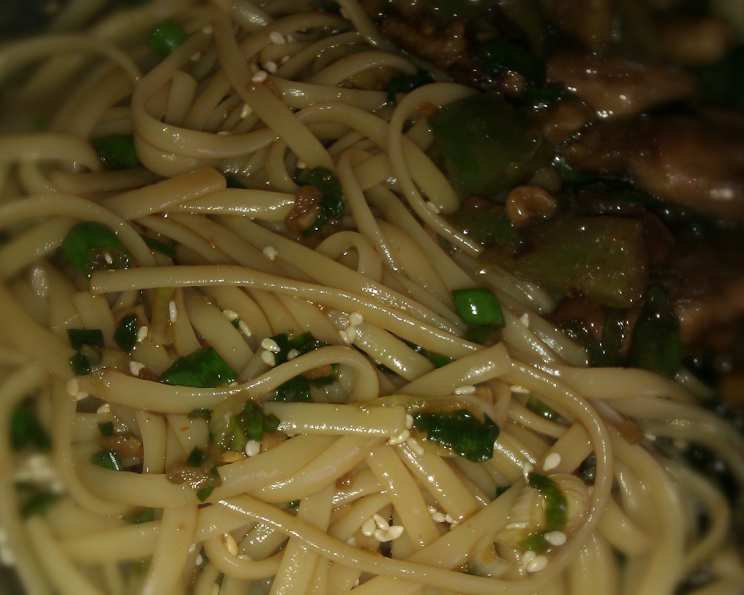
Slurping My Way Back Home: A Love Letter to Ginger Noodles
I can still picture it: the fluorescent lights of my college dorm kitchen, the clatter of pots and pans as everyone attempted their culinary masterpieces (or, more often, instant ramen). But amidst the chaos, there was always a calming aroma emanating from my corner – the sweet and spicy fragrance of ginger noodles. This dish wasn’t just a meal; it was a tiny piece of home, a reminder of my mom’s comforting cooking, and a surprisingly sophisticated flavor profile that elevated even the most basic late-night study session. It was the perfect dish to share, a blank canvas to which I could add the flavors of my own adventures.
Recipe Overview
- Prep Time: 10 minutes
- Cook Time: 10 minutes
- Total Time: 20 minutes
- Servings: 3
- Dietary Type: Vegetarian
Ingredients
- 8 ounces thin spaghetti
- 4 green onions, sliced
- 1/4 cup rice vinegar
- 2 tablespoons low sodium soy sauce
- 1-2 tablespoon freshly grated gingerroot
- 3 tablespoons honey
- 2 teaspoons sesame oil
- 1 teaspoon chili paste
- 1 teaspoon toasted sesame seeds
Equipment Needed
- Large pot
- Small bowl
- Large bowl
- Colander
Instructions
-
Begin by cooking the spaghetti according to the package directions. Make sure you salt the water generously – this seasons the noodles from the inside out. We’re aiming for al dente, which means slightly firm to the bite. This prevents them from becoming mushy when they’re tossed with the sauce.
-
While the spaghetti is cooking, prepare the sauce. In a small bowl, whisk together the rice vinegar, low sodium soy sauce, freshly grated gingerroot, honey, sesame oil, and chili paste. Whisk until the honey is fully dissolved and the sauce is smooth and emulsified. Taste the sauce and adjust the amount of ginger and chili paste to your preference. Some like it hotter, some like it milder!
-
Once the spaghetti is cooked to al dente, drain it immediately in a colander. Don’t rinse it, as the starch on the surface helps the sauce cling to the noodles.
-
Transfer the hot, drained spaghetti to a large bowl. Pour the sauce mixture over the spaghetti and toss gently but thoroughly to coat every strand. Make sure to get the sauce evenly distributed so each bite is a burst of flavor.
-
Add the sliced green onions to the bowl and toss again to combine.
-
Serve the ginger noodles warm, garnished with toasted sesame seeds.
Expert Tips & Tricks
- Ginger Power: Fresh ginger is key to the vibrant flavor of this dish. Avoid using powdered ginger, as it lacks the bright, zesty punch of the fresh stuff. Grate the ginger finely for the best flavor release.
- Noodle Know-How: While thin spaghetti is traditional, you can experiment with other types of noodles. Udon noodles or soba noodles would also work well and provide a different texture.
- Spice It Up (or Down): The chili paste adds a touch of heat, but feel free to adjust the amount to your liking. If you’re sensitive to spice, start with a smaller amount and add more to taste. For a milder dish, you can even omit the chili paste altogether. A dash of red pepper flakes can also work in place of chili paste.
- Sauce Consistency: If you find the sauce is too thick, you can add a tablespoon or two of the pasta cooking water to thin it out.
- Make-Ahead Magic: The sauce can be made ahead of time and stored in the refrigerator for up to 3 days. Just whisk it again before using.
- Vegetable Boost: This dish is incredibly versatile. Toss in some steamed broccoli, shredded carrots, or edamame for added nutrition and texture.
Serving & Storage Suggestions
Serve these delightful ginger noodles warm as a main course or a flavorful side dish. They pair beautifully with grilled chicken, tofu, or shrimp. For a vegetarian meal, try serving them alongside a crispy tofu stir-fry.
Leftover ginger noodles can be stored in an airtight container in the refrigerator for up to 3 days. To reheat, microwave them gently, adding a splash of water if needed to prevent them from drying out. Reheating in a pan on the stovetop over medium-low heat also works well. Unfortunately, freezing is not recommended as the noodles can become mushy upon thawing.
Nutritional Information
| Nutrient | Amount per Serving | % Daily Value |
|---|---|---|
| Calories | 398 kcal | N/A |
| Calories from Fat | N/A | 12% |
| Total Fat | 5.5 g | 8% |
| Saturated Fat | 0.8 g | 3% |
| Cholesterol | 0 mg | 0% |
| Sodium | 366.1 mg | 15% |
| Total Carbohydrate | 71.8 g | 23% |
| Dietary Fiber | 0.9 g | 3% |
| Sugars | 17.9 g | 71% |
| Protein | 16.4 g | 32% |
Note: % Daily Values are based on a 2,000 calorie diet. Nutritional information is an estimate and may vary based on specific ingredients and preparation methods.
Variations & Substitutions
- Gluten-Free Noodles: Swap the spaghetti for gluten-free noodles, such as rice noodles or soba noodles.
- Sweetener Switch: If you’re not a fan of honey, you can use maple syrup or agave nectar instead. Adjust the amount to your preference.
- Nutty Nuance: Add a tablespoon of peanut butter or almond butter to the sauce for a richer, nuttier flavor.
- Sesame Seed Symphony: Experiment with different types of sesame seeds. Black sesame seeds add a beautiful visual contrast and a slightly different flavor profile.
- Vegetable Medley: Add snow peas, bell peppers, or mushrooms to the noodles.
- Protein Boost: Add shredded chicken, shrimp, or tofu to make it a complete meal.
FAQs (Frequently Asked Questions)
Q: Can I use pre-grated ginger?
A: While it’s convenient, pre-grated ginger lacks the same punch as freshly grated ginger. If you must use it, use a little more to compensate for the weaker flavor.
Q: What if I don’t have rice vinegar?
A: You can substitute with apple cider vinegar or white wine vinegar, but the flavor will be slightly different. Rice vinegar is milder and sweeter.
Q: How can I make this vegan?
A: Simply substitute the honey with maple syrup or agave nectar.
Q: Can I add other vegetables to this dish?
A: Absolutely! Steamed broccoli, shredded carrots, bell peppers, and snow peas all work well.
Q: The sauce seems a bit too salty. How can I fix it?
A: Add a squeeze of lemon or lime juice to balance the saltiness. You can also add a touch more honey to sweeten it up.
Final Thoughts
Ginger noodles aren’t just a recipe; they’re a culinary hug. They’re simple enough for a weeknight meal but sophisticated enough to impress guests. So, gather your ingredients, put on some music, and let the aroma of ginger and sesame transport you to a place of comfort and deliciousness. Don’t be afraid to experiment with variations and make this dish your own. And when you do, be sure to share your creations and feedback – I’d love to hear how you’ve made these noodles your own masterpiece!