
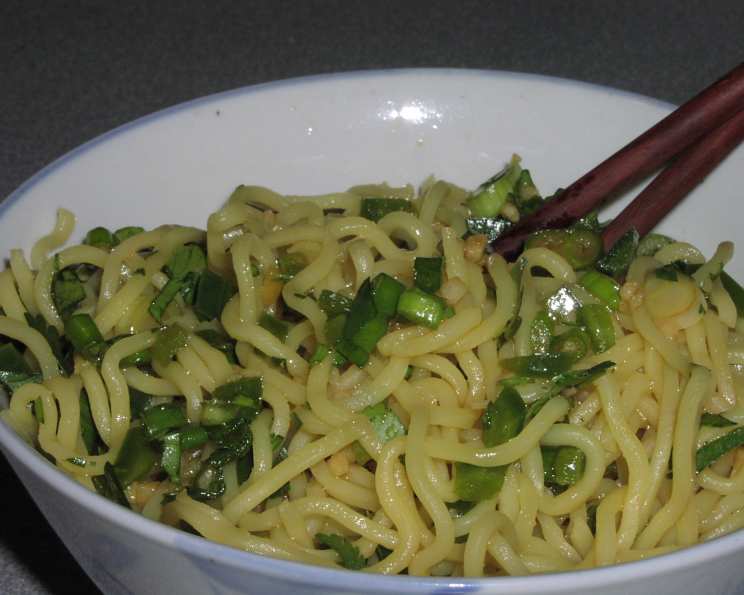
Zesty Ginger Noodles: A Culinary Revelation
I remember the first time I tasted ginger noodles. It was a sweltering summer afternoon at a small, unassuming noodle shop tucked away in a bustling city market. The aroma of ginger, garlic, and a hint of spice hung in the air, beckoning me closer. One bite of those cool, refreshing noodles, slick with a vibrant sauce, and I was hooked. The simple yet profound combination of flavors was unlike anything I’d experienced before, a symphony of sweet, savory, and subtly spicy notes that danced on my palate. This recipe captures that magic, bringing the vibrant flavors of that memorable day to your kitchen.
Recipe Overview
- Prep Time: 10 minutes
- Cook Time: 8 minutes
- Total Time: 18 minutes
- Servings: 4
- Dietary Type: Vegan
Ingredients
- 1 (8 ounce) package soba noodles (100% buckwheat recommended)
- 3 tablespoons seasoned rice vinegar
- 3 tablespoons soy sauce
- 2 teaspoons fresh ginger, finely chopped
- 2 garlic cloves, minced
- ½ – 1 fresh jalapeno pepper, seeded and finely chopped (adjust to your spice preference)
- 2 green onions, finely chopped, including tops
- ¼ cup chopped fresh cilantro (optional)
Equipment Needed
- Large pot
- Colander
- Mixing bowl
Instructions
-
Begin by bringing a large pot of water to a rolling boil. Once boiling, add the soba noodles and cook according to package directions. The cooking time will vary depending on the brand and thickness of the noodles, but it generally takes about 6-8 minutes. Keep a close eye on them to prevent overcooking.
-
While the noodles are cooking, prepare the flavorful sauce. In a mixing bowl, combine the seasoned rice vinegar, soy sauce, fresh ginger, minced garlic, and finely chopped jalapeno pepper. Stir well to ensure all ingredients are thoroughly incorporated.
-
Once the soba noodles are tender, immediately drain them in a colander. Rinse them thoroughly with cold water to stop the cooking process and remove excess starch. This step is crucial for achieving the perfect texture and preventing the noodles from sticking together.
-
Add the rinsed and drained soba noodles to the mixing bowl with the prepared sauce. Toss gently but thoroughly to coat the noodles evenly with the sauce. Ensure that every strand is glistening with the flavorful mixture.
-
Finally, add the finely chopped green onions, including the tops, to the noodle mixture. If desired, add the chopped fresh cilantro at this stage as well. Toss gently one last time to distribute the herbs evenly throughout the noodles.
Expert Tips & Tricks
- Ginger Power: Freshly grated ginger is key to the vibrant flavor of this dish. Avoid using powdered ginger, as it lacks the same punch and complexity.
- Spice Level: Adjust the amount of jalapeno pepper to your liking. For a milder flavor, remove the seeds and membranes before chopping. For a spicier kick, leave some of the seeds intact.
- Noodle Perfection: Be careful not to overcook the soba noodles. They should be tender but still have a slight bite to them. Overcooked soba noodles can become mushy and unappetizing.
- Flavor Infusion: For an even more intense flavor, prepare the sauce ahead of time and let it sit for at least 30 minutes to allow the flavors to meld together.
- Buckwheat Matters: Opt for 100% buckwheat soba noodles for a deeper, nuttier flavor and a slightly coarser texture. This also aligns with many gluten-free diets, though always double-check the packaging to confirm.
Serving & Storage Suggestions
Serve the ginger noodles immediately after preparation for the best flavor and texture. This dish is delicious served cold or at room temperature, making it perfect for picnics, lunchboxes, or a light summer meal. Garnish with extra chopped green onions or a sprinkle of sesame seeds for added visual appeal.
Leftover ginger noodles can be stored in an airtight container in the refrigerator for up to 24 hours. However, keep in mind that the soba noodles may become slightly mealy after being stored, so it’s best to consume them as soon as possible. If you must store them, consider adding a splash of seasoned rice vinegar or soy sauce to refresh the flavor before serving. Avoid freezing, as it will further compromise the texture of the noodles.
Nutritional Information
| Nutrient | Amount per Serving | % Daily Value |
|---|---|---|
| Calories | 205.6 kcal | N/A |
| Calories from Fat | 4 g | 2% |
| Total Fat | 0.5 g | 0% |
| Saturated Fat | 0.1 g | 0% |
| Cholesterol | 0 mg | 0% |
| Sodium | 1207.2 mg | 50% |
| Total Carbohydrate | 44.6 g | 14% |
| Dietary Fiber | 0.4 g | 1% |
| Sugars | 0.5 g | 2% |
| Protein | 9.9 g | 19% |
Note: Nutritional information is an estimate and may vary depending on specific ingredients and portion sizes.
Variations & Substitutions
- Gluten-Free Option: Ensure you are using 100% buckwheat soba noodles, or substitute with rice noodles or gluten-free pasta.
- Soy-Free Option: Replace the soy sauce with tamari or coconut aminos.
- Protein Boost: Add grilled tofu, edamame, or shrimp to the noodles for a heartier meal.
- Vegetable Medley: Toss in some shredded carrots, sliced cucumbers, or bell peppers for added texture and nutrients.
- Sesame Infusion: Add a teaspoon of sesame oil to the sauce for a nutty flavor. You can also sprinkle toasted sesame seeds on top as a garnish.
- Citrus Zing: Add a teaspoon of lime or lemon juice to the sauce for a brighter, more vibrant flavor.
FAQs (Frequently Asked Questions)
Q: Can I make this dish ahead of time?
A: While the noodles are best enjoyed fresh, you can prepare the sauce in advance and store it in the refrigerator for up to 2 days. Toss with freshly cooked and cooled noodles just before serving.
Q: Can I use dried ginger instead of fresh ginger?
A: Fresh ginger is highly recommended for the best flavor. However, if you only have dried ginger on hand, use about ½ teaspoon in place of the 2 teaspoons of fresh ginger.
Q: How can I make this dish spicier?
A: Increase the amount of jalapeno pepper, or add a pinch of red pepper flakes to the sauce. You can also use a spicier type of pepper, such as serrano or habanero, but be cautious and start with a small amount.
Q: Can I use a different type of vinegar?
A: Seasoned rice vinegar is preferred for its subtle sweetness and acidity. However, you can substitute it with unseasoned rice vinegar with a pinch of sugar, or apple cider vinegar in a pinch.
Q: What can I serve with these noodles?
A: Ginger noodles are delicious on their own, but they also pair well with grilled vegetables, spring rolls, or a light miso soup.
Final Thoughts
These zesty ginger noodles are more than just a recipe; they’re an invitation to explore a world of vibrant flavors and textures. Don’t be afraid to experiment with different ingredients and adjust the spice level to your liking. Whether you’re a seasoned chef or a beginner in the kitchen, this dish is sure to impress. So, gather your ingredients, roll up your sleeves, and embark on a culinary adventure that will tantalize your taste buds and leave you craving more. I encourage you to try this recipe and share your feedback. Bon appétit!