
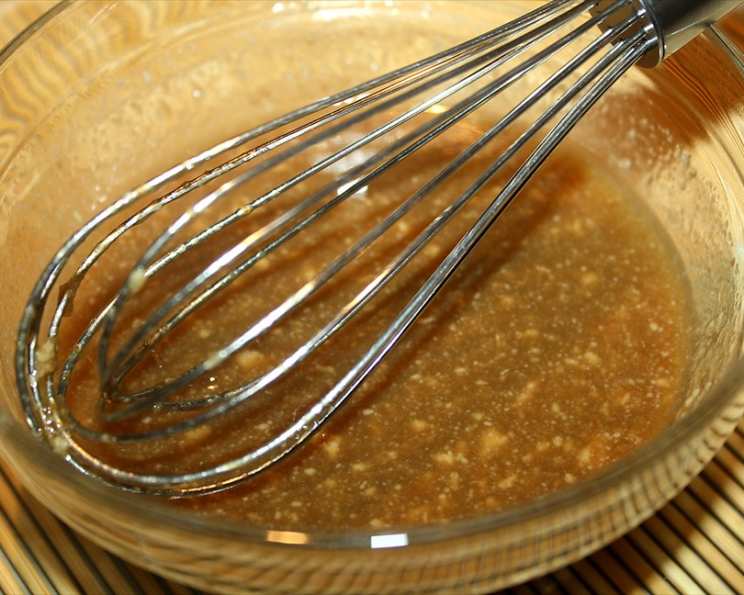
Ginger-Peanut Dressing: An Asian-Inspired Delight
The first time I tasted a ginger-peanut dressing, I was in a tiny, unassuming Vietnamese cafe in San Francisco. The salad was simple – shredded cabbage, carrots, and a scattering of cilantro – but the dressing! That dressing transformed the ordinary into something extraordinary. It was vibrant, tangy, a little sweet, and profoundly satisfying. I remember spending the rest of the day trying to deconstruct the flavors in my mind, determined to recreate that magic at home. This recipe brings me right back to that little cafe, and I hope it does the same for you.
Recipe Overview
- Prep Time: 5 minutes
- Cook Time: 0 minutes
- Total Time: 5 minutes
- Servings: 6
- Yield: About 3/4 cup
- Dietary Type: Vegan (can be adjusted to gluten-free, see variations)
Ingredients
- 1/4 cup honey
- 1/4 cup vegetable oil
- 1/4 cup rice wine vinegar (unseasoned)
- 1 tablespoon soy sauce (I use Tamari)
- 1 teaspoon sesame oil
- 1 tablespoon peanut butter
- 1/2 teaspoon salt
- 1 tablespoon fresh ginger, minced
- 1 garlic clove, minced
Equipment Needed
- Small bowl
- Whisk (or fork)
- Measuring cups and spoons
- Garlic mincer or fine knife
- Ginger grater or fine knife
Instructions
- In a small bowl, combine the honey, vegetable oil, and rice wine vinegar.
- Add the soy sauce (or Tamari for gluten-free) and sesame oil.
- Incorporate the peanut butter. The peanut butter may initially resist mixing, so whisk vigorously.
- Add the salt, minced fresh ginger, and minced garlic.
- Continue to whisk until the peanut butter is fully dissolved and the dressing is smooth and emulsified. If the dressing seems too thick, add a teaspoon of water at a time until you reach your desired consistency.
- Taste and adjust seasonings as needed. You might want a touch more honey for sweetness, rice wine vinegar for tang, or soy sauce for umami.
Expert Tips & Tricks
- Fresh Ginger is Key: Using fresh ginger makes a huge difference in flavor compared to ground ginger. Mince it very finely or use a microplane grater to release its pungent aroma.
- Emulsification is Important: To achieve a smooth, creamy dressing, ensure the peanut butter fully dissolves. If you’re having trouble, try warming the honey slightly before adding it to the other ingredients. Alternatively, a quick blitz in a blender or food processor will guarantee a perfectly emulsified dressing.
- Peanut Butter Selection: Creamy peanut butter works best in this recipe. Avoid using natural peanut butter that separates, as it can result in a grainy texture. If you only have natural peanut butter, make sure to stir it thoroughly before measuring.
- Adjusting the Sweetness: The amount of honey can be adjusted to your liking. If you prefer a less sweet dressing, start with 2 tablespoons of honey and add more as needed. For a sugar-free option, use a sugar substitute suitable for liquids.
- Spice it Up: For a little heat, add a pinch of red pepper flakes or a dash of Sriracha to the dressing.
Serving & Storage Suggestions
This ginger-peanut dressing is incredibly versatile. It’s perfect for tossing with Asian salads, such as those made with shredded cabbage, carrots, bell peppers, and edamame. It also works well as a dipping sauce for spring rolls, satay skewers, or grilled chicken. Drizzle it over noodles, use it as a marinade for tofu, or serve it as a sauce for stir-fries.
Storage: Store leftover dressing in an airtight container in the refrigerator. It will keep for up to 5 days. The dressing may thicken slightly when refrigerated, so whisk it well before serving, adding a teaspoon of water if needed to restore its original consistency. It is not recommended to freeze this dressing, as the texture may change upon thawing.
Nutritional Information
Note: Nutritional information is an estimate and can vary based on specific ingredients used.
| Nutrient | Amount per Serving | % Daily Value |
|---|---|---|
| Calories | 149 kcal | 7% |
| Total Fat | 11g | 14% |
| Saturated Fat | 2g | 10% |
| Cholesterol | 0mg | 0% |
| Sodium | 374mg | 16% |
| Total Carbohydrate | 13g | 5% |
| Dietary Fiber | 0g | 0% |
| Sugars | 12g | – |
| Protein | 1g | 2% |
Variations & Substitutions
- Gluten-Free: Use Tamari instead of soy sauce to make the dressing gluten-free.
- Nut-Free: Substitute the peanut butter with sunflower seed butter (sunbutter) or tahini. Be aware that this will significantly alter the flavor profile.
- Spicy: Add a pinch of red pepper flakes or a drizzle of Sriracha for a touch of heat.
- Creamy: Add a tablespoon of mayonnaise (vegan or regular) for a creamier texture.
- Citrusy: Replace 1 tablespoon of the rice wine vinegar with lime juice for a brighter, more citrusy flavor.
- Herbal: Stir in a tablespoon of finely chopped fresh cilantro, mint, or basil for added freshness.
- Maple-Ginger: Substitute maple syrup for the honey for a richer, more complex sweetness.
FAQs (Frequently Asked Questions)
Q: Can I make this dressing ahead of time?
A: Yes, this dressing can be made up to 5 days in advance. Store it in an airtight container in the refrigerator.
Q: My dressing is too thick. How can I thin it out?
A: Add a teaspoon of water at a time, whisking well after each addition, until you reach your desired consistency.
Q: Can I use ground ginger instead of fresh ginger?
A: While fresh ginger is highly recommended for the best flavor, you can substitute it with 1/2 teaspoon of ground ginger. Keep in mind that the flavor will be less vibrant.
Q: Is this dressing vegan?
A: Yes, as written, this recipe is vegan. Ensure that your peanut butter and soy sauce are also vegan.
Q: Can I use a different type of oil?
A: Yes, you can substitute vegetable oil with other neutral-flavored oils such as canola oil, grapeseed oil, or avocado oil. Avoid using olive oil, as its strong flavor can overpower the other ingredients.
Final Thoughts
This Ginger-Peanut Dressing is more than just a condiment; it’s a flavor adventure waiting to happen. It’s a simple recipe that delivers a big punch, transforming everyday meals into something special. Whether you’re drizzling it over a vibrant salad, using it as a marinade, or dipping your favorite snacks, I hope this dressing brings a little spark of joy to your table. Don’t hesitate to experiment with the variations and substitutions to create a dressing that perfectly suits your taste. I can’t wait to hear what you think!