
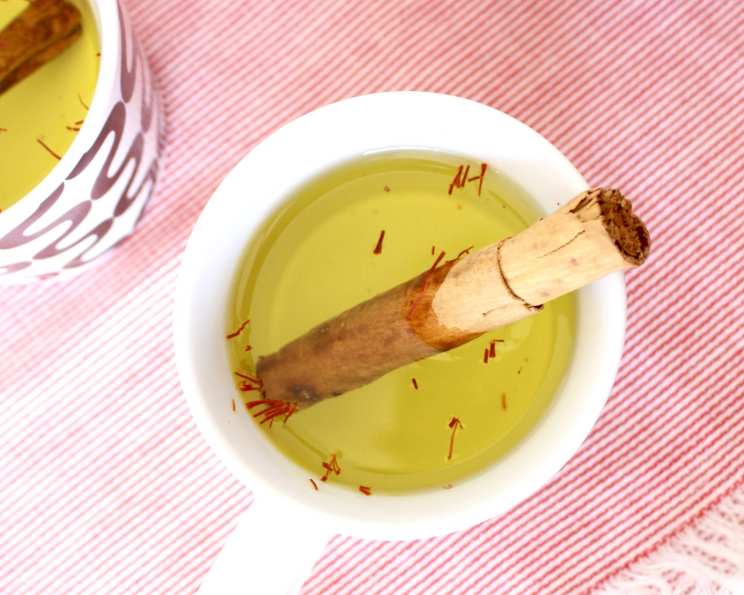
Ginger Saffron Tea: A Warming Elixir
The first time I encountered the magic of ginger and saffron together was during a particularly brutal winter in the Himalayas. A local Sherpa woman, noticing my shivering, offered me a steaming cup. The warmth spread through me instantly, chasing away the chill and filling me with a sense of well-being. The earthy ginger, brightened by the floral saffron, was a revelation. It wasn’t just a drink; it was a hug in a mug, a reminder that even in the harshest conditions, comfort and warmth can be found. From that day forward, Ginger Saffron Tea has been my go-to remedy for everything from a cold to a bad day, and I’m thrilled to share this simple yet incredibly soothing recipe with you.
Recipe Overview
- Prep Time: 5 minutes
- Cook Time: 20 minutes
- Total Time: 25 minutes
- Servings: 4
- Dietary Type: Vegan, Gluten-Free
Ingredients
- 4 cups water
- 2 to 3 inches fresh ginger
- 3 tablespoons honey (optional)
- Dash ground cinnamon (optional) or 4 cinnamon sticks (optional)
- Pinch of saffron strands
Equipment Needed
- Cutting board
- Knife
- Medium-sized pot
- Strainer
- Measuring cups and spoons
Instructions
-
Begin by preparing the ginger. Peel the ginger root using a vegetable peeler or the back of a spoon. Then, coarsely chop the ginger into smaller pieces. This will help release its flavor more effectively during the brewing process.
-
In a medium-sized pot, pour in the 4 cups of water. Add the chopped ginger and, if desired, the cinnamon (either a dash of ground cinnamon or 4 cinnamon sticks).
-
Bring the mixture to a boil over medium-high heat. Once boiling, reduce the heat to low.
-
Now, introduce the saffron. Add the saffron strands, cover the pot, and let it simmer gently for 15 minutes. The simmering allows the saffron to fully infuse its color and flavor into the water.
-
After the initial 15 minutes, uncover the pot, slightly increase the heat, and continue to simmer for an additional 5 minutes. This step further concentrates the flavors.
-
If you prefer a sweeter tea, add 3 tablespoons of honey (or more, to taste) during the last 5 minutes of simmering. Stir well to ensure the honey is completely dissolved. Remember, the honey is optional, so adjust the amount to your preference or omit it entirely.
-
Finally, strain the tea into 4 cups to remove the ginger pieces and cinnamon sticks. Serve immediately and enjoy the soothing warmth of your homemade Ginger Saffron Tea.
Expert Tips & Tricks
-
Ginger Intensity: Adjust the amount of ginger to suit your taste. If you prefer a stronger ginger flavor, use the full 3 inches of ginger root, or even add a bit more! For a milder tea, reduce the amount to 2 inches or less.
-
Saffron Bloom: For maximum saffron flavor and color, consider “blooming” the saffron before adding it to the pot. To do this, crush the saffron threads slightly between your fingers and place them in a small bowl with 2 tablespoons of warm water. Let them sit for about 10 minutes before adding the infused water and saffron to the tea.
-
Sweetness Control: Honey isn’t the only option! Agave nectar, maple syrup, or even a sugar substitute can be used to sweeten the tea. Feel free to experiment with different sweeteners to find your favorite.
-
Spice it Up: A pinch of cardamom or a few black peppercorns added along with the ginger and cinnamon can add a delightful complexity to the tea.
-
Fresh is Best: Always use fresh ginger for the best flavor. Ground ginger doesn’t provide the same vibrant taste and can sometimes have a slightly bitter edge.
-
Ginger Peel: Don’t discard the ginger peel! You can add it to soups, stews, or even make a separate ginger broth. It’s packed with flavor and nutrients.
-
Simmer, Don’t Boil: While the initial step involves bringing the water to a boil, it’s crucial to reduce the heat and simmer the tea gently afterwards. Boiling for an extended period can make the ginger taste bitter.
Serving & Storage Suggestions
Serve Ginger Saffron Tea hot in your favorite mug. A slice of lemon or a sprig of fresh mint can be added as a garnish for an extra touch of elegance. This tea is best enjoyed immediately after brewing, but if you have leftovers, they can be stored in an airtight container in the refrigerator for up to 2 days. To reheat, gently warm the tea on the stovetop or in the microwave. Avoid boiling, as this can alter the flavor. While refrigeration is possible, freshly brewed tea will always offer the most vibrant flavors and aroma.
Nutritional Information
| Nutrient | Amount per Serving | % Daily Value* |
|---|---|---|
| Calories | ~25 kcal | ~1% |
| Total Fat | 0 g | 0% |
| Saturated Fat | 0 g | 0% |
| Cholesterol | 0 mg | 0% |
| Sodium | 0 mg | 0% |
| Total Carbohydrate | ~6 g | ~2% |
| Dietary Fiber | 0 g | 0% |
| Sugars | ~6 g | |
| Protein | 0 g | 0% |
*Percent Daily Values are based on a 2000 calorie diet. Values are approximate and may vary depending on specific ingredients and preparation methods. These values assume 3 tablespoons of honey are used.
Variations & Substitutions
-
Lemon Ginger Saffron Tea: Add a squeeze of fresh lemon juice to each cup before serving for a bright and zesty twist.
-
Turmeric Ginger Saffron Tea: Incorporate a teaspoon of ground turmeric or a 1-inch piece of fresh turmeric root (peeled and chopped) along with the ginger for added anti-inflammatory benefits and a vibrant golden hue.
-
Masala Ginger Saffron Chai: Add a blend of warming spices like cardamom, cloves, and black peppercorns for a chai-inspired variation.
-
Iced Ginger Saffron Tea: Brew the tea as directed, then allow it to cool completely. Pour over ice and garnish with a slice of lemon or orange.
-
Ginger Saffron Latte: Combine equal parts of brewed Ginger Saffron Tea and warmed milk (dairy or non-dairy) for a creamy and comforting latte.
-
Use Jaggery instead of Honey: In place of honey, incorporate jaggery for an authentic Indian-inspired alternative.
FAQs (Frequently Asked Questions)
Q: Can I use ground ginger instead of fresh ginger?
A: While fresh ginger is highly recommended for its vibrant flavor, you can use ground ginger as a substitute. Use about 1 teaspoon of ground ginger for every 2 inches of fresh ginger. Keep in mind that the flavor will be less intense.
Q: How long will Ginger Saffron Tea last in the refrigerator?
A: Stored in an airtight container in the refrigerator, Ginger Saffron Tea will last for up to 2 days. However, the flavor may diminish slightly over time.
Q: Can I use saffron powder instead of saffron threads?
A: While saffron threads are preferred for their superior flavor and aroma, saffron powder can be used as a substitute. Use about 1/4 teaspoon of saffron powder for this recipe. Be aware that saffron powder is more likely to be adulterated, so purchase it from a reputable source.
Q: Can I make this tea without honey?
A: Absolutely! The honey is entirely optional. If you prefer a sugar-free tea, simply omit the honey. You can also use other natural sweeteners like agave nectar or maple syrup if desired.
Q: What are the health benefits of Ginger Saffron Tea?
A: Ginger is known for its anti-inflammatory and digestive properties, while saffron is believed to have mood-boosting and antioxidant effects. Together, they create a soothing and potentially health-supportive beverage.
Final Thoughts
I truly hope you’ll give this Ginger Saffron Tea recipe a try. It’s more than just a beverage; it’s a moment of self-care, a warm embrace from the inside out. Whether you’re battling a cold, seeking a moment of calm, or simply craving something delicious, this tea is sure to deliver. Experiment with the variations, adjust the sweetness to your liking, and let me know what you think! Perhaps you’ll discover a new favorite way to enjoy this ancient and healing blend. Consider pairing it with a slice of almond cake or a handful of toasted nuts for a truly comforting experience.