
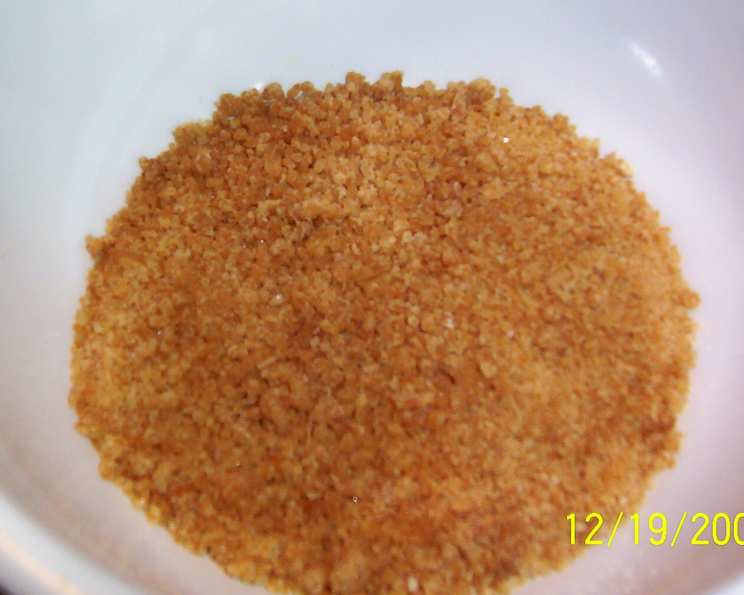
Crystallized Sunshine: The Magic of Homemade Ginger Sugar
I still remember the first time I tasted ginger sugar. It was at a local bakery, sprinkled atop a warm, crusty muffin. The subtle heat of the ginger danced on my tongue, perfectly complementing the sweetness of the sugar. It was a revelation – a simple yet brilliant way to elevate ordinary treats to something extraordinary. From that moment on, I was hooked, and I knew I had to learn how to make it myself. Now, years later, I’m excited to share my go-to recipe for this incredibly versatile ingredient.
Recipe Overview
- Prep Time: 5 minutes
- Cook Time: 5 minutes
- Dry Time: 24-48 hours
- Servings: Varies based on use
- Yield: Approximately 1/3 cup
- Dietary Type: Vegan, Gluten-Free
Ingredients
- 1/4 cup demerara sugar
- 1 tablespoon fresh gingerroot, finely grated
Equipment Needed
- Small bowl
- Baking dish
- Spoon or spatula
- Mortar and pestle (optional)
Instructions
- Preheat your oven to a very low temperature, 200 degrees F (93 degrees C). This gentle heat helps the sugar and ginger meld without burning.
- In a small bowl, thoroughly combine the demerara sugar and the finely grated gingerroot. Ensure the ginger is evenly distributed throughout the sugar. A microplane is ideal for grating the ginger into a fine, almost paste-like consistency, which will integrate beautifully with the sugar.
- Spread the ginger-sugar mixture evenly in a thin layer, approximately 1/4 inch thick, across the bottom of a baking dish. A small baking sheet or even a pie plate will work. The key is to create a uniform layer for even melting.
- Place the baking dish in the preheated oven for just about 5 minutes. The goal is to gently warm the mixture, allowing the sugar to slightly melt and fuse with the ginger. Keep a close eye on it! You don’t want the sugar to completely liquefy or caramelize.
- Remove the baking dish from the oven and immediately stir the mixture vigorously with a spoon or spatula. This ensures that the melted sugar and ginger are thoroughly combined, preventing clumping as it cools.
- Spread the mixture back out in the baking dish, breaking up any large clumps.
- Let the ginger sugar cool and dry completely at room temperature. This is a crucial step, as it allows the sugar to crystallize and develop its signature crunchy texture. This process can take anywhere from 24 to 48 hours, depending on the humidity in your environment.
- During the drying process, stir the mixture occasionally to help break up any large clumps and promote even drying.
- Once the ginger sugar is completely dry and crunchy, you can grind it to your desired texture. For a fine powder, use a mortar and pestle or a spice grinder. Alternatively, for a slightly coarser texture, simply crush it with the back of a fork.
Expert Tips & Tricks
- Ginger Quality: The quality of your ginger will significantly impact the final flavor. Opt for fresh, firm gingerroot with a vibrant aroma. Avoid ginger that is shriveled or has soft spots.
- Sugar Selection: While the recipe calls for demerara sugar, you can experiment with other types of sugar. Turbinado sugar offers a similar texture and caramel-like flavor. Granulated sugar can also be used, but the final product might be slightly less crunchy.
- Oven Watch: Keep a close eye on the sugar in the oven to prevent burning. If you notice the sugar melting too quickly, reduce the oven temperature slightly or shorten the baking time.
- Drying Time: Humidity can significantly affect the drying time. In humid environments, consider using a dehumidifier or placing the ginger sugar in a well-ventilated area to speed up the drying process.
- Flavor Infusions: Experiment with adding other spices to complement the ginger. A pinch of cardamom, cinnamon, or even a dash of cayenne pepper can add depth and complexity to the flavor profile.
Serving & Storage Suggestions
Ginger sugar is incredibly versatile and can be used in countless ways.
- Sprinkle it over muffins, scones, or cookies for a delightful crunchy topping.
- Use it to rim cocktail glasses for a festive and flavorful touch.
- Coat truffles or candies for a unique and sophisticated finish.
- Stir it into hot tea or coffee for a warming and invigorating beverage.
- Incorporate it into savory dishes, such as marinades for grilled chicken or fish, for a touch of sweetness and spice.
To store, keep your ginger sugar in an airtight container at room temperature. It will last for several weeks, if not months, as long as it’s protected from moisture. There’s no need to refrigerate or freeze it.
Nutritional Information
| Nutrient | Amount per Serving (approx. 1 tsp) | % Daily Value* |
|---|---|---|
| Calories | 15 kcal | 1% |
| Total Fat | 0g | 0% |
| Saturated Fat | 0g | 0% |
| Cholesterol | 0mg | 0% |
| Sodium | 0mg | 0% |
| Total Carbohydrate | 4g | 1% |
| Dietary Fiber | 0g | 0% |
| Sugars | 4g | 8% |
| Protein | 0g | 0% |
*Percent Daily Values are based on a 2,000 calorie diet.
Variations & Substitutions
- Spice it Up: Add a pinch of ground cinnamon, cardamom, or cloves to the sugar mixture for a warm, aromatic twist.
- Citrus Zest: Incorporate finely grated lemon, lime, or orange zest for a bright, citrusy note.
- Honey Ginger Sugar: Replace a portion of the demerara sugar with honey for a more complex sweetness and a slightly stickier texture. Add the honey after removing the sugar from the oven and stir well before drying.
- Maple Ginger Sugar: Use maple sugar instead of demerara sugar for a distinct maple flavor. Maple sugar tends to melt more easily, so keep a close eye on it in the oven.
- Coconut Ginger Sugar: Substitute coconut sugar for a lower glycemic index option with a subtle caramel flavor.
FAQs (Frequently Asked Questions)
Q: Can I use dried ginger instead of fresh ginger?
A: Fresh ginger is highly recommended for its vibrant flavor and moisture content, which helps the sugar bind together. Dried ginger will not provide the same results.
Q: My ginger sugar is clumping together. How can I prevent this?
A: Ensure the ginger is very finely grated and evenly distributed throughout the sugar. Stir the mixture thoroughly after heating and break up any large clumps during the drying process.
Q: How do I know when the ginger sugar is completely dry?
A: The ginger sugar is completely dry when it is hard and crunchy to the touch. It should easily break apart into individual crystals.
Q: Can I make a larger batch of ginger sugar?
A: Yes, you can easily scale up the recipe. Just be sure to spread the mixture in a thin, even layer in the baking dish to ensure even melting and drying.
Q: My oven runs hot. Can I still make this recipe?
A: Yes, but reduce the oven temperature to 175 degrees F (80 degrees C) and monitor the sugar closely to prevent burning.
Final Thoughts
Ginger sugar is more than just a sweetener; it’s a flavor enhancer, a textural delight, and a testament to the magic of simple ingredients. I encourage you to try this recipe and experiment with different variations to create your own signature blend. Whether you’re sprinkling it over your morning coffee or using it to coat a decadent dessert, homemade ginger sugar is sure to add a touch of sunshine to your day. I’d love to hear about your creations – share your experiences and photos! And consider pairing it with a comforting ginger tea for the ultimate ginger experience. Happy cooking!