
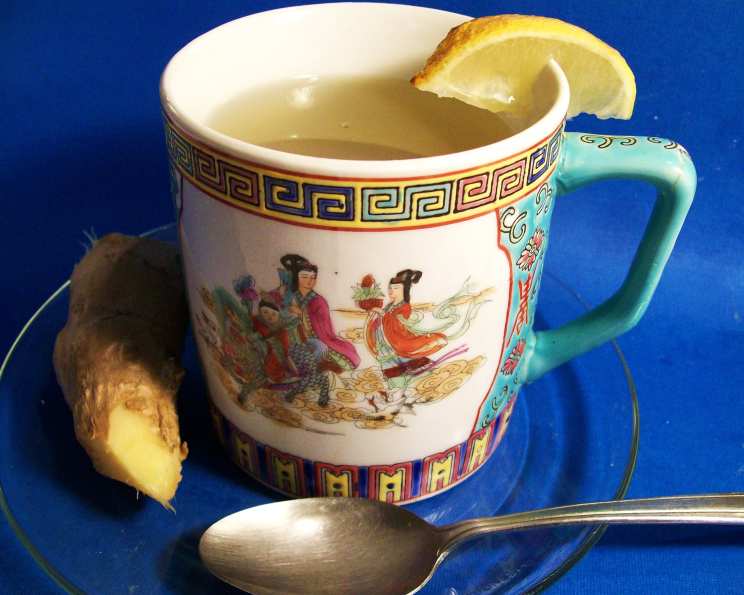
The Comforting Embrace of Ginger Tea: A Culinary Journey
I remember rainy afternoons spent at my grandmother’s house, the aroma of ginger simmering on the stove filling the air. She always had a pot brewing, believing in its power to soothe everything from a scratchy throat to a troubled mind. The warmth of the mug in my hands, the gentle spice tingling on my tongue – it was pure, unadulterated comfort. Now, decades later, I carry on that tradition, finding the same solace and invigoration in a simple cup of homemade ginger tea. It’s a taste of home, a hug in a mug, and a reminder of simpler times.
Recipe Overview
- Prep Time: 5 minutes
- Cook Time: 20 minutes
- Total Time: 25 minutes
- Servings: 1
- Yield: 1 cup
- Dietary Type: Vegan, Gluten-Free, Dairy-Free
Ingredients
- Fresh ginger
- Water
Equipment Needed
- Knife
- Cutting board
- Kettle or saucepan
- Teapot or mug
- Tea strainer or teaball (optional)
Instructions
- Begin by washing the ginger thoroughly. This removes any dirt or impurities clinging to the skin.
- Peel the ginger using a vegetable peeler or the edge of a spoon. Then, slice it thinly into small pieces. The thinner the slices, the more ginger flavor will be extracted.
- Boil the water. You can use a kettle for speed or a saucepan if you prefer.
- If using a teapot: Pour the boiled water into a teapot that you have already placed the freshly sliced ginger into. Put the lid on the teapot to stop the pot cooling down too quickly and to keep the aromatic ingredients in the tea. Steep for 10 – 15 minutes. This allows the ginger to infuse the water with its characteristic warmth and spice.
- If using a saucepan: If you boil the water in a saucepan rather than in a kettle, you can add the ginger to the saucepan and simmer for 15 – 20 minutes. This method yields a stronger, more concentrated ginger flavor. Let it sit for 5 minutes before pouring after simmering.
- If using a teaball: Use a teaball to hold the sliced ginger and steep in a cup for 15 minutes. This is a convenient option for single servings. Make sure to use a saucer to cover the top of the cup to prevent the aromatic elements from escaping.
- Strain the tea after steeping or boiling and serve. This removes the ginger pieces, leaving you with a smooth, flavorful beverage.
- Add sweeteners or flavor if desired. Honey, maple syrup, or lemon are popular choices.
- Drink hot, at room temperature, or cold – as preferred. Ginger tea is delicious in any season.
Expert Tips & Tricks
- Ginger Variety Matters: Different varieties of ginger will impart slightly different flavors. Young ginger has a milder, sweeter taste, while mature ginger is spicier and more pungent. Experiment to find your favorite.
- Boosting the Flavor: For an extra kick, add a pinch of black pepper while simmering or steeping. The piperine in black pepper enhances the bioavailability of ginger’s active compounds.
- Making a Concentrate: Simmer a larger quantity of ginger in a smaller amount of water for a longer period to create a ginger concentrate. Store this in the refrigerator and add a spoonful to hot water for a quick and potent ginger tea.
- Reducing Bitterness: If your ginger tea is too bitter, try using less ginger or reducing the simmering time. You can also add a squeeze of lemon juice to balance the flavor.
- Don’t Throw Away the Ginger: The leftover ginger pieces can be added to stir-fries, soups, or smoothies for an extra boost of flavor and nutrients.
Serving & Storage Suggestions
Ginger tea is best served hot, allowing you to fully appreciate its warming and aromatic qualities. Garnish with a slice of lemon, a sprig of mint, or a cinnamon stick for an elegant presentation.
Leftover ginger tea can be stored in the refrigerator for up to 24 hours. Reheat gently on the stovetop or in the microwave. While the flavor may diminish slightly over time, the tea will still retain its beneficial properties.
Freezing is not recommended, as it can alter the texture and flavor of the tea.
Nutritional Information
| Nutrient | Amount per Serving | % Daily Value* |
|---|---|---|
| Calories | 2 kcal | 0% |
| Total Fat | 0 g | 0% |
| Saturated Fat | 0 g | 0% |
| Cholesterol | 0 mg | 0% |
| Sodium | 0 mg | 0% |
| Total Carbohydrate | 0 g | 0% |
| Dietary Fiber | 0 g | 0% |
| Sugars | 0 g | 0% |
| Protein | 0 g | 0% |
| *Percent Daily Values are based on a 2000 calorie diet. |
Variations & Substitutions
- Lemon Ginger Tea: Add a squeeze of fresh lemon juice to your ginger tea for a refreshing and zesty twist.
- Honey Ginger Tea: Sweeten your ginger tea with honey for a soothing and comforting beverage. Manuka honey is particularly beneficial for sore throats.
- Turmeric Ginger Tea: Combine ginger with turmeric for a powerful anti-inflammatory and antioxidant boost. Add a pinch of black pepper to enhance the absorption of curcumin, the active compound in turmeric.
- Mint Ginger Tea: Add a few fresh mint leaves to your ginger tea for a cooling and refreshing flavor.
- Ginger Green Tea: Combine ginger with green tea for a healthy and energizing beverage.
- Spiced Ginger Tea: Add cinnamon sticks, cardamom pods, or cloves to your ginger tea for a warm and aromatic spice blend.
- For a stronger flavor: Use ginger powder instead of fresh ginger (start with 1/4 teaspoon per cup). Be aware that ginger powder has a more intense and slightly different flavor than fresh ginger.
FAQs (Frequently Asked Questions)
Q: How much ginger should I use for a cup of tea?
A: A good starting point is about 1-2 inches of fresh ginger, thinly sliced, per cup of water. Adjust to your personal preference.
Q: Can I use dried ginger instead of fresh?
A: Yes, you can use dried ginger powder, but the flavor will be different. Start with about 1/4 teaspoon of ginger powder per cup of water.
Q: Is ginger tea safe during pregnancy?
A: Ginger is generally considered safe in small amounts during pregnancy and can help with nausea. However, it’s always best to consult with your doctor or midwife before consuming it regularly.
Q: Can I add other herbs or spices to my ginger tea?
A: Absolutely! Feel free to experiment with different herbs and spices like lemon, honey, turmeric, mint, cinnamon, or cardamom to create your own unique blend.
Q: How long should I steep the ginger for?
A: Steeping for 10-15 minutes is usually sufficient to extract the flavor and beneficial compounds from the ginger. For a stronger flavor, you can steep it for longer, up to 20 minutes.
Final Thoughts
Ginger tea is more than just a beverage; it’s a simple ritual, a moment of self-care, and a connection to traditions passed down through generations. Whether you’re seeking relief from a cold, a boost of energy, or simply a warm and comforting drink, I encourage you to try this recipe and discover the magic of homemade ginger tea. Experiment with different variations, share it with loved ones, and let the soothing spice of ginger warm your body and soul. I’d love to hear about your own experiences and variations – share your feedback and let’s celebrate the simple joys of ginger tea together!