
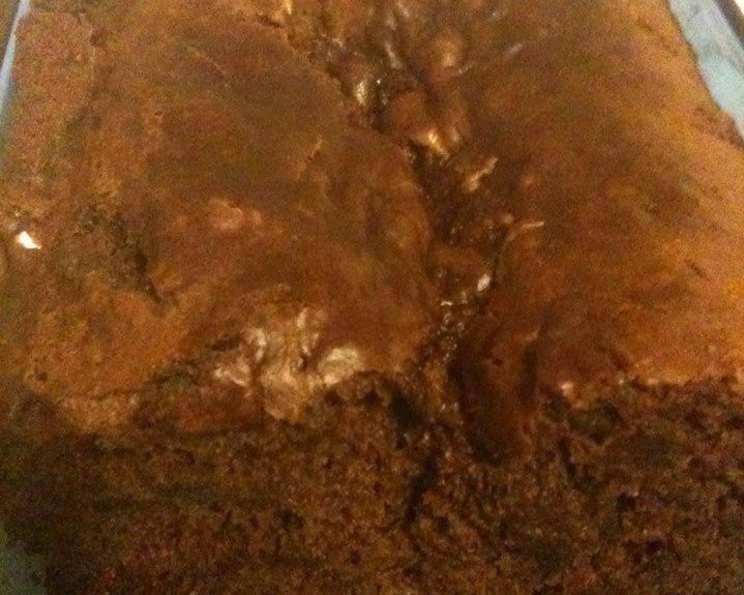
A Taste of History: Grandma’s Gingerbread (Pre-1940s)
The scent of gingerbread always transports me back to my grandmother’s kitchen. I remember being a small child, perched on a stool, watching her stir a dark, fragrant batter. The rich aroma of molasses and ginger would fill the air, promising a warm and comforting treat. It wasn’t just a dessert; it was a tangible link to generations past, a simple pleasure passed down through time. It smelled like home, like love, and like simpler times.
Recipe Overview
- Prep Time: 15 minutes
- Cook Time: 25 minutes
- Total Time: 40 minutes
- Servings: 24
- Dietary Type: Vegetarian (Can be adapted to Dairy-Free)
Ingredients
- 1 cup sour milk
- 1 3/4 teaspoons baking soda
- 1 cup molasses
- 2 1/4 cups flour
- 2 tablespoons butter, softened
- 2 teaspoons ginger
- 1 teaspoon salt
Equipment Needed
- Mixing bowls
- Measuring cups and spoons
- Sifter
- Greased baking pan (e.g., 9×13 inch)
- Oven
Instructions
- First, mix the baking soda into the sour milk. This will create a frothy mixture that helps give the gingerbread its light texture. The reaction between the baking soda and the acid in the sour milk is crucial for leavening.
- Add the molasses to the sour milk mixture and stir until well combined. Molasses is not just a sweetener; it also contributes significantly to the gingerbread’s characteristic flavor and dark color.
- In a separate bowl, sift together the flour, ginger, and salt. Sifting ensures that there are no lumps in the flour and that the dry ingredients are evenly distributed, which is important for a consistent texture.
- Combine the wet and dry ingredients. Gradually add the flour mixture to the molasses mixture, stirring until just combined. Be careful not to overmix, as this can result in a tough gingerbread.
- Add the softened butter to the batter and stir until it is fully incorporated. The butter adds richness and tenderness to the gingerbread. Using softened butter ensures that it mixes evenly into the batter.
- Pour the batter into a greased baking pan. A 9×13 inch pan works well, but you can adjust the size depending on the thickness you prefer for your gingerbread. Make sure the pan is well-greased to prevent the gingerbread from sticking.
- Bake in a preheated 350°F (175°C) oven for 25 minutes, or until a toothpick inserted into the center comes out clean. Baking times may vary depending on your oven, so it’s always a good idea to check for doneness a few minutes before the recommended time.
Expert Tips & Tricks
- For an extra moist gingerbread: Add 1/4 cup of applesauce to the batter.
- If you don’t have sour milk: You can make your own by adding 1 tablespoon of lemon juice or vinegar to 1 cup of milk. Let it sit for 5-10 minutes until it curdles slightly.
- To prevent the edges from over-browning: Cover the pan loosely with aluminum foil during the last 10 minutes of baking.
- For a richer flavor: Use dark molasses instead of light molasses. Dark molasses has a more intense, robust flavor that complements the ginger beautifully.
- Spice it up: Add a pinch of ground cloves, nutmeg, or cinnamon to enhance the warmth of the gingerbread.
- Make ahead: The batter can be made a day in advance and stored in the refrigerator. Just be sure to bring it to room temperature before baking.
Serving & Storage Suggestions
This gingerbread is delicious served warm, either plain or with a dollop of whipped cream or a scoop of vanilla ice cream. It also pairs perfectly with a cup of hot coffee or tea.
- Storage: Store leftover gingerbread in an airtight container at room temperature for up to 3 days, or in the refrigerator for up to a week.
- Freezing: You can also freeze gingerbread for longer storage. Wrap it tightly in plastic wrap and then in aluminum foil, or place it in a freezer bag. It can be frozen for up to 2-3 months. Thaw it in the refrigerator overnight before serving.
- Reheating: To reheat, wrap a slice of gingerbread in foil and warm in a 350°F oven for about 5-10 minutes, or until heated through. You can also microwave it for a few seconds, but be careful not to overheat it.
Nutritional Information
(Estimated values per serving)
| Nutrient | Amount per Serving | % Daily Value |
|---|---|---|
| Calories | 120 kcal | 6% |
| Total Fat | 2g | 3% |
| Saturated Fat | 1g | 5% |
| Cholesterol | 5mg | 2% |
| Sodium | 150mg | 7% |
| Total Carbohydrate | 25g | 8% |
| Dietary Fiber | 0.5g | 2% |
| Sugars | 12g | |
| Protein | 1g | 2% |
Variations & Substitutions
- Dairy-Free: Substitute the butter with a dairy-free margarine or shortening. Replace the sour milk with a mixture of plant-based milk (such as almond or soy milk) and 1 tablespoon of lemon juice or vinegar.
- Gluten-Free: Use a gluten-free flour blend. You may need to add a binder such as xanthan gum to improve the texture.
- Spiced Gingerbread: Add 1/2 teaspoon of ground cloves and 1/4 teaspoon of ground nutmeg for a more complex flavor profile.
- Lemon Gingerbread: Add the zest of one lemon to the batter for a bright, citrusy twist.
- Maple Gingerbread: Substitute half of the molasses with maple syrup for a slightly different flavor.
- Iced Gingerbread: Once the gingerbread is cooled, top it with a simple powdered sugar glaze for added sweetness and decoration.
FAQs (Frequently Asked Questions)
Q: Why is sour milk used in this recipe?
A: Sour milk provides acidity that reacts with the baking soda, helping the gingerbread rise and creating a light, airy texture. The acidity also tenderizes the gluten in the flour.
Q: Can I use self-rising flour instead of regular flour and baking soda?
A: It’s not recommended. Self-rising flour has a specific ratio of flour, baking powder, and salt. Using it in this recipe could throw off the balance of ingredients and affect the final texture.
Q: How do I know when the gingerbread is done baking?
A: Insert a toothpick into the center of the gingerbread. If it comes out clean or with just a few moist crumbs attached, it’s done. If it comes out with wet batter, continue baking for a few more minutes and check again.
Q: Can I make this recipe in a different size pan?
A: Yes, but you may need to adjust the baking time. For a smaller pan, the gingerbread will be thicker and require a longer baking time. For a larger pan, it will be thinner and require a shorter baking time.
Q: Why did my gingerbread turn out dry?
A: Overbaking is the most common cause of dry gingerbread. Be sure to check for doneness regularly during baking. Also, ensure you are using the correct measurements for the ingredients.
Final Thoughts
This classic gingerbread recipe is more than just a dessert; it’s a connection to the past, a taste of tradition, and a reminder of simpler times. Its comforting aroma and warm, spicy flavor are sure to bring joy to your kitchen and your heart. I encourage you to try this recipe and experience the timeless appeal of Grandma’s Gingerbread. Feel free to adjust the spices to your liking and share your creations with family and friends. Enjoy every bite!