
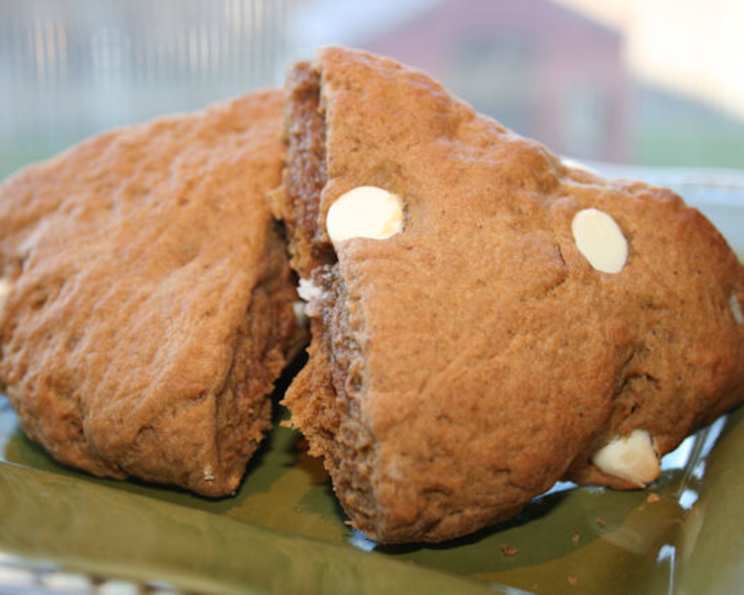
Gingerbread Scones: A Spiced Delight
The scent of gingerbread has always been pure magic to me, instantly transporting me back to my grandmother’s cozy kitchen during the holidays. Her gingerbread cookies were legendary, but it was the warmth of the spices – cinnamon, ginger, and cloves – that truly captured the essence of the season. Inspired by those cherished memories, I’ve crafted these Gingerbread Scones, a delightful twist on a classic treat that perfectly captures the comforting flavors of gingerbread in a tender, crumbly scone. These aren’t just scones; they’re a warm hug on a chilly morning.
Recipe Overview
- Prep Time: 15 minutes
- Cook Time: 10 minutes
- Total Time: 25 minutes
- Servings: 12-16
- Yield: 12-16 scones
- Dietary Type: Vegetarian
Ingredients
- 1/3 cup milk
- 1/3 cup light molasses
- 2 cups all-purpose flour
- 2 teaspoons baking powder
- 1/4 teaspoon baking soda
- 1 teaspoon ground cinnamon
- 1 teaspoon ground ginger
- 1/4 teaspoon ground cloves
- 7 tablespoons unsalted butter, cold, cut into pieces
Equipment Needed
- Large bowl
- Glass measuring cup
- Fork
- Pastry blender or your fingers
- Lightly floured surface
- Cookie sheet
- Wire rack
- Cloth
Instructions
-
Begin by preheating your oven to 425 degrees F. This high temperature is crucial for achieving that desirable golden-brown crust and fluffy interior.
-
In a glass measuring cup, measure out 1/3 cup of milk. Then, add light molasses to the cup until it reaches the 2/3 cup mark. Stir the milk and molasses together until well combined. This mixture will provide moisture and the signature gingerbread flavor.
-
In a large bowl, whisk together the dry ingredients: 2 cups all-purpose flour, 2 teaspoons baking powder, 1/4 teaspoon baking soda, 1 teaspoon ground cinnamon, 1 teaspoon ground ginger, and 1/4 teaspoon ground cloves. Ensure all the spices are evenly distributed throughout the flour.
-
Add the 7 tablespoons of cold, unsalted butter (cut into pieces) to the dry ingredients. Using a pastry blender or your fingertips, cut or rub the butter into the flour mixture until it resembles fine granules. The smaller the pieces of butter, the flakier your scones will be. Working quickly is essential to keep the butter cold.
-
Pour the milk and molasses mixture into the bowl with the flour and butter. Using a fork, gently stir the ingredients together until a smooth, rather soft dough forms. Be careful not to overmix, as this can result in tough scones.
-
Turn the dough out onto a lightly floured surface. Give the dough 10-12 gentle kneads. This will help to bring the dough together and develop a slightly smoother texture.
-
Cut the dough in half. Knead each half briefly into a ball. Turn each ball smooth side up and place them on an ungreased cookie sheet.
-
Pat each piece of dough into a 5-inch circle. Using a knife or bench scraper, cut each circle into 6-8 wedges, leaving the sides touching. This creates the traditional scone shape.
-
Bake for about 10 minutes, or until the scones are medium brown. Keep a close eye on them, as oven temperatures can vary. Do not overbake, as this will result in dry scones.
-
Once baked, cool the scones loosely wrapped in a cloth on a wire rack. This will help retain their moisture and prevent them from becoming overly crisp.
Expert Tips & Tricks
- For an extra touch of sweetness, consider brushing the tops of the scones with a bit of melted butter and sprinkling them with coarse sugar before baking.
- If you prefer a more intense ginger flavor, you can add a teaspoon of grated fresh ginger to the dough.
- To make these scones ahead of time, you can prepare the dough up to the point of baking. Cover it tightly with plastic wrap and refrigerate for up to 24 hours. When ready to bake, simply cut the dough into wedges and bake as directed.
- If you find that your dough is too sticky to work with, add a tablespoon or two of flour at a time until it reaches a manageable consistency.
Serving & Storage Suggestions
These Gingerbread Scones are best served warm, fresh from the oven. They are delicious on their own, or with a dollop of whipped cream, clotted cream, or a drizzle of maple syrup. They also pair well with a cup of hot tea or coffee.
To store leftover scones, wrap them tightly in an airtight container and keep them at room temperature for up to 2 days. For longer storage, you can freeze them for up to 2 months. To reheat, simply thaw the scones and warm them in a preheated oven at 350 degrees F for a few minutes.
Nutritional Information
| Nutrient | Amount per Serving | % Daily Value |
|---|---|---|
| Calories | 168.3 kcal | N/A |
| Calories from Fat | 64 | 39% |
| Total Fat | 7.2 g | 11% |
| Saturated Fat | 4.5 g | 22% |
| Cholesterol | 18.8 mg | 6% |
| Sodium | 95 mg | 3% |
| Total Carbohydrate | 23.7 g | 7% |
| Dietary Fiber | 0.7 g | 2% |
| Sugars | 5.3 g | N/A |
| Protein | 2.5 g | 4% |
Note: Nutritional information is an estimate and may vary based on specific ingredients and portion sizes.
Variations & Substitutions
- Spiced Glaze: Whisk together powdered sugar, milk, and a pinch of ground cinnamon for a simple glaze to drizzle over the cooled scones.
- Citrus Zest: Add the zest of an orange or lemon to the dough for a bright, citrusy twist.
- Dried Fruit: Incorporate 1/2 cup of chopped dried cranberries or raisins for added texture and sweetness.
- Gluten-Free: Substitute a gluten-free all-purpose flour blend for the regular flour. You may need to adjust the amount of liquid depending on the blend used.
- Dairy-Free: Use a plant-based milk alternative (such as almond or soy milk) and a vegan butter substitute.
FAQs (Frequently Asked Questions)
Q: Can I use a different type of molasses?
A: While light molasses is recommended for its milder flavor, you can use dark molasses for a richer, more intense gingerbread flavor. Keep in mind that dark molasses can be quite strong, so you may want to use slightly less.
Q: How can I prevent my scones from becoming dry?
A: Avoid overbaking the scones. They should be lightly golden brown and still slightly soft to the touch. Also, be careful not to overmix the dough, as this can develop the gluten and result in tougher scones.
Q: Can I freeze the baked scones?
A: Yes, you can freeze baked scones. Allow them to cool completely, then wrap them individually in plastic wrap and place them in a freezer-safe bag or container. They can be frozen for up to 2 months.
Q: Why are my scones not rising properly?
A: Make sure your baking powder and baking soda are fresh. Also, ensure that your oven is preheated to the correct temperature before baking.
Q: Can I make these scones without a pastry blender?
A: Yes, you can use your fingertips to rub the butter into the flour mixture. Just be sure to work quickly to keep the butter cold.
Final Thoughts
These Gingerbread Scones are more than just a recipe; they’re a gateway to cozy memories and the comforting flavors of the holidays. I encourage you to try this recipe and experience the delightful blend of spices and textures for yourself. Don’t hesitate to experiment with variations and make them your own. Serve them alongside a warm cup of coffee or tea, and share the joy with friends and family. Let me know what you think – I’d love to hear about your baking adventures!