
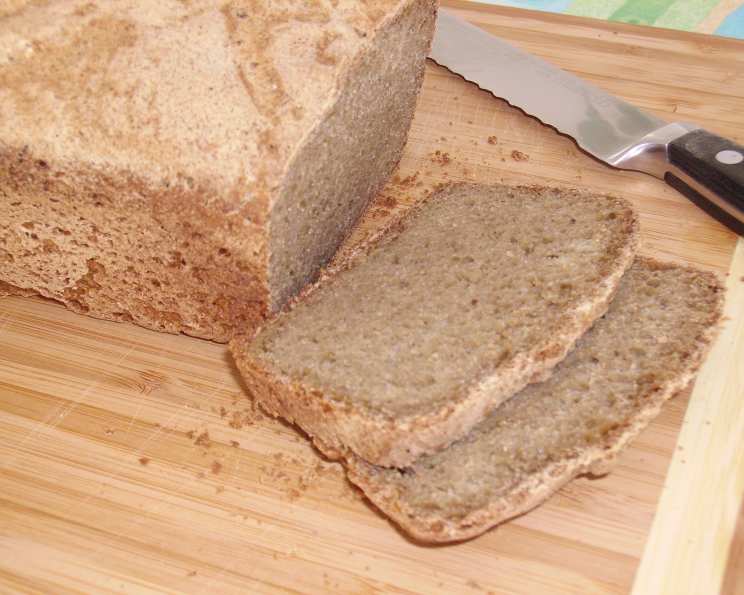
Gingerbread Yeast Bread (ABM): A Slice of Holiday Cheer
The scent of gingerbread always transports me back to my grandmother’s cozy kitchen during the holidays. She’d spend days baking an elaborate gingerbread house, the warm, spicy aroma filling the entire house. While her gingerbread house was a masterpiece of architectural confectionery, the simple gingerbread loaf she’d often bake alongside it was just as magical. This recipe is my attempt to capture that comforting memory in a sliceable, toastable, every-day-enjoyable bread. And best of all, my trusty bread machine does most of the work!
Recipe Overview
- Prep Time: 15 minutes
- Cook Time: 4 hours 10 minutes (approximate, including machine cycles)
- Total Time: 4 hours 25 minutes (approximate)
- Yields: 1 loaf
- Serves: 10
- Dietary Type: Vegetarian (easily adaptable to dairy-free)
Ingredients
- ¾ cup milk
- ¼ cup molasses
- 1 egg
- 3 tablespoons butter
- 3 ⅓ cups white bread flour
- 1 tablespoon brown sugar
- ¾ teaspoon salt
- ¾ teaspoon cinnamon
- ¾ teaspoon ginger
- 2 ¼ teaspoons active dry yeast
Equipment Needed
- Bread machine
Instructions
-
Precisely measure all ingredients, as accuracy is key for successful bread making in a bread machine.
-
Refer to your bread machine’s manual for the recommended order of ingredient placement. Generally, it’s best to add wet ingredients first, followed by dry ingredients, with the yeast added last, often in a small well on top of the flour, away from the salt.
-
Pour the milk into the bread machine pan.
-
Add the molasses to the pan.
-
Crack the egg into the pan.
-
Add the butter to the pan.
-
Carefully measure and add the white bread flour to the pan, ensuring an even layer.
-
Sprinkle the brown sugar evenly over the flour.
-
Add the salt to one corner of the pan.
-
Sprinkle the cinnamon and ginger over the flour.
-
Make a small well in the center of the flour and add the active dry yeast. This prevents the yeast from activating prematurely.
-
Secure the bread machine pan into the machine according to the manufacturer’s instructions.
-
Select the appropriate setting on your bread machine. Use the medium crust setting or the equivalent setting on your machine. The time for baking may vary according to your machine model.
-
Start the bread machine and allow it to complete its cycle. This cycle typically includes kneading, rising, and baking.
-
Once the baking cycle is complete, carefully remove the bread machine pan from the machine using oven mitts.
-
Turn the pan upside down and gently shake or tap it to release the gingerbread yeast bread. Be careful, as the pan and bread will be hot.
-
Place the bread on a wire rack to cool completely before slicing. This prevents the bread from becoming soggy.
Expert Tips & Tricks
-
Ingredient Temperature: Ensure your milk and egg are at room temperature. This promotes better yeast activity and a more even rise.
-
Flour Power: Using bread flour is crucial for this recipe because of its high gluten content, which gives the bread its structure and chewiness. All-purpose flour can be used in a pinch, but the texture might be slightly different.
-
Yeast Freshness: Always check the expiration date on your yeast. Inactive yeast will result in a flat, dense loaf.
-
Molasses Matters: Dark molasses provides a richer, more intense flavor. Light molasses offers a milder sweetness. Experiment to find your preference.
-
Dough Check (If Possible): If your bread machine allows you to observe the dough during the kneading cycle, check to ensure it forms a smooth, elastic ball. If the dough is too dry, add a teaspoon of water at a time until it reaches the correct consistency. If it’s too sticky, add a teaspoon of flour at a time. However, try to avoid opening the lid during baking.
-
Cooling is Key: Resist the temptation to slice into the bread while it’s still hot. Allowing it to cool completely allows the crumb to set, resulting in cleaner slices.
Serving & Storage Suggestions
Serve this gingerbread yeast bread toasted with butter, cream cheese, or a simple lemon glaze. It’s also delicious as part of a breakfast sandwich with eggs and bacon.
Store the cooled bread in an airtight container at room temperature for up to 3 days. For longer storage, wrap the bread tightly in plastic wrap and freeze it for up to 2 months. To thaw, let it sit at room temperature for several hours or overnight.
To refresh day-old bread, lightly toast it or warm it in a low oven (300°F) for a few minutes.
Nutritional Information
Note: Nutritional information is an estimate and may vary based on specific ingredients and serving size.
| Nutrient | Amount per Serving | % Daily Value |
|---|---|---|
| Calories | 235 kcal | N/A |
| Total Fat | 5 g | 7% |
| Saturated Fat | 3 g | 14% |
| Cholesterol | 30 mg | 10% |
| Sodium | 226 mg | 9% |
| Total Carbohydrate | 41 g | 14% |
| Dietary Fiber | 2 g | 5% |
| Sugars | 6 g | N/A |
| Protein | 6 g | 12% |
Variations & Substitutions
-
Dairy-Free: Substitute the milk with almond milk, soy milk, or oat milk. Replace the butter with a dairy-free butter substitute or coconut oil.
-
Spicier Bread: Add a pinch of ground cloves or nutmeg to the batter for an extra layer of warmth.
-
Sweet Treat: Drizzle a simple icing made from powdered sugar and lemon juice over the cooled bread. You can also add chopped candied ginger or nuts to the icing for added texture and flavor.
-
Festive Swirl: Before baking, gently swirl in a ribbon of cream cheese filling (softened cream cheese, sugar, and vanilla extract) for a decadent twist.
-
Whole Wheat Version: Substitute up to half of the white bread flour with whole wheat flour for a nuttier flavor and added fiber. You may need to add a little extra liquid if the dough seems dry.
FAQs (Frequently Asked Questions)
Q: Can I use instant yeast instead of active dry yeast?
A: Yes, you can. Use the same amount (2 ¼ teaspoons). You can add instant yeast directly to the flour without proofing it first.
Q: My bread came out dense and didn’t rise properly. What went wrong?
A: This could be due to several factors: old or inactive yeast, using the wrong type of flour, or not enough liquid in the dough. Make sure your yeast is fresh, use bread flour, and carefully measure your wet ingredients.
Q: Can I add raisins or other dried fruits to the bread?
A: Yes! Add about ½ cup of raisins, chopped dates, or other dried fruits to the bread machine pan along with the other ingredients.
Q: The crust is too dark. How can I prevent this?
A: Some bread machines have a crust control setting. Choose a lighter setting. If not, try covering the top of the bread with foil during the last 15-20 minutes of baking.
Q: Can I make this recipe without a bread machine?
A: Yes, but it will require more work. Combine the ingredients, knead the dough until smooth, let it rise in a warm place, then bake in a preheated oven at 350°F (175°C) for about 30-40 minutes, or until golden brown.
Final Thoughts
This Gingerbread Yeast Bread is more than just a recipe; it’s an invitation to create cozy moments and fill your home with the comforting aroma of the holidays, any time of year. Whether you’re enjoying a slice with your morning coffee or sharing it with loved ones, I hope this bread brings you as much joy as it brings me. Don’t hesitate to experiment with the variations and make it your own! I’d love to hear your feedback and see your creations – happy baking!