
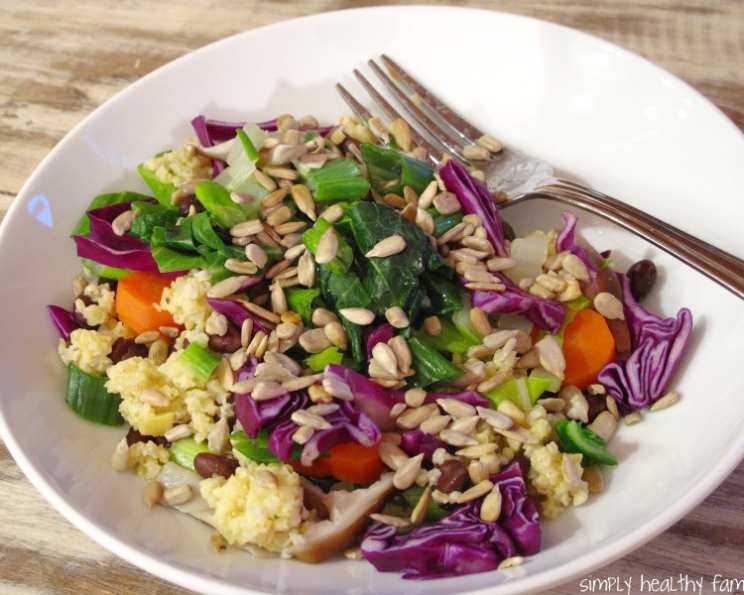
Gingered Millet With Japanese Veggies: A Symphony of Flavors
I remember the first time I tasted millet. It was at a small, unassuming macrobiotic restaurant tucked away in Kyoto, Japan. The chef, a wizened old woman with twinkling eyes, served a dish that looked simple enough – grains, vegetables, a light dressing. But the explosion of flavor, the delicate dance of textures, was unlike anything I had experienced before. The secret, she told me with a gentle smile, was in treating each ingredient with respect, allowing its natural essence to shine. This gingered millet with Japanese veggies is my attempt to capture that same magic, bringing a taste of that serene Kyoto kitchen to your home.
Recipe Overview
- Prep Time: 20 minutes
- Cook Time: 35 minutes
- Total Time: 55 minutes
- Servings: 4-6
- Yield: About 8 cups
- Dietary Type: Vegan, Gluten-Free
Ingredients
- 1 cup millet
- 1 (15 ounce) can black beans, drained and rinsed
- 2-3 tablespoons minced fresh ginger
- 1/4 teaspoon sea salt
- 3 cups water
- 1 cup shiitake mushrooms, sliced 1/4 inch thick
- 2 medium carrots, peeled and cut into 1/4-inch-thick rounds
- 1 small bok choy, chopped and rinsed well under cool water
- 1/2 cup shredded red cabbage
- 3 scallions, thinly sliced
- Freshly ground black pepper
- 2 tablespoons toasted sunflower seeds
- 3 tablespoons sesame oil
- 3 tablespoons undistilled apple cider vinegar
Equipment Needed
- Small saucepan
- Steamer basket and pot
- Small bowl
- Fork
Instructions
- In a small saucepan, combine the millet, minced fresh ginger, sea salt, and water.
- Bring the mixture to a boil over high heat. Once boiling, stir once to combine everything.
- Reduce the heat to low, cover the saucepan, and simmer for 25 minutes. It is essential to keep the lid on tight to trap the steam. This helps the millet cook evenly and absorb the water properly.
- After 25 minutes, remove the saucepan from the heat and let it rest, covered, for 10 minutes. This allows the millet to fully absorb any remaining liquid and become perfectly fluffy.
- After resting, fluff the millet with a fork. Gently stir in the drained and rinsed black beans.
- Prepare your steamer. Bring water to a boil in the bottom pot.
- Place the sliced shiitake mushrooms in the steamer basket. Cover and steam over boiling water for 3 minutes.
- Add the carrot rounds and chopped bok choy to the steamer basket with the mushrooms. Cover and continue steaming for another 4 to 6 minutes, or until the carrots are tender-crisp and the bok choy is wilted but still retains some bite. Do not overcook the vegetables, as they will become mushy.
- Remove the steamer basket from the heat.
- In a small bowl, whisk together the sesame oil and apple cider vinegar to make the dressing. Season with a dash of salt to taste.
- Transfer the cooked millet and black bean mixture to individual bowls.
- Garnish each bowl with the steamed vegetables (shiitake mushrooms, carrots, and bok choy), shredded red cabbage, and thinly sliced scallions.
- Season to taste with salt and freshly ground black pepper.
- Pour the sesame oil and apple cider vinegar dressing over the top of each bowl.
- Sprinkle with toasted sunflower seeds for added texture and flavor. Serve immediately.
Expert Tips & Tricks
- Ginger Boost: For a more intense ginger flavor, finely grate some fresh ginger directly over the finished dish.
- Millet Perfection: To prevent the millet from sticking to the bottom of the pot, use a heavy-bottomed saucepan.
- Vegetable Variations: Feel free to experiment with other vegetables, such as asparagus, snow peas, or edamame.
- Make-Ahead Meal: You can cook the millet and steam the vegetables ahead of time. Store them separately in the refrigerator and combine them just before serving.
- Dressing Adjustment: Taste the dressing and adjust the amount of sesame oil and apple cider vinegar to your preference. Some people prefer a tangier dressing, while others prefer a milder one.
- Toast the Seeds: Toasting the sunflower seeds brings out their nutty flavor and adds a pleasant crunch. Toast them in a dry skillet over medium heat for a few minutes, until they are lightly golden brown and fragrant. Watch them carefully, as they can burn quickly.
- Spice it Up: Add a pinch of red pepper flakes to the dressing for a little heat.
Serving & Storage Suggestions
Serve the gingered millet with Japanese veggies immediately for the best flavor and texture. This dish is excellent on its own as a light lunch or dinner, or as a side dish to grilled tofu or tempeh.
Leftovers can be stored in an airtight container in the refrigerator for up to 3 days. Reheat gently in a saucepan over low heat or in the microwave. You may need to add a splash of water to prevent the millet from drying out. While freezing is possible, the texture of the cooked millet and vegetables may change slightly upon thawing. If freezing, use a freezer-safe container and consume within 1 month.
Nutritional Information
| Nutrient | Amount per Serving | % Daily Value |
|---|---|---|
| Calories | 454.7 kcal | N/A |
| Calories from Fat | 139 g | 31% |
| Total Fat | 15.5 g | 23% |
| Saturated Fat | 2.2 g | 10% |
| Cholesterol | 0 mg | 0% |
| Sodium | 313.2 mg | 13% |
| Total Carbohydrate | 64.6 g | 21% |
| Dietary Fiber | 14.6 g | 58% |
| Sugars | 4.5 g | N/A |
| Protein | 17 g | 33% |
Note: Nutritional information is an estimate and may vary based on specific ingredients and preparation methods.
Variations & Substitutions
- Quinoa Substitution: If you don’t have millet, you can substitute it with quinoa. The cooking time may need to be adjusted slightly.
- Tamari/Soy Sauce: Instead of salt in the dressing, add a dash of low-sodium tamari or soy sauce for an umami boost.
- Different Beans: Try using edamame instead of black beans for a lighter flavor.
- Sesame Seeds: Sprinkle with sesame seeds instead of, or in addition to, sunflower seeds.
- Rice Vinegar: If you don’t have apple cider vinegar, rice vinegar is a great substitute.
- Seasonal Vegetables: Adapt the vegetables to what’s in season. In the fall, consider adding butternut squash or sweet potatoes. In the spring, try using asparagus or peas.
FAQs (Frequently Asked Questions)
Q: Can I use pre-cooked millet for this recipe?
A: Yes, you can use pre-cooked millet to save time. Simply adjust the cooking time accordingly. Add the pre-cooked millet to the saucepan with the black beans after steaming the vegetables.
Q: How can I make this dish spicier?
A: Add a pinch of red pepper flakes to the dressing or a dash of sriracha to the millet while cooking. You can also add some finely chopped chili peppers to the vegetables while steaming.
Q: Is it necessary to rinse the black beans?
A: Rinsing the black beans helps remove excess sodium and any starchy residue. It also makes them easier to digest.
Q: Can I use dried ginger instead of fresh ginger?
A: While fresh ginger is preferred for its brighter flavor, you can use dried ginger in a pinch. Use about 1 teaspoon of dried ginger for every tablespoon of fresh ginger.
Q: What if I don’t have a steamer basket?
A: You can use a metal colander placed inside a pot with a small amount of water. Make sure the bottom of the colander doesn’t touch the water. Cover the pot with a lid and steam the vegetables as directed.
Final Thoughts
This gingered millet with Japanese veggies is more than just a recipe; it’s an invitation to slow down, appreciate the simple pleasures of fresh ingredients, and experience the harmonious balance of flavors that define Japanese cuisine. I encourage you to try this recipe, experiment with different vegetables and variations, and make it your own. Let the flavors transport you to a peaceful Kyoto kitchen, and share your creations with those you love. Bon appétit!