
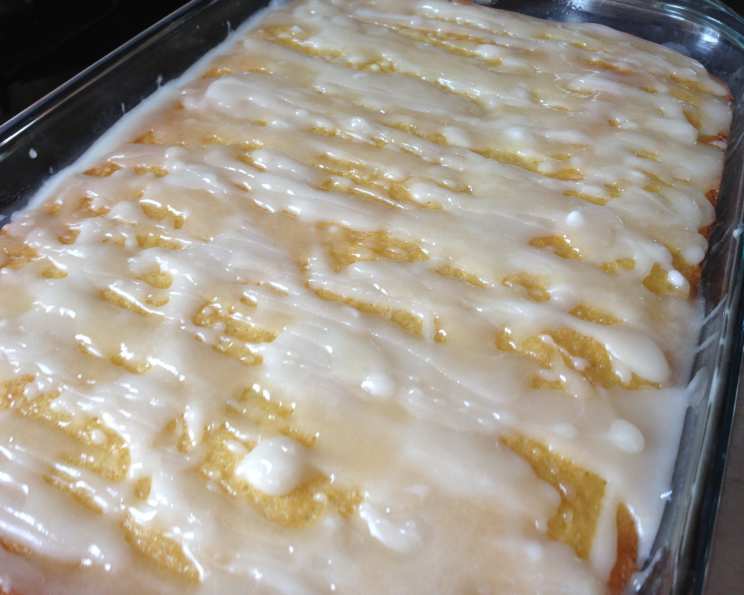
Glazed Lemon Cakes: A Burst of Sunshine in Every Bite
The memory is etched in my mind: the bright yellow tablecloth, the clinking of teacups, and the unmistakable aroma of lemon wafting through my grandmother’s sun-drenched kitchen. She always had a batch of these little lemon cakes ready, a sweet and tangy treat that perfectly complemented her sharp wit and warm embrace. Each bite was a taste of pure joy, a reminder of simple pleasures and the love that only a grandmother can provide. Now, years later, I carry on the tradition, baking these cakes not only for their incredible flavor but also to keep her memory alive.
Recipe Overview
- Prep Time: 15 minutes
- Cook Time: 15-20 minutes
- Total Time: 35 minutes
- Yields: 12 cupcakes
- Serves: 12
- Dietary Type: Vegetarian
Ingredients
For the Batter:
- ½ cup unsalted butter, room temperature
- 1 ½ cups all-purpose flour
- 2 teaspoons baking powder
- ½ teaspoon salt
- ½ cup plain low-fat yogurt (or ½ cup buttermilk)
- 1 teaspoon vanilla extract
- 1 lemon, zest and juice, Meyer lemon preferred
- 1 cup granulated sugar
- 2 large eggs
For the Glaze:
- 1 ½ cups confectioners’ sugar
- 2 tablespoons lemon juice, Meyer lemon preferred
Equipment Needed
- Standard muffin tin (12-cup capacity)
- Medium bowl
- Small bowl
- Electric mixer
- Whisk
- Wire rack
- Wax paper or parchment paper
- Small knife or offset spatula
Instructions
-
Preheat your oven to 350 degrees Fahrenheit (or 325 degrees Fahrenheit if using a convection bake setting). Make sure your oven rack is in the center position for even baking. Butter and flour a standard 12-cup muffin tin meticulously. This will prevent the cakes from sticking and ensure easy removal after baking.
-
In a medium bowl, whisk together the all-purpose flour, baking powder, and salt. This dry mixture needs to be thoroughly combined to evenly distribute the leavening agent (baking powder) and ensure a uniform rise in the cakes.
-
In a small bowl, whisk together the plain low-fat yogurt (or buttermilk), vanilla extract, lemon zest, and lemon juice. Set this mixture aside. The acidity in the lemon juice will react with the yogurt (or buttermilk), tenderizing the gluten in the flour and resulting in a more delicate cake.
-
With an electric mixer, cream the room temperature butter and granulated sugar in a large mixing bowl until the mixture is light and fluffy. This step incorporates air into the batter, contributing to the cake’s airy texture. The mixture should be noticeably paler and increased in volume.
-
Add the eggs one at a time to the butter and sugar mixture, beating well after each addition. Ensure each egg is fully incorporated before adding the next. This prevents the batter from curdling.
-
With the mixer on low speed, gradually add the flour mixture in three batches, alternating with two additions of the yogurt mixture, beginning and ending with the flour mixture. This prevents overmixing, which can lead to a tough cake. Mix until just combined; do not overmix.
-
Divide the batter evenly amongst the prepared muffin cups. A standard-level ice cream scoop works perfectly for portioning. Aim for each cup to be about two-thirds full.
-
Bake until a toothpick inserted into the center of a cake comes out clean. This usually takes 15-20 minutes (closer to 15 minutes with convection bake). Keep a close eye on the cakes during the last few minutes of baking to prevent them from drying out.
-
Cool the cakes for 10 minutes in the muffin tin. This allows them to firm up slightly, making them easier to remove. After 10 minutes, carefully transfer the cakes to a wire rack to cool completely.
-
Once the cakes are completely cool, set the rack over wax paper or parchment paper to catch any excess glaze.
-
In a small bowl, stir together the confectioners’ sugar with the remaining 2 tablespoons of lemon juice until smooth. If the glaze is too thick, add a tiny bit more lemon juice, a teaspoon at a time, until you reach the desired consistency.
-
Pour the glaze over the cooled cakes, spreading it to the edges with a small knife or offset spatula.
-
Let the glaze stand for 30 minutes before serving. This allows the glaze to set slightly.
Expert Tips & Tricks
- Room Temperature Matters: Make sure your butter is truly at room temperature. It should be soft enough to leave a slight indent when pressed but not melted. This ensures proper creaming with the sugar, resulting in a light and airy cake.
- Zest for Flavor: Don’t skimp on the lemon zest! It’s where most of the lemon flavor resides. Use a microplane zester to get the finest zest, avoiding the bitter white pith.
- Make-Ahead Magic: The cakes can be baked a day or two in advance. Store them in an airtight container at room temperature or freeze them for longer storage. Thaw completely before glazing.
- Glaze Consistency is Key: The glaze should be thick enough to coat the cakes but thin enough to spread easily. Adjust the amount of lemon juice to achieve the perfect consistency.
- Convection Oven Consideration: If using a convection oven, reduce the baking temperature by 25 degrees Fahrenheit to prevent the cakes from drying out.
Serving & Storage Suggestions
These glazed lemon cakes are best served at room temperature. They make a delightful addition to afternoon tea, baby showers, or any gathering where a touch of sweetness is desired. They also pair beautifully with fresh berries and a dollop of whipped cream.
Store leftover cakes in an airtight container at room temperature for up to 3 days or in the refrigerator for up to a week. For longer storage, freeze the cakes (unglazed) for up to 2 months. Thaw them completely before glazing and serving. To reheat, you can warm them gently in a low oven (around 200°F) for about 5-10 minutes.
Nutritional Information
| Nutrient | Amount per Serving | % Daily Value |
|---|---|---|
| Calories | 269.2 kcal | N/A |
| Calories from Fat | 79g | 29% |
| Total Fat | 8.8 g | 13% |
| Saturated Fat | 5.2 g | 26% |
| Cholesterol | 52 mg | 17% |
| Sodium | 178.4 mg | 7% |
| Total Carbohydrate | 45.2 g | 15% |
| Dietary Fiber | 0.6 g | 2% |
| Sugars | 32.3 g | N/A |
| Protein | 3.3 g | 6% |
Variations & Substitutions
- Gluten-Free: Substitute the all-purpose flour with a gluten-free blend. Make sure the blend contains xanthan gum for binding.
- Dairy-Free: Use a dairy-free yogurt alternative such as soy yogurt or coconut yogurt.
- Citrus Twist: Experiment with other citrus fruits like orange or lime. Replace the lemon juice and zest with equal amounts of orange or lime juice and zest.
- Poppy Seed Addition: Add 1-2 tablespoons of poppy seeds to the batter for a subtle nutty flavor and texture.
FAQs (Frequently Asked Questions)
Q: Can I use regular lemons instead of Meyer lemons?
A: Absolutely! Meyer lemons have a slightly sweeter and less acidic flavor, but regular lemons will work just fine. Adjust the amount of sugar in the batter if you find regular lemons too tart.
Q: My cakes are sticking to the muffin tin, what can I do?
A: Ensure you thoroughly butter and flour the muffin tin. You can also use muffin liners for easy removal.
Q: Can I freeze the glazed cakes?
A: It’s best to freeze the cakes before glazing. The glaze can become sticky or runny when thawed.
Q: My glaze is too thick. How can I thin it?
A: Add lemon juice, one teaspoon at a time, until you reach the desired consistency.
Q: How do I prevent the cakes from sinking in the middle?
A: Avoid overmixing the batter and ensure your oven temperature is accurate. Also, be careful not to open the oven door frequently during baking, as this can cause temperature fluctuations.
Final Thoughts
I truly hope you’ll give these glazed lemon cakes a try. They are a small indulgence that brings a burst of sunshine to any day. Feel free to experiment with different citrus fruits or add a sprinkle of poppy seeds for an extra touch of flavor. If you make them, I’d love to hear about your experience and any variations you try. Serve them with a cup of Earl Grey tea for the perfect afternoon treat! Happy baking!