
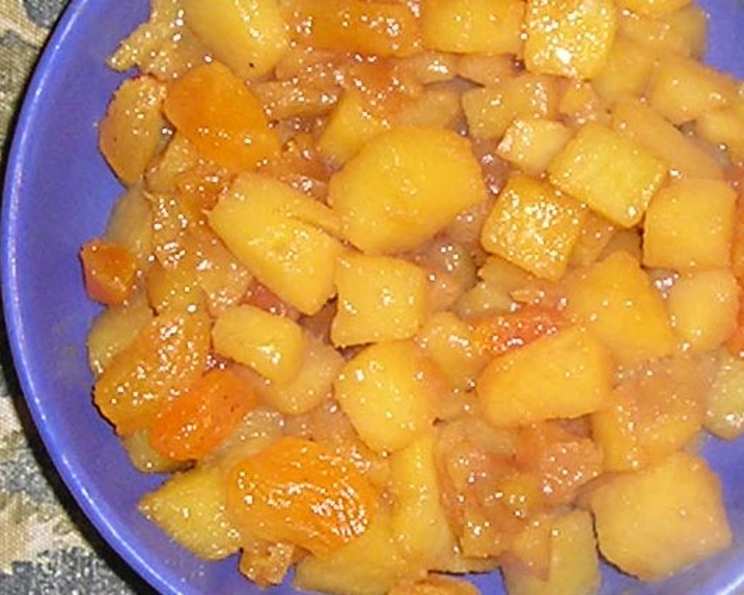
Glazed Rutabaga & Apricots: A Sweet and Savory Delight
Rutabaga. For years, it sat unloved on the bottom shelf of my refrigerator. I knew it was healthy, hearty, and… well, honestly, that’s about all I knew. Until one autumn, a culinary challenge arose: transform this often-overlooked root vegetable into something truly delicious. That’s when I discovered the magic that happens when rutabaga meets the sweetness of dried apricots and the warmth of brown sugar. The result? A surprisingly elegant side dish that converted even the most skeptical palates.
Recipe Overview
- Prep Time: 10 minutes
- Cook Time: 20 minutes
- Total Time: 30 minutes
- Servings: 4
- Dietary Type: Vegetarian, Gluten-Free (naturally), Adaptable to Vegan
Ingredients
- 4 cups peeled, diced rutabagas
- 12 dried apricots
- 2 tablespoons butter (or vegan butter substitute)
- 2 tablespoons dark brown sugar
Equipment Needed
- Medium saucepan
- Sharp knife
- Cutting board
- Measuring cups and spoons
Instructions
-
Begin by preparing the rutabagas. Peel them carefully – their skin can be tough – and dice them into roughly half-inch cubes. Uniformity in size will ensure even cooking.
-
Place the diced rutabaga in a medium saucepan and add just enough water to barely cover them. Bring to a boil over medium-high heat, then reduce the heat to a simmer and cook until the rutabaga is just tender. This usually takes about 10-15 minutes. Test for doneness by piercing a piece with a fork; it should offer slight resistance.
-
While the rutabaga is cooking, prepare the apricots. Using a sharp knife or kitchen shears, snip the dried apricots into quarters. Place them in a small bowl and cover them with a little boiling water. This rehydrates them, making them plump and juicy. Let them soak while the rutabaga finishes cooking.
-
Once the rutabaga is tender, drain it thoroughly, removing all excess water. The drier the rutabaga, the better the glaze will adhere.
-
Return the drained rutabaga to the saucepan. Add the drained, quartered apricots, the butter (or vegan butter substitute), and the dark brown sugar.
-
Cook the mixture over low heat, stirring frequently, until the rutabaga is beautifully glazed. This typically takes about 3-4 minutes. The brown sugar will melt and coat the rutabaga and apricots in a rich, glossy sauce. Be careful not to burn the sugar; keep the heat low and stir constantly. You’re looking for a sticky, shiny coating.
-
Remove from heat and serve immediately.
Expert Tips & Tricks
- For a deeper flavor, try using maple syrup instead of brown sugar. This will give the glaze a slightly different but equally delicious character.
- If you want to add a little spice, a pinch of ground ginger or cinnamon can complement the sweetness of the apricots and the earthiness of the rutabaga. Add it along with the brown sugar.
- To make this dish ahead of time, prepare the rutabaga and apricots through step 4. Then, store the drained rutabaga and apricots separately in the refrigerator. Just before serving, combine them with the butter and brown sugar and cook as directed.
- Don’t overcrowd the pan when glazing. If you’re making a larger batch, it’s better to do it in stages to ensure even coating and prevent steaming.
- If your glaze becomes too thick, add a tablespoon of water at a time until it reaches the desired consistency.
- For an extra touch of elegance, sprinkle chopped toasted nuts, such as pecans or walnuts, over the glazed rutabaga before serving.
Serving & Storage Suggestions
This Glazed Rutabaga & Apricots dish is best served warm as a side dish alongside roasted meats, poultry, or vegetarian mains. It pairs particularly well with dishes that have a slightly savory or herbaceous flavor profile, such as roasted chicken with rosemary or grilled pork chops with thyme.
To store leftovers, let the dish cool completely before transferring it to an airtight container. It will keep in the refrigerator for up to 3 days. To reheat, gently warm it in a saucepan over low heat, stirring occasionally, until heated through. You can also reheat it in the microwave, but be careful not to overheat it, as this can cause the glaze to become sticky and the rutabaga to dry out.
Freezing is not recommended, as the texture of the rutabaga can become mushy upon thawing.
Nutritional Information
(Estimated per serving)
| Nutrient | Amount per Serving | % Daily Value |
|---|---|---|
| Calories | 180 kcal | 9% |
| Total Fat | 6g | 8% |
| Saturated Fat | 4g | 20% |
| Cholesterol | 15mg | 5% |
| Sodium | 85mg | 4% |
| Total Carbohydrate | 32g | 12% |
| Dietary Fiber | 5g | 18% |
| Sugars | 26g | – |
| Protein | 3g | 6% |
Variations & Substitutions
- Vegan Option: Substitute the butter with a vegan butter alternative, such as Miyoko’s Kitchen Cultured Vegan Butter. Ensure the vegan butter is designed for cooking and baking for the best results.
- Spice it Up: Add a pinch of red pepper flakes to the glaze for a subtle kick.
- Fruit Variations: Experiment with other dried fruits, such as cranberries, figs, or raisins, in place of the apricots. Each will add a unique flavor profile to the dish.
- Root Vegetable Medley: Combine the rutabaga with other root vegetables, such as carrots, parsnips, or sweet potatoes, for a more complex flavor and texture. Adjust cooking times as needed to ensure all vegetables are tender.
- Herb Infusion: Add a sprig of fresh thyme or rosemary to the pan while the rutabaga is glazing for an aromatic twist. Remove the herbs before serving.
FAQs (Frequently Asked Questions)
Q: What does rutabaga taste like?
A: Rutabaga has a slightly sweet and earthy flavor, often described as a cross between a turnip and a cabbage.
Q: Can I use fresh apricots instead of dried?
A: While dried apricots work best for this recipe because of their concentrated sweetness and chewy texture, you could experiment with fresh apricots. Use about 1 cup of chopped fresh apricots and add them later in the cooking process, as they will cook down more quickly than dried ones. You might also need to adjust the amount of brown sugar.
Q: How do I know when the rutabaga is cooked through?
A: The rutabaga is cooked through when it is tender enough to be easily pierced with a fork. It should offer slight resistance, but not be hard or crunchy.
Q: Can I use honey instead of brown sugar?
A: Yes, honey can be used as a substitute for brown sugar. Start with 1 1/2 tablespoons of honey and adjust to taste. The flavor will be slightly different, but still delicious.
Q: Is it important to drain the rutabaga thoroughly?
A: Yes, it’s crucial to drain the rutabaga well. Excess water will prevent the glaze from adhering properly, resulting in a watery and less flavorful dish.
Final Thoughts
I hope this Glazed Rutabaga & Apricots recipe inspires you to embrace the often-overlooked rutabaga and discover its culinary potential. It’s a surprisingly versatile vegetable that shines when paired with the sweetness of dried fruits and the warmth of brown sugar. Don’t be afraid to experiment with variations, and most importantly, enjoy the process of creating something delicious and unexpected. Share your creations and feedback – I’d love to hear how it turns out! This delightful dish is not just a side; it’s a conversation starter, a testament to the magic that can happen when you give an underappreciated ingredient a chance to shine.