
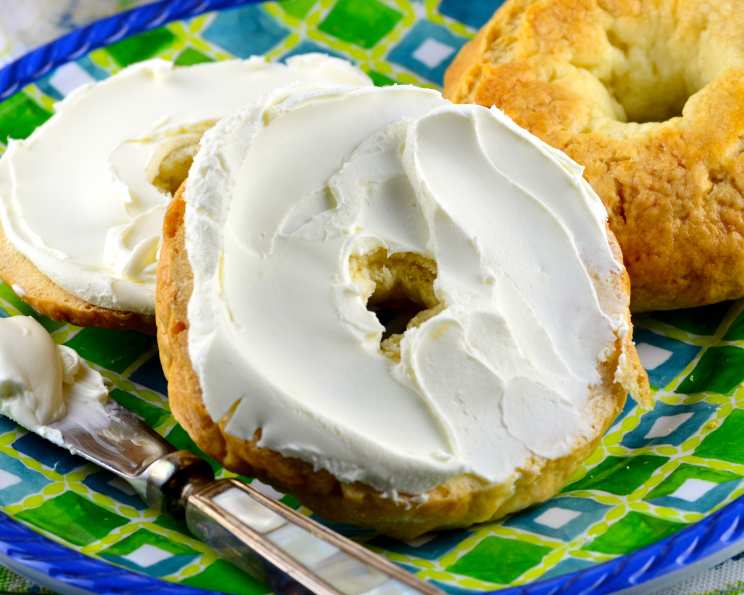
The Joy of Gluten-Free Bagels: A Culinary Journey
I remember the first time I tasted a truly great bagel. It was in a tiny, unassuming shop in Montreal, the aroma of freshly baked bread and simmering spices filling the air. The bagel, still warm, was dense yet chewy, its crust offering just the right amount of resistance before yielding to a soft, flavorful interior. Discovering I was gluten-intolerant years later felt like losing a dear friend. But the quest for the perfect gluten-free bagel became my culinary mission, eventually leading me to this recipe – a delightful compromise that brings back those cherished memories with every bite.
Recipe Overview
- Prep Time: 20 minutes
- Cook Time: 18 minutes
- Total Time: 38 minutes
- Servings: 6
- Yields: 6 bagels
- Dietary Type: Gluten-Free
Ingredients
- 2/3 cup lukewarm milk
- 2 tablespoons yeast
- 2 teaspoons sugar
- 2 eggs
- 1 cup potato starch
- 1 1/2 cups cornstarch
- 1/2 teaspoon baking soda
- 2 teaspoons baking powder
- 2 teaspoons xanthan gum
- 1 teaspoon salt
- 1/2 teaspoon cider vinegar
Equipment Needed
- Large bowl
- Measuring cups and spoons
- Mixing spoon or electric mixer
- Baking sheet
- Large pot
- Slotted spoon
- Greased baking sheet or baking sheet sprinkled with cornmeal
Instructions
-
Begin by preheating your oven to 375°F (190°C). While the oven is heating, fill a large pot with salted water and bring it to a boil. This crucial step helps achieve that characteristic bagel chewiness.
-
In a large bowl, combine the lukewarm milk, yeast, and sugar. Stir well to ensure the yeast dissolves completely. This step activates the yeast, which is essential for the bagels to rise.
-
Mix in the eggs into the yeast mixture. Whisk well to combine.
-
Add the remaining dry ingredients: potato starch, cornstarch, baking soda, baking powder, xanthan gum, and salt.
-
Mix all the ingredients thoroughly until a smooth dough forms, ensuring there are no lumps. Xanthan gum is especially important in gluten-free baking as it acts as a binder, mimicking the role of gluten. An electric mixer can speed this process up.
-
Divide the dough into 6 equal portions. On a lightly floured surface (using one of your starches), shape each portion into a disk.
-
Using your finger or thumb, press a hole in the middle of each disk. Then, gently shape the dough into bagel shapes. Be sure to make the hole relatively large, as the bagels will rise significantly during baking and the hole will shrink.
-
Gently place the shaped bagels into the boiling salted water. I prefer to boil each bagel separately to avoid overcrowding the pot, which can lower the water temperature and affect the bagel’s texture.
-
Boil each bagel for approximately 1 minute. This step is key for achieving the signature chewy texture of a bagel.
-
Remove the boiled bagels from the water using a slotted spoon. Allow excess water to drain off.
-
Place the boiled bagels onto a greased baking sheet or a baking sheet sprinkled with cornmeal. The cornmeal will prevent the bagels from sticking and add a subtle textural element to the bottom.
-
Bake in the preheated oven for 15-18 minutes, or until the bagels are golden brown. Keep a close eye on them, as baking times can vary depending on your oven.
-
Once baked, remove the bagels from the oven and let them cool on a wire rack before slicing and enjoying.
Expert Tips & Tricks
- For a shinier bagel: Before baking, brush the bagels with an egg wash (one egg beaten with a tablespoon of water). This will give them a glossy, appealing finish.
- Experiment with flavorings: Add everything bagel seasoning, sesame seeds, poppy seeds, or dried herbs to the dough or sprinkle them on top before baking for added flavor and texture.
- Dough Consistency is Key: Gluten-free doughs can be tricky. If your dough is too wet, add a tablespoon of potato starch or cornstarch at a time until it reaches a workable consistency. If it’s too dry, add a teaspoon of milk.
- Preventing Sticking: Gluten-free dough tends to be stickier than traditional dough. Use wet hands or lightly flour your hands with gluten-free flour to prevent sticking when shaping the bagels.
- Troubleshooting: If your bagels are dense, ensure your yeast is fresh and active. If they spread too much during baking, the dough might be too wet, requiring more starch.
Serving & Storage Suggestions
Serve these gluten-free bagels toasted with your favorite toppings: cream cheese, lox, avocado, or even a simple pat of butter. They are delicious for breakfast, lunch, or a snack.
Store leftover bagels in an airtight container at room temperature for up to 2 days. For longer storage, freeze them for up to 2 months. To reheat, thaw completely and toast until warm and slightly crispy. You can also slice them before freezing for easy toasting later.
Nutritional Information
| Nutrient | Amount per Serving | % Daily Value |
|---|---|---|
| Calories | 277.6 kcal | N/A |
| Calories from Fat | N/A | N/A |
| Total Fat | 3g | 4% |
| Saturated Fat | 1.2g | 6% |
| Cholesterol | 65.8mg | 21% |
| Sodium | 670.1mg | 27% |
| Total Carbohydrate | 56.2g | 18% |
| Dietary Fiber | 2.9g | 11% |
| Sugars | 2.4g | 9% |
| Protein | 6.5g | 13% |
Variations & Substitutions
- Dairy-Free Option: Substitute the milk with your favorite dairy-free milk alternative, such as almond milk, soy milk, or oat milk.
- Egg-Free Option: Replace the eggs with flax eggs (1 tablespoon of ground flaxseed mixed with 3 tablespoons of water, let sit for 5 minutes to thicken).
- Sweet Bagels: Add a tablespoon of honey or maple syrup to the dough for a touch of sweetness. You can also add cinnamon and raisins for cinnamon raisin bagels.
- Savory Bagels: Mix in chopped sun-dried tomatoes, olives, or roasted garlic for a savory twist.
- Different Starches: While potato starch and cornstarch work well, you can experiment with other gluten-free starches like tapioca starch or arrowroot starch. Keep in mind that the texture might slightly vary.
FAQs (Frequently Asked Questions)
Q: Why do I need to boil the bagels before baking them?
A: Boiling the bagels gelatinizes the starches on the surface, creating a chewy crust that is characteristic of bagels.
Q: Can I use a different type of yeast?
A: Yes, you can use instant yeast instead of active dry yeast. If using instant yeast, you can skip the step of dissolving it in lukewarm milk and sugar. Just add it directly to the dry ingredients.
Q: My bagels are too dense. What did I do wrong?
A: The most common cause of dense bagels is using old or inactive yeast. Make sure your yeast is fresh and that it foams up when mixed with warm milk and sugar.
Q: Can I make the dough ahead of time?
A: Gluten-free dough is best used immediately, as it can dry out or become gummy if left to sit for too long. However, you can prepare the dough and let it rest in the refrigerator for up to 30 minutes before shaping and boiling.
Q: How do I get the toppings to stick to the bagels?
A: Brush the bagels with an egg wash before applying the toppings. The egg wash acts as a glue, helping the toppings adhere to the surface of the bagels. Alternatively, after boiling, but before baking, you can gently press the toppings into the wet surface of the bagel.
Final Thoughts
Creating gluten-free bagels at home might seem daunting, but with a little patience and attention to detail, you can enjoy delicious, chewy bagels that rival their gluten-filled counterparts. Don’t be afraid to experiment with different flavors and toppings to find your perfect bagel creation. Share your baking adventures with friends and family, and let them experience the joy of homemade, gluten-free goodness. And remember, every imperfect bagel is a step closer to bagel perfection! Happy baking!