
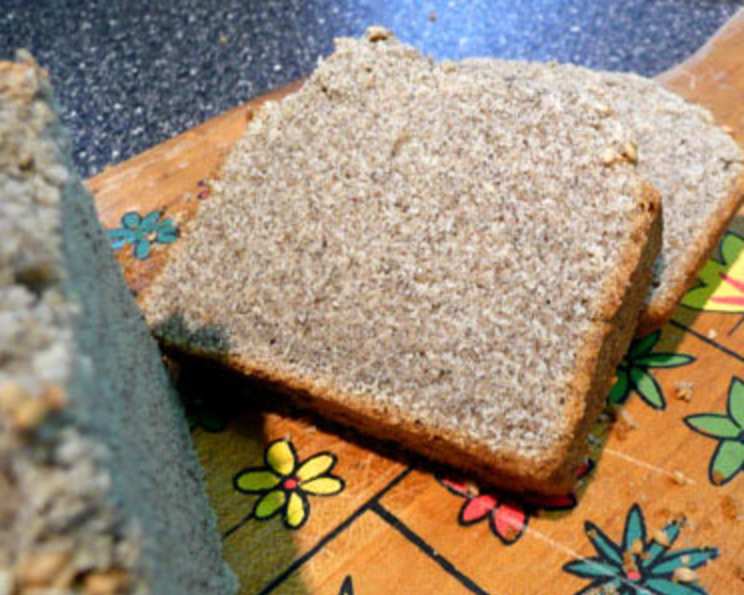
Gluten-Free Buckwheat Bread: A Hearty and Wholesome Delight
The aroma of freshly baked bread has always been a siren song, luring me back to my grandmother’s kitchen. I can still picture her, flour dusting her apron, carefully kneading dough on a well-worn wooden board. While gluten-free baking wasn’t a concern back then, I’ve always appreciated the rustic flavor and texture of buckwheat. This gluten-free buckwheat bread recipe brings back those warm memories, offering a satisfying and wholesome loaf that’s perfect for slicing and enjoying with a smear of butter or a hearty soup.
Recipe Overview
- Prep Time: 15 minutes
- Cook Time: 55-60 minutes
- Total Time: 1 hour 10-15 minutes
- Servings: 8
- Yield: 1 loaf
- Dietary Type: Gluten-Free
Ingredients
- 1 1/2 cups gluten-free flour blend (ensure it contains xanthan gum or add 1/2 teaspoon if not)
- 1/2 cup buckwheat flour
- 3 teaspoons gluten-free baking powder
- 1/2 teaspoon salt
- 2 tablespoons sugar
- 2 egg whites
- 1 cup reduced-fat milk
- 1/2 cup vegetable oil
- 2 tablespoons sesame seeds
Equipment Needed
- 9 x 19 cm loaf tin
- Large mixing bowl
- Electric mixer
- Measuring cups and spoons
- Sifter
Instructions
-
Preheat your oven to 180°C (350°F). Proper oven temperature is crucial for even baking and a well-risen loaf.
-
Grease a 9 x 19 cm loaf tin thoroughly. This will prevent the bread from sticking and ensure easy removal after baking. I prefer using a baking spray with flour for extra insurance.
-
In a large bowl, sift together the gluten-free flour blend, buckwheat flour, gluten-free baking powder, and salt. Sifting ensures that the dry ingredients are evenly distributed and helps to create a lighter texture.
-
Stir in the sugar to the flour mixture. The sugar adds a touch of sweetness and helps to tenderize the bread.
-
In a separate bowl, lightly beat the egg whites with an electric mixer until just frothy. Do not overbeat them to stiff peaks, as this can make the bread tough. The egg whites contribute to the structure and lightness of the bread.
-
Stir the reduced-fat milk and vegetable oil into the beaten egg whites. Make sure these wet ingredients are well combined before adding them to the dry ingredients.
-
Add the wet ingredients to the dry ingredients and beat with an electric mixer for 3 minutes until smooth. Don’t be tempted to skip this step. Proper mixing is essential for developing the gluten-free structure of the bread. The batter should be homogenous and free of lumps.
-
Pour the batter into the prepared loaf tin and smooth the top with a spatula. This will ensure an even bake and a nice, level surface.
-
Press the sesame seeds lightly into the top of the batter. The sesame seeds add a nutty flavor and a pleasant visual appeal. You can also use other seeds like poppy seeds or sunflower seeds.
-
Bake in the preheated oven for 55-60 minutes, or until a wooden skewer inserted into the center comes out clean. Check for doneness around the 55-minute mark to avoid overbaking. If the top starts to brown too quickly, you can loosely tent the loaf with aluminum foil.
-
Once baked, let the bread stand in the loaf tin for 10 minutes before turning it out onto a wire rack to cool completely. This resting period allows the bread to firm up and prevents it from crumbling when sliced.
Expert Tips & Tricks
- Gluten-Free Flour Blend: The success of this recipe hinges on using a good quality gluten-free flour blend. Experiment with different blends to find one you like. Look for blends that contain xanthan gum for added structure.
- Buckwheat Flour: Buckwheat flour has a distinctive earthy flavor. If you find it too strong, you can reduce the amount slightly and replace it with more gluten-free flour.
- Overmixing: Be careful not to overmix the batter, as this can result in a tough bread. Mix just until the ingredients are combined.
- Oven Calibration: Oven temperatures can vary. Use an oven thermometer to ensure your oven is accurately heated.
- Adding Flavor: Experiment with adding other flavors to the bread, such as dried herbs, spices, or chopped nuts.
Serving & Storage Suggestions
This gluten-free buckwheat bread is delicious served warm or at room temperature. It’s perfect for toast, sandwiches, or as a side to soups and stews. Store the cooled bread in an airtight container at room temperature for up to 3 days, in the refrigerator for up to a week, or in the freezer for longer storage. To reheat, you can toast slices in a toaster or warm the entire loaf in a low oven (150°C/300°F) for 10-15 minutes.
Nutritional Information
| Nutrient | Amount per Serving | % Daily Value |
|---|---|---|
| Calories | 190.2 kcal | N/A |
| Calories from Fat | N/A | N/A |
| Total Fat | 15.6 g | 23% |
| Saturated Fat | 2.4 g | 11% |
| Cholesterol | 2.4 mg | 0% |
| Sodium | 174.5 mg | 7% |
| Total Carbohydrate | 10.5 g | 3% |
| Dietary Fiber | 1 g | 4% |
| Sugars | 5 g | 19% |
| Protein | 3.2 g | 6% |
Note: Nutritional information is an estimate and may vary based on specific ingredients and portion sizes.
Variations & Substitutions
- Dairy-Free: Substitute the reduced-fat milk with almond milk, soy milk, or oat milk.
- Seed Variations: Use a different combination of seeds, such as poppy seeds, sunflower seeds, or flax seeds.
- Herbed Bread: Add 1-2 tablespoons of dried herbs, such as rosemary, thyme, or oregano, to the dry ingredients for a savory twist.
- Sweet Bread: Add 1/4 cup of honey or maple syrup to the wet ingredients for a sweeter bread. You can also add dried fruits like raisins or cranberries.
- Nutty Bread: Add 1/2 cup of chopped nuts, such as walnuts or pecans, to the batter.
FAQs (Frequently Asked Questions)
Q: Can I use a different type of gluten-free flour blend?
A: Yes, you can use different gluten-free flour blends, but be aware that the texture and flavor of the bread may vary. Make sure your blend contains xanthan gum, or add it separately.
Q: Can I make this bread without egg whites?
A: While the egg whites contribute to the bread’s structure, you could try using a flax egg as a substitute (1 tablespoon ground flaxseed mixed with 3 tablespoons water, let sit for 5 minutes to thicken). However, the texture may be slightly different.
Q: How do I know when the bread is done?
A: The best way to check for doneness is to insert a wooden skewer into the center of the bread. If it comes out clean or with just a few moist crumbs attached, the bread is done.
Q: My bread is sinking in the middle. What did I do wrong?
A: This can be caused by several factors, including underbaking, using too much liquid, or not having enough structure in the batter. Make sure you are using the correct measurements and baking the bread for the full recommended time.
Q: Can I freeze this bread?
A: Yes, this bread freezes well. Wrap it tightly in plastic wrap and then in aluminum foil, or place it in a freezer-safe bag. It can be stored in the freezer for up to 3 months. Thaw at room temperature before serving.
Final Thoughts
This gluten-free buckwheat bread is a wonderfully versatile and satisfying loaf that you can enjoy in countless ways. Don’t be afraid to experiment with different variations and substitutions to create your own signature recipe. I encourage you to give this recipe a try and experience the wholesome goodness of homemade buckwheat bread. Share your creations and feedback – I’d love to hear about your baking adventures! This bread pairs perfectly with a hearty bowl of lentil soup or simply toasted with a generous spread of your favorite jam. Happy baking!