
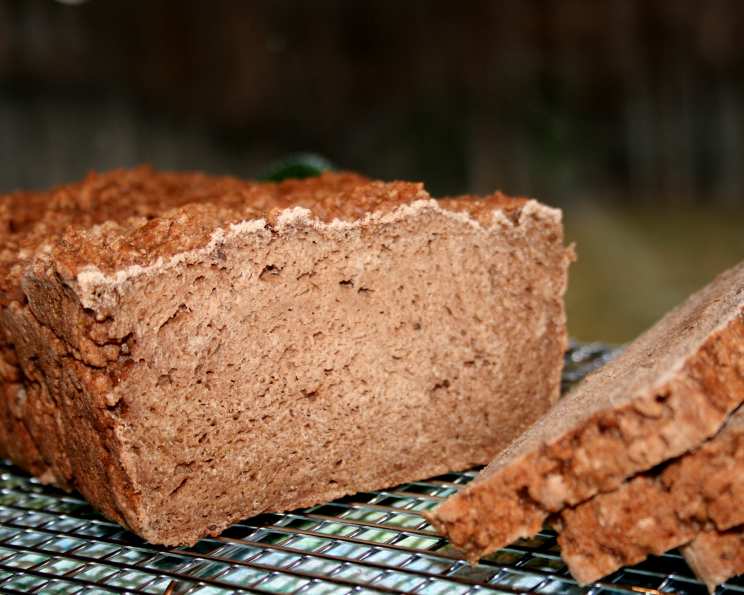
Gluten-Free Caraway “Rye” Dough: A Culinary Adventure
The scent of rye bread, warm from the oven and laced with caraway, always transports me back to my grandmother’s kitchen. She wasn’t one for fancy techniques, but her rye was legendary – dense, flavorful, and utterly comforting. When I discovered I had a gluten intolerance, I thought those memories were lost forever. But then I found this recipe, a surprisingly clever concoction that manages to evoke the spirit of rye without a single grain of wheat. It’s not quite the same, of course, but the familiar aroma and satisfying texture make it a truly worthy substitute, allowing me to relive those cherished moments with every bite.
Recipe Overview
- Prep Time: 30 minutes
- Rise Time: 2 hours 40 minutes
- Cook Time: 22-30 minutes
- Total Time: 3 hours 32 minutes
- Yields: 2 loaves, or 12 muffins
- Serves: 24
- Dietary Type: Gluten-Free, Dairy-Free (with appropriate substitutions)
Ingredients
- 2 cups brown rice flour (stone ground)
- 2 cups tapioca flour (or potato starch)
- 2 cups chickpea flour
- 1 cup cornstarch (or corn flour)
- 2 tablespoons xanthan gum
- 2 tablespoons instant yeast (or bread machine yeast)
- 2 tablespoons caraway seeds
- 1 tablespoon salt (fine table, or kosher)
- 6 eggs (or equivalent egg substitute)
- ½ cup cocoa powder (unsweetened)
- 2 cups lukewarm water (mix 1 cup hot tap water & 1 cup cold tap water to get lukewarm temp of about 100 F)
- 6 tablespoons light molasses (fancy grade)
- ⅓ cup vegetable oil
- 2 teaspoons cider vinegar
Equipment Needed
- Large (16-cup) mixing bowl
- Whisk
- Plastic wrap (or shower cap)
- 9×5 inch loaf pan (or muffin tins)
- Teatowel
- Baking stone (optional)
- Broiler pan (optional)
- Wire rack
- Instant-read thermometer
Instructions
- Combine the dry ingredients: In a large, 16-cup mixing bowl, measure out the brown rice flour, tapioca flour, chickpea flour, and cornstarch. Use a whisk to thoroughly combine these flours, ensuring there are no lumps. This even distribution is crucial for the bread’s overall texture.
- Incorporate the remaining dry ingredients: Add the xanthan gum, instant yeast, caraway seeds, and salt to the bowl. Whisk again to ensure these ingredients are evenly distributed throughout the flour mixture. The xanthan gum is particularly important for providing structure and preventing the bread from crumbling.
- Prepare the wet ingredients: In a separate bowl, lightly beat the eggs (or your chosen egg substitute). Add the cocoa powder, lukewarm water, molasses, vegetable oil, and cider vinegar to the eggs. Whisk these wet ingredients together until they are fully combined, creating a homogenous mixture. The cocoa powder adds depth of flavor and contributes to the bread’s characteristic dark color.
- Combine wet and dry ingredients: Pour the wet ingredients into the bowl with the flour mixture. Using the whisk, mix until a smooth, very loose, batter-like dough forms. Don’t be alarmed by the consistency; this dough is intentionally wet. The goal is to create a batter that is free of any large lumps.
- First Rise: Cover the bowl tightly with plastic wrap (or a shower cap) to create a humid environment. Let the dough rise at room temperature for 2 hours. After 2 hours, observe the dough; it should have nearly risen to the top of the bowl and have a thick, golden, mashed potato-like appearance. This rise is critical for developing the bread’s texture and flavor.
- Second Rise (Optional): At this stage, you can either use the dough immediately or refrigerate it for up to 3 days before baking. If refrigerating, allow the dough to come to room temperature for about 30 minutes before proceeding to the next step.
- Prepare for Baking: For a half recipe, grease a 9×5 inch loaf pan. Alternatively, for individual muffins, scoop about ⅓ cup of batter into each of 12 greased muffin cups. Cover the loaf pan or muffin tin with a clean teatowel. Let rest at room temperature for 40 minutes. This second, shorter rise allows the dough to relax and further develop its structure.
- Preheat the Oven: Preheat your oven to 350°F (175°C). If you have a baking stone, place it on the middle rack of the oven. Place a broiler pan on the lower rack. The baking stone helps create a crispy crust, while the broiler pan will be used to add steam for a more professional finish.
- Create Steam: Once the oven is preheated, carefully pour 2 cups of hot water into the broiler pan. This will create steam in the oven, which is essential for achieving a good rise and a chewy interior.
- Bake: Place the loaf pan or muffin tin on the hot baking stone (if using). If baking two loaves, position them at least 3 inches apart on the baking stone to allow for even heat circulation. Bake the rolls (muffins) for 22-25 minutes, or the loaf(ves) for 27-30 minutes. The crust should be medium dark brown.
- Check for Doneness: To ensure the bread is fully baked, insert an instant-read thermometer into the center. It should register at least 190°F (90°C). If the crust is browning too quickly, you can tent it loosely with foil.
- Cool: Cool the baked rolls or loaves in their pans on a wire rack for 10 minutes. After 10 minutes, remove them from the pans and allow them to cool completely on the rack before slicing and serving. This prevents the bread from becoming soggy.
Expert Tips & Tricks
- Achieving the Right Dough Consistency: Don’t be tempted to add more flour if the dough seems too wet. This recipe is designed to have a batter-like consistency, which is crucial for achieving a light and airy crumb.
- Enhancing the Rye Flavor: For a more intense rye flavor, you can add a tablespoon of toasted caraway seeds to the dough. Toasting the seeds beforehand enhances their aroma and flavor.
- Adjusting Sweetness: If you prefer a less sweet bread, you can reduce the amount of molasses slightly.
- Baking Stone Alternative: If you don’t have a baking stone, you can still achieve good results by preheating your oven for at least 30 minutes and using the broiler pan with hot water.
- Troubleshooting a Dense Bread: If your bread turns out dense, it could be due to insufficient rising time, too much flour, or an oven temperature that is too low. Ensure your yeast is active and your oven is properly calibrated.
Serving & Storage Suggestions
This Gluten-Free Caraway “Rye” Dough is incredibly versatile. Serve it warm with butter or cream cheese for a simple breakfast or snack. It’s also fantastic for sandwiches, especially with deli meats, cheeses, or avocado. For a sophisticated appetizer, try topping slices with smoked salmon and dill cream cheese.
Store leftover bread in an airtight container at room temperature for up to 2 days, or in the refrigerator for up to 5 days. For longer storage, slice the bread and freeze it in a freezer-safe bag for up to 2 months. To reheat, thaw slices at room temperature or toast them directly from frozen. You can also refresh a whole loaf by wrapping it in foil and heating it in a 350°F (175°C) oven for 10-15 minutes.
Nutritional Information
(Estimated, per serving – varies based on loaf or muffin size)
| Nutrient | Amount per Serving | % Daily Value |
|---|---|---|
| Calories | 164 kcal | N/A |
| Total Fat | 5.5g | 8% |
| Saturated Fat | 1.1g | 5% |
| Cholesterol | 46.5mg | 15% |
| Sodium | 317.5mg | 13% |
| Total Carbohydrate | 24.6g | 8% |
| Dietary Fiber | 2.4g | 9% |
| Sugars | 3.8g | N/A |
| Protein | 4.8g | 9% |
Variations & Substitutions
- Egg-Free Version: Use your favorite egg replacement product according to package directions. Flax eggs or applesauce often work well.
- Different Flours: While this blend is specifically formulated to mimic rye, you can experiment with other gluten-free flours like sorghum flour or millet flour. Keep in mind that this may affect the texture and flavor.
- Spice Variations: Add other spices like fennel seeds, coriander, or orange zest for a unique twist.
- Sweetener Alternatives: Substitute honey or maple syrup for the molasses for a slightly different flavor profile.
FAQs (Frequently Asked Questions)
Q: Can I make this dough in a bread machine?
A: This recipe is specifically designed for oven baking. Due to the dough’s unique consistency, it is not recommended for bread machines.
Q: Why is my bread gummy in the middle?
A: Gummy bread is often a sign of underbaking. Make sure to bake the loaf until an instant-read thermometer registers at least 190°F (90°C) in the center.
Q: Can I use active dry yeast instead of instant yeast?
A: Yes, but you will need to activate the active dry yeast in lukewarm water for 5-10 minutes before adding it to the flour mixture.
Q: How can I make this recipe vegan?
A: Substitute the eggs with an appropriate egg replacer like flax eggs. Ensure your vegetable oil and molasses are vegan-friendly.
Q: My dough didn’t rise properly. What went wrong?
A: Several factors can affect rising. Ensure your yeast is fresh and active, the water is lukewarm, and the room temperature is warm enough for the yeast to thrive.
Final Thoughts
This Gluten-Free Caraway “Rye” Dough is a testament to the fact that dietary restrictions don’t have to limit our culinary adventures. While it’s not a perfect replica of traditional rye bread, it’s a delicious and satisfying alternative that allows those with gluten sensitivities to enjoy the flavors and aromas they love. Don’t be afraid to experiment with different variations and find what works best for your taste. Share your creations with friends and family, and let them experience the magic of gluten-free baking! I encourage you to try this recipe and share any feedback you may have; happy baking!