
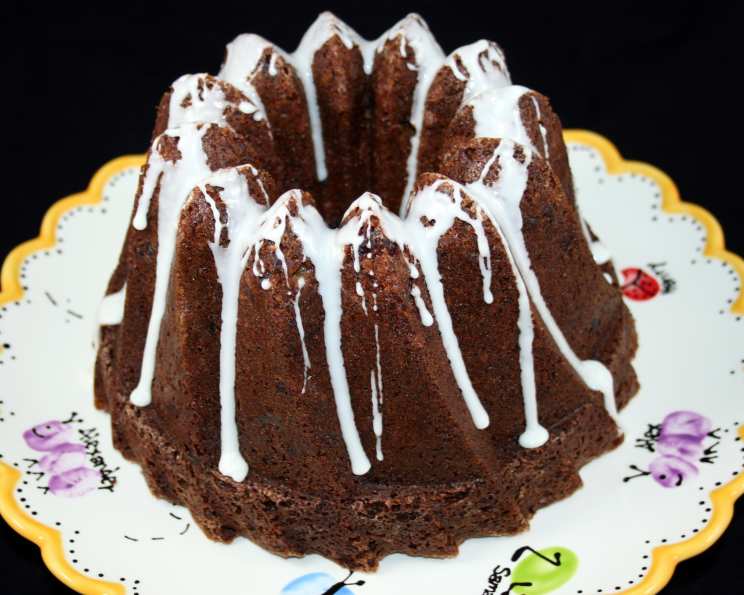
Gluten-Free Carrot Cake: A Taste of Tradition, Reimagined
The aroma of carrot cake always transports me back to childhood birthdays. My Aunt Millie, bless her heart, made the most unforgettable version – moist, intensely spiced, and slathered in a tangy cream cheese frosting. Each bite was a celebration, a warm hug in dessert form. While Aunt Millie’s recipe was a closely guarded family secret, this gluten-free adaptation captures the spirit of her masterpiece, making it accessible for everyone to enjoy.
Recipe Overview
- Prep Time: 20 minutes
- Cook Time: 50 minutes
- Total Time: 1 hour 10 minutes
- Servings: 12
- Yields: 1 Cake
- Dietary Type: Gluten-Free
Ingredients
- 3 eggs
- 1 1/2 cups sugar
- 1 cup sunflower oil
- 2 teaspoons vanilla
- 2 cups carrots, shredded
- 10 ounces crushed pineapple in juice
- 1 cup shredded coconut
- 1 cup raisins, soaked in tea, drained
- 1 cup walnuts, chopped
- 2 cups white corn flour
- 4 teaspoons baking soda
- 1 teaspoon salt
- 1/4 teaspoon cinnamon
- 1/8 teaspoon nutmeg
- 1 tablespoon xanthan gum
Equipment Needed
- Large mixing bowl
- Electric mixer
- Measuring cups and spoons
- Whisk
- Bundt pan or 9×11 inch baking pan
- Toothpick
- Cooling rack
Instructions
- Preheat your oven to 350 degrees Fahrenheit (175 degrees Celsius).
- In a large mixing bowl, beat the eggs and sugar together using an electric mixer until the mixture becomes pale yellow and slightly thickened. This step incorporates air, resulting in a lighter cake.
- Gradually beat in the sunflower oil and vanilla extract until fully incorporated. The mixture should be smooth and emulsified.
- Add the shredded carrots, crushed pineapple (with its juice), shredded coconut, drained raisins, and chopped walnuts to the wet ingredients. Mix until everything is thoroughly combined, ensuring the carrots are evenly distributed.
- In a separate bowl, whisk together the white corn flour, baking soda, salt, cinnamon, nutmeg, and xanthan gum. This step is crucial for evenly distributing the leavening agents and spices throughout the flour. The xanthan gum is particularly important in gluten-free baking as it acts as a binder, mimicking the role of gluten in traditional recipes.
- Gradually add the dry ingredients to the wet ingredients, mixing well after each addition. Ensure there are no lumps of flour remaining. The batter will be quite thick, which is normal.
- Pour the batter into a greased and floured (using gluten-free flour) bundt pan or a 9×11 inch baking pan. Ensure the batter is evenly distributed.
- Bake in the preheated oven for approximately 50 minutes, or until a toothpick inserted into the center comes out clean. Baking times may vary depending on your oven, so it’s essential to check for doneness frequently towards the end of the baking time.
- Once baked, remove the cake from the oven and let it cool completely in the pan on a wire rack before inverting it onto a serving plate. This prevents the cake from breaking apart while still warm.
- Once cooled, ice with your favorite cream cheese icing. A simple vanilla glaze also works beautifully and complements the cake’s flavors.
Expert Tips & Tricks
- Soaking the Raisins: Soaking the raisins in warm tea or even rum plumps them up, making them extra juicy and flavorful. This also prevents them from drawing moisture away from the cake batter during baking.
- Don’t Overmix: Overmixing gluten-free batter can result in a dense or gummy texture. Mix only until the ingredients are just combined.
- Prevent Sticking: To ensure the cake doesn’t stick to the pan, grease it thoroughly with butter or cooking spray, then dust it with gluten-free flour. Alternatively, use parchment paper to line the bottom of the pan.
- Spice it Up: Feel free to adjust the spices to your liking. A pinch of ground cloves or ginger would also complement the carrot cake flavors beautifully.
- Nut Variety: If you’re not a fan of walnuts, pecans or almonds are excellent substitutes. You can also toast the nuts before adding them to the batter for a deeper, nuttier flavor.
- Temperature Check: Oven temperatures can vary. Invest in an oven thermometer to ensure your oven is accurately calibrated for optimal baking results.
Serving & Storage Suggestions
This gluten-free carrot cake is delicious served at room temperature, either plain or with a generous slathering of cream cheese frosting or a simple vanilla glaze. For an extra touch of elegance, dust the top with powdered sugar or sprinkle with chopped walnuts.
Leftover cake can be stored in an airtight container at room temperature for up to 2 days, in the refrigerator for up to 5 days, or in the freezer for up to 3 months. To freeze, wrap the cake tightly in plastic wrap and then in aluminum foil. Thaw in the refrigerator overnight before serving.
To refresh the cake, lightly brush the slices with milk or simple syrup before serving.
Nutritional Information
| Nutrient | Amount per Serving | % Daily Value |
|---|---|---|
| Calories | 509.6 kcal | N/A |
| Calories from Fat | 264 g | 52% |
| Total Fat | 29.4 g | 45% |
| Saturated Fat | 5.9 g | 29% |
| Cholesterol | 46.5 mg | 15% |
| Sodium | 669.1 mg | 27% |
| Total Carbohydrate | 60.6 g | 20% |
| Dietary Fiber | 3.7 g | 14% |
| Sugars | 40.4 g | N/A |
| Protein | 5.3 g | 10% |
Variations & Substitutions
- Dairy-Free: To make this cake dairy-free, substitute the eggs with flax eggs (1 tablespoon ground flaxseed mixed with 3 tablespoons water per egg). Use a dairy-free cream cheese frosting made with vegan cream cheese alternative.
- Nut-Free: Omit the walnuts altogether, or replace them with sunflower seeds or pumpkin seeds for a bit of crunch.
- Spice Variations: Experiment with different spice blends to create a unique flavor profile. Try adding a pinch of cardamom, allspice, or even a hint of black pepper.
- Icing Alternatives: Instead of cream cheese frosting, consider a tangy lemon glaze, a simple powdered sugar dusting, or a rich chocolate ganache.
- Add-ins: Feel free to incorporate other add-ins to your liking. Chopped pecans, dried cranberries, or even chocolate chips would be delicious additions.
FAQs (Frequently Asked Questions)
Q: Can I use a different type of gluten-free flour?
A: While white corn flour provides a good texture, a gluten-free all-purpose flour blend can be substituted. Ensure it contains xanthan gum or add extra if it doesn’t.
Q: Why is xanthan gum important in gluten-free baking?
A: Xanthan gum acts as a binder, mimicking the role of gluten in traditional baking, providing structure and preventing the cake from being too crumbly.
Q: Can I reduce the amount of sugar in the recipe?
A: Yes, you can reduce the sugar by up to 1/4 cup without significantly impacting the cake’s texture. However, keep in mind that sugar contributes to the cake’s moistness and tenderness.
Q: How do I prevent the cake from sinking in the middle?
A: Ensure your oven temperature is accurate and avoid opening the oven door frequently during baking. Overmixing the batter can also contribute to sinking, so mix only until just combined.
Q: Can I make this cake ahead of time?
A: Absolutely! Carrot cake is often even better the next day after the flavors have had a chance to meld. Store it in an airtight container at room temperature or in the refrigerator.
Final Thoughts
This gluten-free carrot cake is a testament to the fact that you don’t have to sacrifice flavor or texture when adapting a classic recipe. Whether you’re gluten-free or simply looking for a delicious and wholesome dessert, this cake is sure to delight. Bake a batch, share it with loved ones, and savor the joy of homemade goodness. And if you decide to add a secret ingredient or two, don’t hesitate to share your culinary adventures – I’m always eager to learn new tricks!