
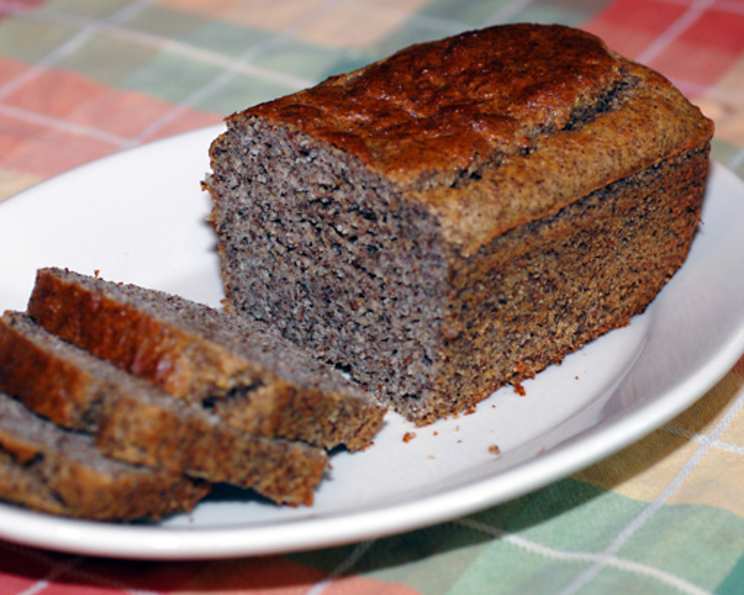
Gluten-Free Dark “Rye” Bread: A Culinary Journey
My grandfather, a baker with hands like warm dough and a twinkle in his eye, used to make the most incredible rye bread. Its complex flavor and satisfying chew were the cornerstones of countless family meals. When I developed a gluten intolerance, I thought those cherished memories were relegated to the past. But after years of experimentation, I’ve managed to capture the essence of his beloved rye in this gluten-free version. It’s a testament to the fact that dietary restrictions don’t have to mean sacrificing flavor or tradition.
Recipe Overview
- Prep Time: 10 minutes
- Cook Time: 30-35 minutes
- Total Time: 40-45 minutes
- Servings: 4-6
- Yield: 1 loaf
- Dietary Type: Gluten-Free
Ingredients
- 1 cup blanched almond flour
- ¾ cup flax seed meal
- ½ teaspoon Celtic sea salt
- ½ teaspoon baking soda
- ¾ teaspoon cream of tartar
- 3 eggs
- 2 tablespoons olive oil
- ¼ cup water
- 1 teaspoon agave nectar
- 1-2 tablespoons caraway seed
Equipment Needed
- Large mixing bowl
- Small mixing bowl
- 6 x 3.5 x 2.5 inch loaf pan
- Whisk or spoon
- Measuring cups and spoons
Instructions
- Preheat your oven to 350°F (175°C). This is crucial for even baking.
- In a large bowl, thoroughly combine the dry ingredients: almond flour, flax seed meal, Celtic sea salt, baking soda, and cream of tartar. Make sure there are no lumps, ensuring a consistent texture in your final bread.
- In a smaller bowl, whisk together the wet ingredients: eggs, olive oil, water, and agave nectar. The agave adds a touch of sweetness, balancing the earthy flavors.
- Pour the wet ingredients into the bowl with the dry ingredients. Use a spoon or whisk to stir until just combined. Avoid overmixing, which can result in a denser bread.
- Now, gently fold in the caraway seeds. The amount you use (1-2 tablespoons) depends on your preference. I personally love a strong caraway flavor, so I tend to lean towards the higher end.
- Allow the batter to sit for 1-2 minutes. This allows the flax seed meal to absorb some of the liquid, thickening the batter slightly and improving the bread’s structure. You’ll notice the batter becoming a bit more viscous.
- Grease your 6 x 3.5 x 2.5 inch loaf pan thoroughly. You can use olive oil, coconut oil, or your preferred gluten-free baking spray. Ensuring a well-greased pan is key to easy removal of the bread after baking.
- Pour or scoop the batter into the prepared loaf pan, spreading it evenly.
- Bake in the preheated oven for 30-35 minutes. To check for doneness, insert a toothpick into the center of the loaf. If it comes out clean or with just a few moist crumbs attached, the bread is ready. If it’s still wet, bake for a few more minutes and check again.
- Remove the loaf pan from the oven and let the bread cool in the pan for about 10 minutes before transferring it to a wire rack to cool completely. This prevents the bread from sticking to the pan and allows it to firm up.
- Once the bread is completely cool, slice and serve.
Expert Tips & Tricks
- Achieving a Darker Color: For a deeper, richer color reminiscent of traditional rye bread, you can add a tablespoon of unsweetened cocoa powder to the dry ingredients. It won’t significantly alter the flavor but will enhance the visual appeal.
- Blooming the Flax: For an even softer texture, try blooming the flaxseed meal before adding it to the recipe. Simply combine the flaxseed meal with the water called for in the recipe and let it sit for about 5 minutes. This will allow the flax to absorb the water, creating a gel that will add moisture and softness to the bread.
- Even Baking: To ensure even baking, especially if your oven tends to have hot spots, rotate the loaf pan halfway through the baking time.
- Slicing: For clean, even slices, use a serrated bread knife and allow the bread to cool completely before slicing. You can even chill the bread slightly to make it easier to slice.
- Adjusting Sweetness: If you prefer a less sweet bread, you can reduce or omit the agave nectar.
Serving & Storage Suggestions
This gluten-free “rye” bread is incredibly versatile. It’s fantastic toasted and topped with avocado, smoked salmon, or your favorite nut butter. It also makes excellent sandwiches.
To store, wrap the bread tightly in plastic wrap or place it in an airtight container at room temperature for up to 2 days. For longer storage, you can refrigerate it for up to a week or freeze it for up to 2 months. To reheat, simply toast slices in a toaster or warm them in the oven. Frozen bread can be thawed at room temperature or in the refrigerator.
Nutritional Information
| Nutrient | Amount per Serving | % Daily Value |
|---|---|---|
| Calories | 234 kcal | N/A |
| Calories from Fat | 176 g | 75% |
| Total Fat | 19.6 g | 30% |
| Saturated Fat | 2.9 g | 14% |
| Cholesterol | 158.6 mg | 52% |
| Sodium | 507.8 mg | 21% |
| Total Carbohydrate | 7.5 g | 2% |
| Dietary Fiber | 6.4 g | 25% |
| Sugars | 0.6 g | 2% |
| Protein | 8.9 g | 17% |
Variations & Substitutions
- Seed Variations: Experiment with different seeds! Sunflower seeds, pumpkin seeds (pepitas), or sesame seeds can be added along with or instead of the caraway seeds for a unique flavor profile.
- Spice It Up: Add a pinch of ground coriander or fennel seeds to enhance the rye flavor.
- Egg-Free Version: While I haven’t tested it myself, you could try using a flax egg (1 tablespoon ground flaxseed meal mixed with 3 tablespoons water, let sit for 5 minutes) as an egg replacement. Keep in mind that this may alter the texture slightly.
- Sweetener Options: Instead of agave nectar, you can use maple syrup or honey.
FAQs (Frequently Asked Questions)
Q: Why is it called “Rye” bread if it doesn’t contain rye flour?
A: The bread mimics the flavor and appearance of traditional rye bread through the use of caraway seeds and a slightly tangy flavor profile.
Q: Can I use a different type of flour instead of almond flour?
A: Almond flour provides a unique texture and flavor. Substituting it with another flour, such as coconut flour or a gluten-free blend, will likely result in a different outcome, and may require adjustments to the liquid ratio.
Q: My bread is too dense. What could be the reason?
A: Overmixing the batter or not using fresh baking soda can lead to a dense bread. Also, ensure your oven temperature is accurate.
Q: Can I make this recipe in a different sized loaf pan?
A: Using a different size pan will affect the baking time. A larger pan will require less baking time, while a smaller pan will require more. Keep a close eye on the bread and adjust the baking time accordingly.
Q: How do I prevent the bread from sticking to the pan?
A: Thoroughly grease the loaf pan with olive oil, coconut oil, or a gluten-free baking spray. You can also line the bottom of the pan with parchment paper for extra insurance.
Final Thoughts
Creating this gluten-free “rye” bread has been a labor of love, a quest to recapture a taste of my past while embracing a new way of eating. I truly hope this recipe brings you as much joy as it has brought me. Don’t be afraid to experiment with the variations and substitutions to create your own unique version. And please, share your feedback – I’m always eager to learn from other bakers! This bread pairs wonderfully with a hearty soup or a simple cheese platter. Enjoy!