
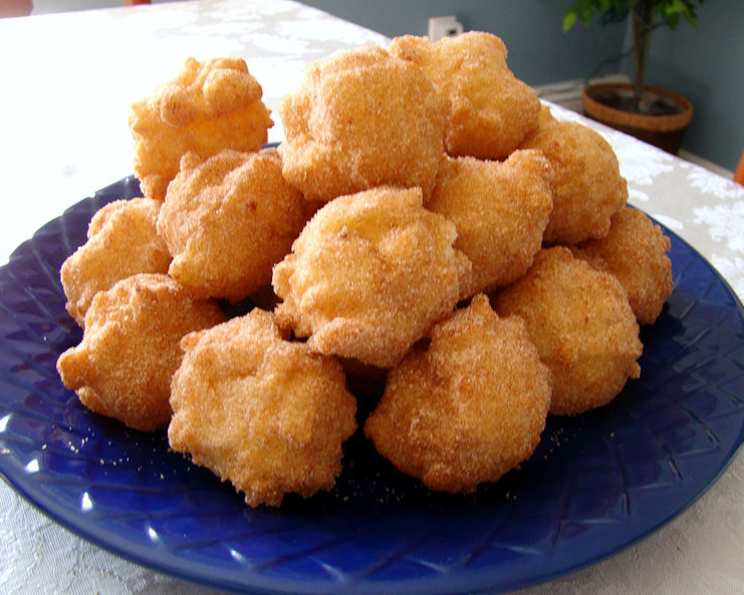
Gluten-Free Doughnut Holes: A Sweet Treat Reimagined
I remember the first time I ever tasted a truly great doughnut. It wasn’t the perfectly glazed, mass-produced kind from the supermarket. It was a warm, slightly misshapen doughnut hole from a local bakery – crispy on the outside, soft and yielding on the inside, with just the right amount of cinnamon sugar clinging to its surface. The taste and texture were pure bliss. When I had to switch to a gluten-free diet, I mourned the loss of those little bites of happiness. That is, until I discovered this recipe! This gluten-free version captures the magic of the original, allowing everyone to enjoy these delectable treats.
Recipe Overview
- Prep Time: 20 minutes
- Cook Time: 10-15 minutes
- Total Time: 30-35 minutes
- Servings: 6-12
- Yields: Approx. 30 doughnut holes
- Dietary Type: Gluten-Free
Ingredients
- 1 cup water
- 1/2 cup (1 stick) butter or margarine
- 1 cup potato starch
- 1 tablespoon sugar
- 1/4 teaspoon salt
- 4 eggs
- Oil for deep frying (vegetable, canola, or peanut oil work well)
- Cinnamon sugar for dusting (2 tablespoons sugar to 1/2 teaspoon cinnamon)
Equipment Needed
- Deep fryer or large, heavy-bottomed pot
- Saucepan
- Electric mixer
- Slotted spoon or spider
- Paper towels
- Plastic bag or bowl for tossing with cinnamon sugar
Instructions
-
Begin by heating the oil in a deep fryer to 375°F (190°C). If you don’t have a deep fryer, use a large, heavy-bottomed pot and ensure you have at least 1-2 inches of oil depth. Monitor the temperature carefully with a thermometer to prevent overheating. Never leave heating oil unattended.
-
While the oil is heating, prepare the doughnut batter. In a medium-sized saucepan, combine the water and butter (or margarine). Heat over medium heat until the mixture reaches a rolling boil, ensuring the butter is fully melted.
-
Remove the saucepan from the heat. Immediately add the potato starch, sugar, and salt. Stir vigorously with a wooden spoon or spatula until the mixture comes together to form a smooth ball that pulls away from the sides of the saucepan. This process is similar to making choux pastry.
-
Transfer the mixture to a mixing bowl. Using an electric mixer (either a stand mixer or a hand mixer), begin adding the eggs one at a time. It is crucial to incorporate each egg fully before adding the next. Beat well after each addition until the batter is smooth and glossy. The batter might seem like it’s separating at first, but keep beating and it will come together.
-
Once the oil is at 375°F (190°C), carefully drop the batter into the hot oil by small, rounded teaspoonfuls. Work in batches to avoid overcrowding the fryer, which can lower the oil temperature and result in greasy doughnut holes.
-
The doughnut holes will puff up as they cook, expanding to about 1 1/2 inches in size. Turn them frequently throughout the cooking process to ensure even browning on all sides. They should take approximately 5 minutes to cook per batch.
-
Once the doughnut holes are golden brown and cooked through, remove them from the oil using a slotted spoon or spider. Transfer them to a plate lined with paper towels to drain any excess oil.
-
While the doughnut holes are still warm, place them in a plastic bag or bowl with the cinnamon sugar mixture (2 tablespoons sugar to 1/2 teaspoon cinnamon). Shake or toss gently to coat them evenly.
-
Serve immediately and enjoy!
Expert Tips & Tricks
- Temperature is Key: Maintaining the oil temperature at 375°F (190°C) is crucial for achieving the perfect texture. Too low, and the doughnut holes will absorb too much oil. Too high, and they’ll brown too quickly on the outside while remaining raw inside.
- Don’t Overmix: While it’s important to incorporate the eggs thoroughly, avoid overmixing the batter after adding them. Overmixing can result in tough doughnut holes.
- Potato Starch Matters: Potato starch is essential for the light and airy texture of these doughnut holes. Do not substitute it with other starches, as it will affect the final result.
- Test a Single Doughnut Hole: Before frying a whole batch, drop a single teaspoon of batter into the hot oil to test the temperature and cooking time. Adjust accordingly.
- Make Ahead Tip: The dough can be made ahead of time and stored in the refrigerator for up to 24 hours. Bring to room temperature before frying.
Serving & Storage Suggestions
These gluten-free doughnut holes are best served warm, straight from the fryer, and freshly coated with cinnamon sugar. They are delicious on their own or paired with a cup of coffee, tea, or milk.
- Room Temperature: Store leftover doughnut holes in an airtight container at room temperature for up to 2 days.
- Refrigeration: For longer storage, refrigerate them in an airtight container for up to 4 days.
- Freezing: Doughnut holes can be frozen for up to 2 months. Freeze them in a single layer on a baking sheet before transferring them to a freezer-safe bag or container.
- Reheating: To reheat, bake the doughnut holes in a preheated oven at 350°F (175°C) for 5-7 minutes, or until warmed through. You can also microwave them for a few seconds, but be careful not to overdo it, or they will become rubbery. Reheat from frozen at 350 degrees F for 10 -12 minutes.
Nutritional Information
| Nutrient | Amount per Serving | % Daily Value |
|---|---|---|
| Calories | 288 kcal | N/A |
| Calories from Fat | 168 kcal | N/A |
| Total Fat | 18.8 g | 28% |
| Saturated Fat | 10.8 g | 53% |
| Cholesterol | 181.7 mg | 60% |
| Sodium | 268 mg | 11% |
| Total Carbohydrate | 24.5 g | 8% |
| Dietary Fiber | 1.6 g | 6% |
| Sugars | 3.3 g | N/A |
| Protein | 6.2 g | 12% |
Note: Nutritional information is an estimate and may vary based on specific ingredients and portion sizes.
Variations & Substitutions
- Dairy-Free: Substitute the butter with a dairy-free margarine or coconut oil.
- Spice it Up: Add a pinch of nutmeg or cardamom to the cinnamon sugar for a warmer flavor.
- Glaze Option: Instead of cinnamon sugar, you can dip the warm doughnut holes in a simple glaze made from powdered sugar and milk. Add a touch of vanilla extract or lemon juice for extra flavor.
- Chocolate Doughnut Holes: Add 2 tablespoons of unsweetened cocoa powder to the batter for chocolate doughnut holes.
- Lemon Zest: Incorporate 1 teaspoon of lemon zest into the batter for a bright, citrusy twist.
FAQs (Frequently Asked Questions)
Q: Can I bake these instead of frying?
A: While frying yields the best texture, you can try baking them. Preheat your oven to 350°F (175°C), place the doughnut holes on a baking sheet, and bake for 15-20 minutes, or until golden brown.
Q: My batter seems too runny. What did I do wrong?
A: Ensure you are using the correct measurement of potato starch. Also, make sure you beat each egg in thoroughly before adding the next.
Q: Can I use a different type of starch?
A: Potato starch provides the best texture for these doughnut holes. Substituting with other starches like tapioca starch or cornstarch may alter the result.
Q: How do I prevent the doughnut holes from sticking together while frying?
A: Don’t overcrowd the fryer. Fry in small batches and ensure the oil temperature is hot enough (375°F/190°C).
Q: Can I use different toppings other than cinnamon sugar?
A: Absolutely! Try rolling them in powdered sugar, dipping them in melted chocolate, or drizzling them with a simple glaze.
Final Thoughts
These gluten-free doughnut holes are a delightful treat that proves you don’t have to sacrifice flavor or texture when following a special diet. The combination of the crispy exterior, soft interior, and sweet cinnamon sugar coating is simply irresistible. I encourage you to try this recipe and share the joy of homemade doughnut holes with your loved ones. Whether you enjoy them with a morning coffee or as an afternoon snack, these little morsels of happiness are sure to bring a smile to your face. Don’t hesitate to experiment with different variations and toppings to create your own signature doughnut holes. Happy frying!