
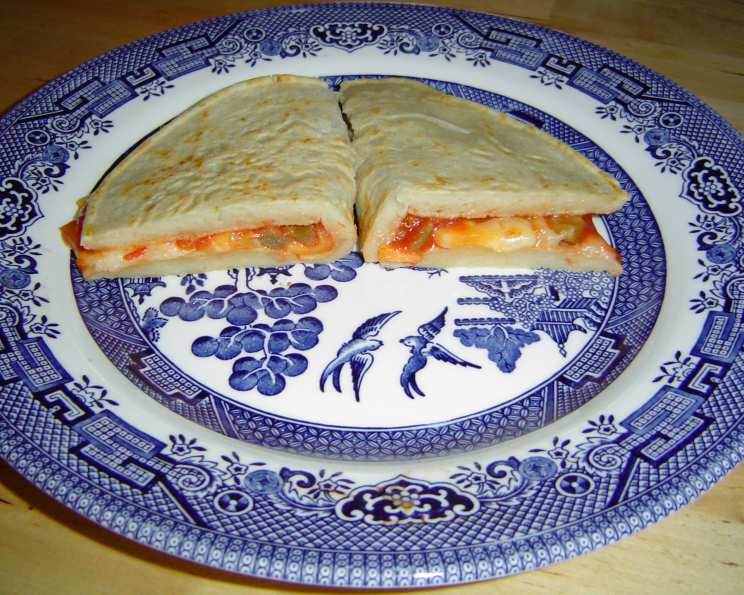
Gluten-Free Flatbread: A Versatile Culinary Adventure
The first time I made these flatbreads, it was a revelation. I’d been struggling with gluten-free bread options that were either dry, crumbly, or just plain uninspiring. Then, on a whim, I started experimenting with different flours, aiming for something pliable and flavorful. The aroma of these little flatbreads sizzling in the pan immediately transported me back to my grandmother’s kitchen, watching her make crepes, the thin pancakes a foundation for so many sweet and savory dishes. I knew instantly that I had stumbled upon something special – a blank canvas for endless culinary creations.
Recipe Overview
- Prep Time: 15 minutes
- Cook Time: 12-16 minutes
- Total Time: 27-31 minutes
- Servings: 3-4
- Yield: 3-4 flatbreads
- Dietary Type: Gluten-Free
Ingredients
- 1 tablespoon black bean flour (I use turtle bean flour from Bob’s Red Mill)
- 3 tablespoons brown rice flour
- 2 tablespoons potato starch
- 1 tablespoon tapioca starch
- 1 egg
- 1/3 cup milk (approximate amount)
- 3 tablespoons oil, for pan-frying (vegetable, canola, or avocado oil work well)
Equipment Needed
- Medium-sized bowl
- Whisk or fork
- Measuring spoons and cups
- Hot plate or skillet
- Cast iron pan (recommended) or non-stick skillet
- Spatula
Instructions
- In a medium-sized bowl, thoroughly combine the black bean flour, brown rice flour, potato starch, and tapioca starch. Ensure there are no clumps, as this will affect the texture of your flatbreads.
- Create a well in the center of the mixed flours.
- Drop the egg into the well.
- Add milk to the well. Start with slightly less than the full 1/3 cup, as the amount of liquid needed can vary depending on the humidity and the exact grind of your flours.
- Using a whisk or fork, mix the ingredients very well, starting from the center and gradually incorporating the flour from the sides. Continue mixing until there are no lumps of flour remaining.
- Add liquid (either milk or a combination of milk and water) as needed until you achieve a pancake batter consistency. The batter should be runny and easily pourable. If you’ve made pancakes before, aim for a similar consistency. If you haven’t, the batter should easily drip from a spoon without being too watery.
- Heat a cast iron pan (or non-stick skillet) over medium-high heat. Add about 1 tablespoon of oil to the hot pan, swirling to coat the surface evenly. Ensure the pan is hot before adding the batter; this will help the flatbreads cook properly and develop a slightly crispy edge.
- Pour the desired amount of batter into the hot, oiled pan. Think of the size you would use for pancakes – about 1/4 cup to 1/3 cup of batter should make a good-sized flatbread.
- Cook for approximately 3 minutes or until the edges appear to be setting and the underside is golden brown. The exact time will depend on the thickness of your flatbread and the heat of your pan. Keep a close eye on them to prevent burning.
- Flip the flatbread using a spatula and cook on the second side for about 30 seconds to one minute, or until golden brown. This side cooks much faster than the first.
- Remove the cooked flatbread from the pan and place it on a plate.
- Repeat steps 7-11 with the remaining batter, adding more oil to the pan as needed between flatbreads. This recipe makes approximately 3-4 flatbreads.
Expert Tips & Tricks
- The black bean flour adds flexibility to the flatbread, making it easier to use as a wrap. If you can’t find black bean flour, you can substitute it with another gluten-free flour, but the texture may be slightly different.
- The egg also contributes to the flatbread’s flexibility. If you need an egg-free option, you can try using a flax egg (1 tablespoon of ground flaxseed mixed with 3 tablespoons of water, let sit for 5 minutes to thicken). However, note that the texture will change slightly and the bread may be more fragile.
- Milk helps the flatbreads brown nicely. If you are dairy-free or prefer a lighter flavor, water can be substituted, but the browning may not be as pronounced.
- Adjusting the Consistency: If your batter seems too thick, add a little more milk or water, one tablespoon at a time, until you reach the desired consistency. If it’s too thin, add a little more brown rice flour, one teaspoon at a time.
- Maintaining Pan Temperature: Keep the pan at a consistent medium-high heat. If the pan is too hot, the flatbreads will burn before they cook through. If it’s not hot enough, they will be pale and won’t develop a good texture.
Serving & Storage Suggestions
These gluten-free flatbreads are best enjoyed fresh, while they are still warm and pliable. Serve them immediately after cooking, or allow them to cool slightly.
Serving Suggestions:
- Quesadilla-style: Fill with your favorite cheese, salsa, and other toppings, then heat in a pan or microwave until the cheese is melted.
- Wraps: Use them as wraps for sandwich fillings like deli meat, hummus, vegetables, or leftover cooked chicken.
- Pizza base: Top with tomato sauce, cheese, and your favorite pizza toppings, then bake in the oven until the cheese is melted and bubbly.
- Accompaniment to soups and stews: Serve warm flatbreads alongside a bowl of hearty soup or stew for dipping.
Storage:
- Room Temperature: Store cooked flatbreads in an airtight container at room temperature for up to 1 day. They are best consumed on the same day they are made, as they can become a bit dry.
- Refrigerator: Store cooked flatbreads in an airtight container in the refrigerator for up to 3 days. Reheat before serving.
- Freezer: For longer storage, freeze cooked flatbreads individually wrapped in plastic wrap or parchment paper, then placed in a freezer bag. They can be stored in the freezer for up to 2 months. Thaw completely before reheating.
Reheating:
- Pan: Reheat flatbreads in a dry skillet over medium heat for a few minutes per side, until warmed through.
- Microwave: Microwave flatbreads for 10-20 seconds, or until warmed through. Be careful not to overheat them, as they can become tough.
- Oven: Preheat oven to 350°F (175°C). Wrap flatbreads in foil and bake for 5-10 minutes, or until warmed through.
Nutritional Information
| Nutrient | Amount per Serving | % Daily Value |
|---|---|---|
| Calories | 221.7 kcal | N/A |
| Calories from Fat | 148 g | 67% |
| Total Fat | 16.6 g | 25% |
| Saturated Fat | 3 g | 14% |
| Cholesterol | 74.3 mg | 24% |
| Sodium | 41.1 mg | 1% |
| Total Carbohydrate | 14.5 g | 4% |
| Dietary Fiber | 0.8 g | 3% |
| Sugars | 0.5 g | 1% |
| Protein | 4.2 g | 8% |
Note: Nutritional information is an estimate and can vary based on specific ingredients and portion sizes.
Variations & Substitutions
- Herbed Flatbreads: Add dried herbs like rosemary, thyme, or oregano to the flour mixture for a flavorful twist.
- Spiced Flatbreads: Add spices like cumin, coriander, or chili powder to the flour mixture for a warm and savory flavor.
- Sweet Flatbreads: Add a touch of sugar or honey to the batter and serve with fresh fruit and a dollop of yogurt or whipped cream.
- Dairy-Free Option: Use a non-dairy milk alternative, such as almond milk, soy milk, or oat milk, in place of regular milk.
- Different Flours: Experiment with other gluten-free flours, such as sorghum flour or teff flour, but be aware that the texture and flavor may change.
- Vegan option: Replace the egg with a flax egg as mentioned above.
FAQs (Frequently Asked Questions)
Q: Can I make the batter ahead of time?
A: Yes, you can make the batter up to 24 hours in advance and store it in the refrigerator. Stir well before using.
Q: My flatbreads are sticking to the pan, what am I doing wrong?
A: Make sure your pan is properly heated and well-oiled. Cast iron pans work best because they retain heat effectively.
Q: Can I bake these flatbreads instead of pan-frying them?
A: While pan-frying is recommended for the best texture, you can bake them on a preheated baking sheet at 350°F (175°C) for about 10-15 minutes, or until golden brown.
Q: My flatbreads are too thick. How can I make them thinner?
A: Add a little more milk or water to the batter, one tablespoon at a time, until you reach a thinner, more pourable consistency.
Q: Can I use this recipe to make naan bread?
A: This recipe produces a flatbread that is similar to naan but not exactly the same. For a more authentic naan, you might need to adjust the ingredients and cooking method.
Final Thoughts
These gluten-free flatbreads are more than just a substitute for traditional bread; they are a delicious and versatile addition to any kitchen. I encourage you to try this recipe and experiment with different flavors and toppings to create your own signature flatbreads. Don’t be afraid to get creative and have fun in the kitchen! Let me know in the comments what fillings you liked or how you modified the recipe! I’d love to hear your thoughts!