
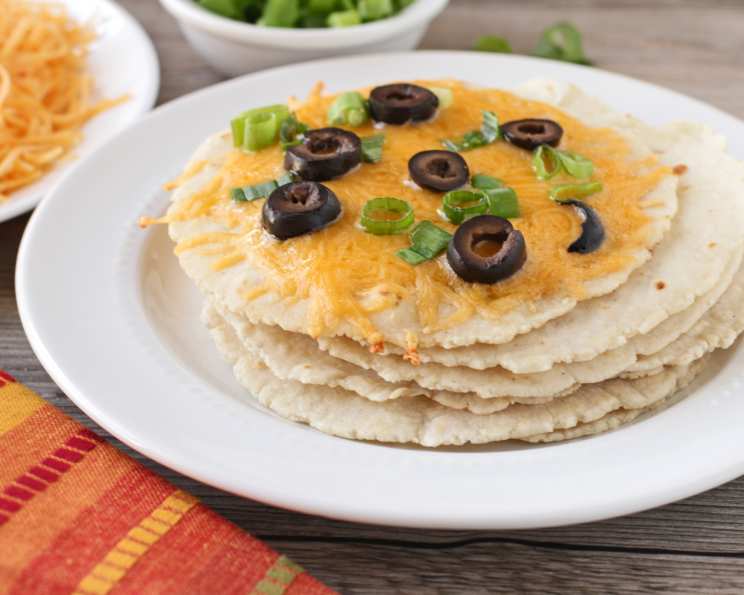
Gluten-Free Flour Tortillas: A Culinary Adventure
I’ll never forget the first time I bit into a truly satisfying gluten-free tortilla. It wasn’t just about replacing the wheat; it was about rediscovering the joy of tacos, wraps, and quesadillas. For years, I had resigned myself to crumbly substitutes, but this one—a revelation!—was pliable, flavorful, and held together like a dream. That experience ignited a passion to create my own perfect gluten-free tortilla, leading me to this recipe – a testament to the fact that dietary restrictions shouldn’t limit delicious possibilities.
Recipe Overview
- Prep Time: 15 minutes
- Cook Time: 15 minutes
- Total Time: 30 minutes
- Servings: 6-8
- Yields: 6-8 tortillas
- Dietary Type: Gluten-Free
Ingredients
- 1 cup rice flour
- 1/3 cup potato starch
- 1/3 cup tapioca flour
- 1/3 cup fava bean flour
- 2 teaspoons xanthan gum
- 1 teaspoon baking powder
- 1/2 teaspoon sugar
- 1 1/4 teaspoons salt
- 2 tablespoons vegetable shortening (or other shortening)
- 3/4 – 1 cup warm water
Equipment Needed
- Mixing bowl
- Pastry blender or two knives
- Rolling pin (or bollilo)
- Comal, tapa, or griddle
- Tortilla keeper or clean cloth
Instructions
- In a large mixing bowl, combine all the dry ingredients: rice flour, potato starch, tapioca flour, fava bean flour, xanthan gum, baking powder, sugar, and salt.
- Using a pastry blender, two knives, or even your fingertips, cut the vegetable shortening into the dry ingredients. The mixture should resemble coarse crumbs. This step is crucial for achieving a tender, flaky texture.
- Gradually add the warm water, starting with 3/4 cup. Mix well after each addition. The amount of water needed may vary depending on the humidity and the flour blend, so add it slowly until the dough comes together.
- Continue to add water, a tablespoon at a time, until a soft, cohesive dough is formed. The dough should be pliable and slightly sticky, but not overly wet.
- Heat a comal, tapa, or griddle over medium heat. The surface should be hot enough to cook the tortillas evenly without burning them. A well-seasoned cast iron skillet works perfectly too.
- Divide the dough into 6-8 equal portions.
- Take one portion of dough and form it into a flattened disk, gently cupping the outside edges to create a round shape.
- Dust a clean work surface with cornstarch. This will prevent the dough from sticking. Rice flour can also be used, but cornstarch provides a smoother finish.
- Using a bollilo (a small, narrow rolling pin often used for tortillas) or a regular rolling pin, roll the flattened disk into a round tortilla, about 1/8 inch thick and approximately 8 inches in diameter, or to your preferred size. Aim for a uniform thickness for even cooking.
- Carefully transfer the rolled-out tortilla to the hot griddle.
- Bake one tortilla at a time on the hot griddle. The surface should start to bubble. This usually takes about 30-60 seconds.
- Turn the tortilla only once, when the first side has developed light brown flecks. Avoid flipping it repeatedly, as this can make it tough.
- Bake until the second side is slightly browned, which should take only a very short time. Watch carefully to prevent burning.
- As each tortilla is cooked, keep warm in a tortilla keeper or wrapped in a clean cloth to maintain their pliability.
- Repeat steps 7-14 with the remaining dough.
- Note: These tortillas can be frozen in a sealed plastic bag for up to three months. Thaw completely before reheating.
Expert Tips & Tricks
- The Right Flour Blend is Key: Experiment with different gluten-free flour blends to find one that you like best. The combination of rice flour, potato starch, tapioca flour, and fava bean flour in this recipe provides a good balance of texture and flavor.
- Don’t Overmix the Dough: Overmixing can lead to tough tortillas. Mix just until the dough comes together.
- Resting the Dough: Allow the dough to rest for about 15-20 minutes after mixing. This will allow the flours to fully hydrate, resulting in a more pliable dough.
- Controlling the Heat: Adjust the heat of the griddle as needed to prevent the tortillas from burning. If they are browning too quickly, lower the heat.
- Rehydrating Dry Tortillas: If your tortillas become dry after cooking, lightly brush them with water and reheat them in a skillet or microwave.
Serving & Storage Suggestions
Serve these gluten-free tortillas warm with your favorite fillings. They are excellent for tacos, burritos, quesadillas, wraps, and even as a side for dipping into soups or stews.
Store any leftover tortillas in an airtight container at room temperature for up to 2 days, in the refrigerator for up to 5 days, or in the freezer for up to 3 months. To reheat, wrap the tortillas in a damp paper towel and microwave for a few seconds, or heat them on a dry skillet over medium heat until warmed through.
Nutritional Information
(Please note that these values are estimates and may vary depending on the specific ingredients used.)
| Nutrient | Amount per Serving | % Daily Value |
|---|---|---|
| Calories | 168 kcal | 8% |
| Total Fat | 5g | 6% |
| Saturated Fat | 1g | 5% |
| Cholesterol | 0mg | 0% |
| Sodium | 551mg | 24% |
| Total Carbohydrate | 29g | 11% |
| Dietary Fiber | 1g | 4% |
| Sugars | 1g | 2% |
| Protein | 2g | 4% |
Variations & Substitutions
- Different Flours: You can experiment with other gluten-free flours such as sorghum flour, oat flour (if certified gluten-free), or brown rice flour. Adjust the ratios as needed to achieve the desired texture.
- Dairy-Free: This recipe is naturally dairy-free as written.
- Vegan: This recipe is already vegan-friendly!
- Herbed Tortillas: Add chopped fresh herbs like cilantro, parsley, or oregano to the dough for added flavor.
- Spiced Tortillas: Incorporate spices like chili powder, cumin, or smoked paprika for a Southwestern-inspired twist.
FAQs (Frequently Asked Questions)
Q: Why are my tortillas cracking when I roll them out?
A: The dough may be too dry. Add a little more water, one tablespoon at a time, until the dough is more pliable. Also, ensure that you’re rolling on a surface dusted with cornstarch or rice flour to prevent sticking.
Q: Can I make these tortillas ahead of time?
A: Yes! Cooked tortillas can be stored in the refrigerator for up to 5 days or frozen for up to 3 months. Reheat them before serving for the best texture.
Q: What can I use instead of fava bean flour?
A: Garbanzo bean flour (chickpea flour) can be used as a substitute, although it may impart a slightly different flavor. You can also increase the amount of another flour, like rice flour, but be mindful of the overall texture.
Q: How do I prevent the tortillas from sticking to the griddle?
A: Ensure that your griddle is properly heated before cooking the tortillas. Also, lightly grease the griddle with cooking spray or a small amount of oil if needed.
Q: My tortillas are too tough. What did I do wrong?
A: Overmixing the dough can result in tough tortillas. Also, make sure you’re not overcooking them on the griddle. Cook them until they are lightly browned but still pliable.
Final Thoughts
Making gluten-free tortillas at home may seem daunting, but it’s a rewarding experience that allows you to customize the flavor and texture to your liking. Don’t be afraid to experiment with different flour blends and techniques to find what works best for you. Once you master this recipe, you’ll have a delicious and versatile staple that you can enjoy with countless meals. Now go forth and create some amazing gluten-free tacos, burritos, and wraps! And don’t forget to share your creations – and any modifications you’ve made – with your fellow gluten-free foodies. Bon appétit!