
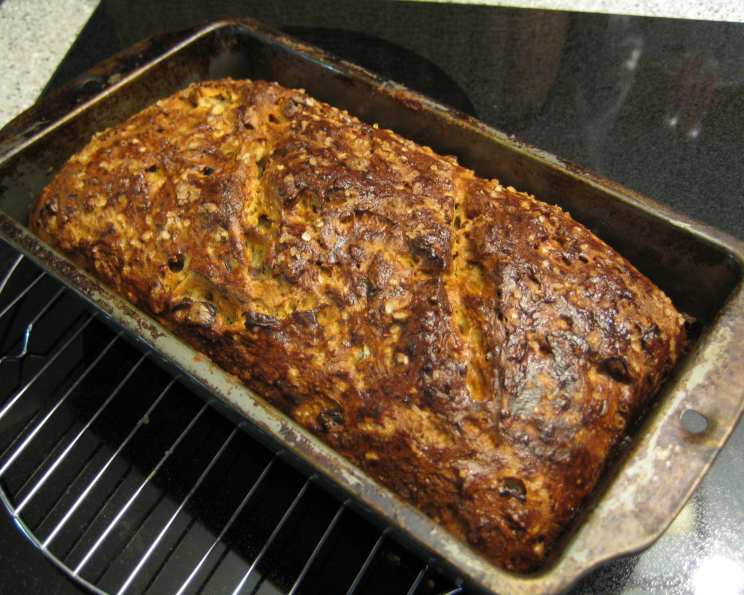
Gluten-Free Kalamata Olive and Rosemary Bread: A Taste of the Mediterranean
The scent of rosemary always transports me back to a small trattoria nestled in the hills of Tuscany. Sunlight streamed through the open windows as I sat at a rustic wooden table, anticipating the meal to come. Then, a simple loaf of bread arrived, studded with olives and fragrant with rosemary. It was earthy, satisfying, and utterly unforgettable. This gluten-free Kalamata Olive and Rosemary Bread attempts to capture that very essence – a taste of the Mediterranean, accessible to everyone.
Recipe Overview
- Prep Time: 30 minutes
- Cook Time: 40 minutes
- Rise Time: 90 minutes
- Total Time: 2 hours 40 minutes
- Servings: 12
- Yield: 1 loaf (9×5″ pan)
- Dietary Type: Gluten-Free
Ingredients
- ½ cup amaranth flour
- ¼ cup garbanzo flour
- ¼ cup rice flour, plus 2 tablespoons rice flour
- 5 tablespoons teff flour
- ¼ cup tapioca starch
- ¼ cup arrowroot
- 2 tablespoons flax seed meal (ground flax seeds)
- 3 teaspoons xanthan gum
- 1 ½ tablespoons fresh rosemary, finely minced
- ½ cup pitted kalamata olives, chopped roughly
- 2 teaspoons active dry yeast
- 1 teaspoon salt
- 2 whole eggs
- 2 eggs, whites separated from yolks (yolks reserved for glaze)
- ¾ cup water, room temperature
- 5 tablespoons extra virgin olive oil
- 1 ½ tablespoons honey
- 2 teaspoons apple cider vinegar
- Optional: coarse sea salt crystals, for crust
Equipment Needed
- 9×5″ bread pan
- Medium mixing bowl
- Large mixing bowl
- Hand mixer
- Wooden spoon
- Spatula or knife
- Small bowl
Instructions
-
Preheat the oven to 200°F (93°C). This initial low temperature provides a warm environment for the dough to rise, especially important in gluten-free baking.
-
Sift the flours, yeast, and all other dry ingredients (except coarse sea salt) into a medium bowl. Sifting ensures a light and airy texture.
-
Stir in the flax seed meal and minced rosemary, and combine all the dry ingredients thoroughly. This distributes the flavors evenly throughout the bread.
-
Combine the wet ingredients, including the two whole eggs and the two separated egg whites, in a large bowl.
-
Using a hand mixer on low to medium speed, whisk the wet ingredients until fully combined.
-
Add the chopped kalamata olives to the wet ingredient mixture.
-
Slowly add the dry ingredient mixture to the wet ingredients.
-
Mix with a wooden spoon until fully blended, ensuring there are no lumps. A wooden spoon provides the right amount of resistance for a well-combined dough.
-
Scrape the sides of the bowl regularly to ensure everything is incorporated.
-
Grease a 9×5″ bread pan thoroughly to prevent sticking.
-
Pour the dough into the prepared pan.
-
Use a spatula or knife to evenly shape the top of the loaf. A smooth top will result in a more evenly baked bread.
-
Cut two diagonal slashes in the top of the loaf. These slashes allow the bread to expand during baking and prevent cracking.
-
Beat the two separated egg yolks that have been set aside.
-
Brush the top of the loaf very lightly with the beaten egg yolks. This will create a beautiful golden-brown crust.
-
Optional: Sprinkle coarse sea salt crystals very sparsely to embellish the loaf. This adds a touch of visual appeal and a burst of salty flavor.
-
Turn off the oven and immediately place the pan inside.
-
Do not open the oven door (if possible) to maintain a consistent warm environment for rising.
-
Allow the dough to rise for 90 minutes. It should rise to the very top of the pan. This crucial step allows the yeast to work its magic and create a light and airy texture.
-
Increase the oven temperature to 350°F (175°C) and bake for approximately 40 minutes.
-
The crust should be golden-brown. Use a toothpick inserted into the center to check for doneness; it should come out clean.
-
Allow the bread to cool slightly in the pan before removing it. This prevents it from crumbling.
-
Transfer the bread to a wire rack to finish cooling completely.
-
Do not slice the bread until it is no longer hot. This allows the internal structure to set, resulting in cleaner slices.
-
This loaf does not need to be frozen, but if there are leftovers after a few days, place slices in airtight bags and freeze.
Expert Tips & Tricks
- For an even more intense rosemary flavor, infuse the olive oil with rosemary sprigs for a few days before baking. Simply place a few sprigs of fresh rosemary in a jar of olive oil and let it sit in a cool, dark place.
- If you don’t have amaranth flour, you can substitute it with brown rice flour or sorghum flour.
- The amount of water may need to be adjusted slightly depending on the humidity and the specific flours used. The dough should be thick but pourable.
- To prevent the crust from becoming too dark, tent the loaf with aluminum foil during the last 15 minutes of baking.
- If you prefer a softer crust, brush the loaf with melted butter or olive oil immediately after removing it from the oven.
Serving & Storage Suggestions
This gluten-free Kalamata Olive and Rosemary Bread is delicious served warm or at room temperature. It pairs beautifully with a variety of dishes, including:
- Drizzled with olive oil and balsamic vinegar
- Served with hummus, tapenade, or other Mediterranean dips
- Alongside soups, stews, or salads
- Used to make grilled cheese sandwiches
- Toasted and topped with avocado and a sprinkle of red pepper flakes
Storage:
- Room Temperature: Store in an airtight container for up to 2 days.
- Refrigerator: Store in an airtight container for up to 5 days.
- Freezer: Slice and freeze in airtight bags for up to 2 months.
Reheating:
- Toaster: Toast frozen or refrigerated slices until warmed through.
- Oven: Wrap the loaf in foil and bake at 350°F (175°C) for 10-15 minutes, or until heated through.
Nutritional Information
| Nutrient | Amount per Serving | % Daily Value |
|---|---|---|
| Calories | 140.5 kcal | – |
| Calories from Fat | 78 g | 56% |
| Total Fat | 8.8 g | 13% |
| Saturated Fat | 1.5 g | 7% |
| Cholesterol | 70.5 mg | 23% |
| Sodium | 268.2 mg | 11% |
| Total Carbohydrate | 12.3 g | 4% |
| Dietary Fiber | 1.3 g | 5% |
| Sugars | 2.3 g | – |
| Protein | 3.5 g | 7% |
Note: Nutritional information is an estimate and may vary based on specific ingredients and preparation methods.
Variations & Substitutions
- Dairy-Free: This recipe is naturally dairy-free.
- Vegan: To make this recipe vegan, substitute the eggs with flax eggs (1 tablespoon flaxseed meal mixed with 3 tablespoons water per egg).
- Herb Variations: Experiment with other herbs like thyme, oregano, or basil.
- Olive Variations: Try using a mix of different olives, such as green olives or black olives.
- Add Cheese: For a richer flavor, incorporate ½ cup of grated Parmesan or Pecorino Romano cheese into the dough.
FAQs (Frequently Asked Questions)
Q: Why is the initial oven temperature so low for rising?
A: The low temperature provides a gentle, consistent warmth that encourages the yeast to activate without overheating the dough, which is crucial for gluten-free bread.
Q: Can I use a different type of gluten-free flour blend?
A: While you can experiment with other blends, results may vary. This recipe is specifically formulated for the combination of flours listed.
Q: My bread is gummy. What went wrong?
A: Gummy bread can be caused by underbaking or using too much liquid. Ensure the bread is fully cooked and adjust the water amount slightly if needed next time.
Q: Can I make this recipe without a hand mixer?
A: Yes, you can whisk the wet ingredients by hand, but it will require more effort.
Q: How can I tell if the bread is done baking?
A: The crust should be golden-brown, and a toothpick inserted into the center should come out clean. The internal temperature should reach 200-210°F (93-99°C).
Final Thoughts
I hope this Gluten-Free Kalamata Olive and Rosemary Bread brings a little taste of the Mediterranean to your table. Don’t be afraid to experiment with different variations and find what you love best. This bread is a delightful addition to any meal, whether enjoyed simply with a drizzle of olive oil or as part of a more elaborate spread. Let me know how it turns out and what your favorite pairings are – happy baking!