
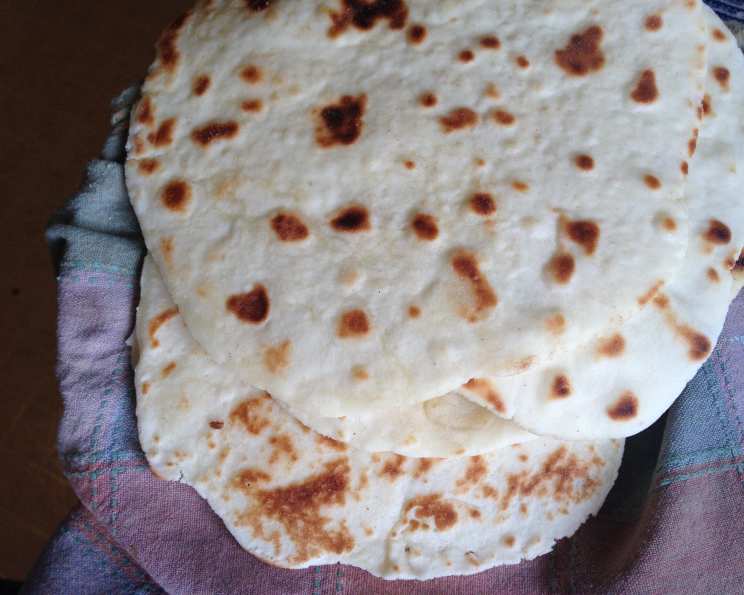
Gluten-Free Naan / Roti (Indian Flat Bread) – Version #1
The scent of warm, freshly baked bread always transports me back to my travels in India. I remember wandering through bustling markets, the air thick with the aroma of spices and sizzling foods. Among the most unforgettable experiences was watching street vendors expertly slap dough against the sides of scorching tandoor ovens, pulling out perfectly puffed, blistered naan. This recipe, while adapted for a gluten-free kitchen, aims to capture that same comforting warmth and simple deliciousness, allowing everyone to enjoy this staple bread regardless of dietary restrictions.
Recipe Overview
- Prep Time: 15 minutes
- Cook Time: 3-4 minutes per naan (approx. 20 minutes total)
- Total Time: 35 minutes
- Servings: 6
- Dietary Type: Gluten-Free
Ingredients
- 150 ml tepid whole milk
- 275 g rice flour
- 60 g tapioca flour
- ½ teaspoon salt
- 1 teaspoon gluten-free baking powder
- 2 teaspoons caster sugar
- 2 teaspoons active dry yeast
- 2 teaspoons vegetable oil
- 150 ml plain yogurt
- 1 egg, lightly beaten
- 1 teaspoon xanthan gum
- Ghee (optional) or olive oil (optional) for brushing
Equipment Needed
- Large mixing bowl or stand mixer
- Measuring cups and spoons
- Baking sheet
- Rolling pin
- Oven
- Broiler
Instructions
-
In a bowl, mix the tepid milk with 1 teaspoon of the caster sugar and the active dry yeast. Place the bowl in a warm place for 4-5 minutes. This allows the yeast to activate and ensures a good rise in the naan.
-
While the yeast is activating, in a separate bowl, sift together the rice flour, tapioca flour, xanthan gum, salt, and gluten-free baking powder. Sifting ensures that the dry ingredients are evenly distributed, preventing any lumps and resulting in a smoother dough. Alternatively, use a food mixer with a whisk attachment for this step.
-
Once the yeast mixture is bubbly, add the remaining caster sugar, vegetable oil, plain yogurt, and lightly beaten egg to the bowl containing the dry ingredients.
-
Mix all the ingredients together until a smooth dough forms. The dough will be slightly sticky, which is normal for gluten-free doughs. If using a stand mixer, use the dough hook attachment and mix on low speed until the dough comes together.
-
Preheat your oven to the highest setting. This high heat is crucial for creating the characteristic puffed and blistered texture of naan. At the same time, place a heavy baking tray in the oven to preheat. The hot baking tray will help to cook the naan quickly and evenly.
-
While the oven is preheating, divide the dough into 6 equal-sized balls. On a lightly floured surface (using rice flour to prevent sticking), roll out each ball into a tear shape that is approximately ¼ inch thick. The tear shape is traditional, but you can also roll them into circles if you prefer.
-
Carefully remove the preheated baking tray from the oven. Quickly place the rolled-out naan dough onto the hot tray.
-
Return the tray to the oven and bake for 3 minutes, or until the naan puffs up and turns light brown. Keep a close eye on them, as they can burn quickly at high heat.
-
For extra browning and that authentic tandoor-like blistered appearance, place the tray under the broiler for 30 seconds to 1 minute. Watch them very carefully during this step to prevent burning.
-
Once the naan is cooked, brush it with ghee or olive oil before serving. This adds flavor and a beautiful sheen.
Expert Tips & Tricks
- Yeast Activation is Key: Ensure your milk is tepid, not hot, as hot milk can kill the yeast. Also, give the yeast enough time to activate properly; you should see bubbling before proceeding.
- Dough Handling: Gluten-free dough can be tricky to work with. Don’t overwork it, and use rice flour liberally to prevent sticking. A silicone mat can also be helpful for rolling out the dough.
- Oven Temperature is Critical: The high oven temperature is essential for achieving the correct texture. If your oven tends to run hot, you might need to reduce the temperature slightly or shorten the cooking time.
- Broiling with Caution: Broiling is a delicate step. Keep a very close watch to avoid burning the naan. The goal is to achieve a slightly charred, blistered surface.
- Batch Baking: If you are baking multiple batches, make sure the baking tray is sufficiently hot before placing the naan on it. You can reheat the tray in the oven between batches if necessary.
Serving & Storage Suggestions
Serve the gluten-free naan warm, ideally straight from the oven. It pairs perfectly with curries, stews, grilled meats, or even enjoyed simply with a dollop of yogurt or chutney.
Leftover naan can be stored in an airtight container at room temperature for up to 2 days or in the refrigerator for up to 4 days. To reheat, wrap the naan in foil and warm it in a preheated oven at 350°F (175°C) for a few minutes. You can also reheat it in a dry skillet over medium heat. For longer storage, freeze the naan in a single layer in a freezer bag. Reheat directly from frozen in the oven or skillet.
Nutritional Information
| Nutrient | Amount per Serving | % Daily Value (Approximate) |
|---|---|---|
| Calories | 233 kcal | N/A |
| Calories from Fat | 42g | N/A |
| Total Fat | 4.7 g | 7% |
| Saturated Fat | 1.6 g | 8% |
| Cholesterol | 36.8 mg | 12% |
| Sodium | 228.6 mg | 9% |
| Total Carbohydrate | 41.1 g | 13% |
| Dietary Fiber | 1.5 g | 5% |
| Sugars | 3.9 g | N/A |
| Protein | 6 g | 11% |
Note: Nutritional information is an estimate and may vary based on specific ingredients and preparation methods.
Variations & Substitutions
- Dairy-Free: Substitute the whole milk with almond milk, oat milk, or another plant-based milk. Ensure the plant-based milk is tepid, not cold. Replace the plain yogurt with a dairy-free yogurt alternative.
- Spice Infusion: Add a pinch of ground cumin, coriander, or garam masala to the flour mixture for a more aromatic naan.
- Garlic Naan: Brush the cooked naan with garlic-infused ghee or olive oil for a fragrant twist. Simply mince a clove of garlic and saute it in the ghee or oil before brushing.
- Herb Naan: Sprinkle the rolled-out dough with chopped cilantro, parsley, or mint before baking.
FAQs (Frequently Asked Questions)
Q: Why is my naan not puffing up in the oven?
A: Ensure your oven is at the highest setting and the baking tray is preheated. Also, make sure your yeast is active and the dough has been properly mixed. The high heat is critical for creating the puff.
Q: My dough is too sticky. What should I do?
A: Gluten-free dough tends to be stickier than wheat-based dough. Use rice flour liberally on your work surface and rolling pin. You can also add a tablespoon or two of rice flour to the dough, but be careful not to overdo it, as this can make the naan dry.
Q: Can I make this naan ahead of time?
A: Yes, you can make the dough ahead of time. Wrap it tightly in plastic wrap and store it in the refrigerator for up to 24 hours. Bring the dough to room temperature before rolling it out and baking.
Q: Is xanthan gum necessary?
A: Xanthan gum acts as a binder in gluten-free baking, providing structure and preventing the naan from crumbling. While you can try omitting it, the texture may be affected.
Q: Can I cook this naan on the stovetop?
A: Yes, you can cook it on a hot, dry skillet. Cook each side for 2-3 minutes, or until browned and slightly puffed. However, the oven method yields a more authentic texture.
Final Thoughts
This gluten-free naan recipe brings a touch of Indian culinary tradition to your kitchen. Don’t be intimidated by gluten-free baking; with a little practice, you’ll be pulling out soft, flavorful flatbreads in no time. Experiment with different variations, pair it with your favorite curry, and share the warmth with friends and family. I encourage you to try this recipe and experience the joy of homemade bread, regardless of dietary restrictions!