
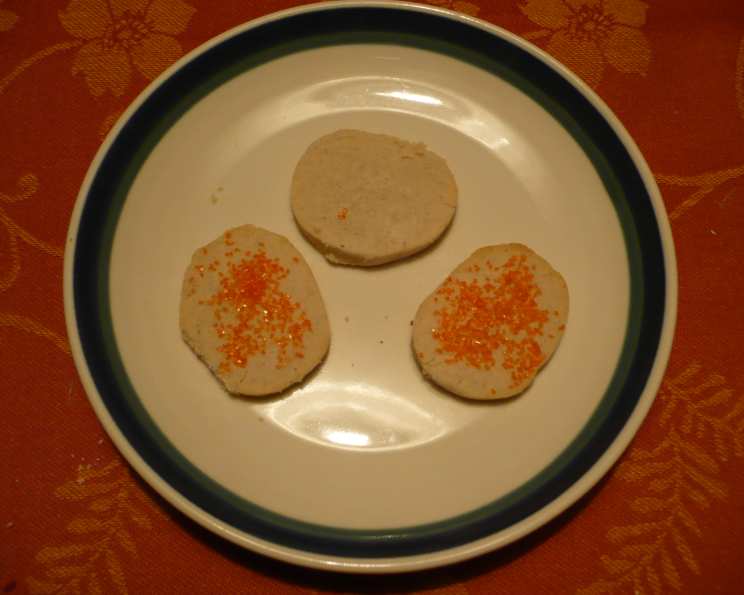
Gluten-Free Shortbread: A Classic Reimagined
The scent of shortbread baking always takes me back to my grandmother’s kitchen. She wasn’t a fancy baker, but her shortbread was legendary – a simple recipe passed down through generations. The buttery aroma would fill the house, a promise of warm comfort. I remember sneaking a still-warm cookie from the cooling rack, the delicate crumb melting in my mouth. Recreating that experience, but with a gluten-free twist, has been a labor of love, ensuring everyone can enjoy this classic treat.
Recipe Overview
- Prep Time: 20 minutes
- Cook Time: 10-15 minutes
- Total Time: At least 6 hours 20 minutes (includes chilling)
- Yields: Approximately 4 rolls, yielding roughly 60 slices total, depending on thickness.
- Serves: 60
- Dietary Type: Gluten-Free
Ingredients
- 1 lb (454g) butter, softened
- ½ cup (100g) brown sugar, packed
- ½ cup (60g) icing sugar, sifted
- 2 cups (240g) sweet rice flour
- 1 cup (120g) potato starch
- 1 cup (96g) light stoneground buckwheat flour
- Colored sugar sprinkles, assorted colors (optional)
Equipment Needed
- Large mixing bowl
- Measuring cups and spoons
- Plastic wrap
- Sharp knife
- Baking sheets
- Parchment paper
- Wire rack
Instructions
- In a large mixing bowl, combine the softened butter, brown sugar, and icing sugar.
- Using your hands or a stand mixer, mix the butter and sugars together until they are well combined and creamy.
- In the same bowl, add the sweet rice flour, potato starch, and light stoneground buckwheat flour.
- Work the ingredients together with your hands, kneading until a dough forms that holds together. It might seem crumbly at first, but continue working it until it comes together.
- Divide the dough into four equal portions.
- On a lightly floured surface (using one of the flours from the recipe), shape each portion into a roll approximately 1 ½ inches in diameter. Aim for uniform thickness for even baking.
- Wrap each roll tightly in plastic wrap.
- Chill the wrapped dough rolls in the refrigerator for at least 6 hours, or preferably overnight. This step is crucial for preventing the shortbread from spreading too much during baking.
- When ready to bake, preheat your oven to 350°F (175°C).
- Line baking sheets with parchment paper.
- Remove the chilled dough rolls from the refrigerator.
- Using a sharp knife, slice the rolls into ¼-inch thick cookies. If the dough is very firm, allow it to sit at room temperature for a few minutes to make slicing easier.
- Arrange the sliced cookies on the prepared baking sheets, leaving a little space between each cookie.
- If desired, sprinkle the cookies with colored sugar sprinkles before baking. Gently press the sprinkles into the dough so they adhere.
- Bake in the preheated oven for 10-15 minutes, or until the edges are very lightly golden brown. Keep a close eye on them, as gluten-free baked goods can brown quickly.
- Remove the baking sheets from the oven and carefully transfer the cookies to a wire rack to cool completely.
- Enjoy the gluten-free shortbread!
Expert Tips & Tricks
- Softened Butter is Key: Ensure your butter is softened but not melted. It should be pliable to the touch but still hold its shape. This is crucial for the right texture.
- Don’t Overmix: Overmixing the dough can lead to tough shortbread. Mix just until the ingredients come together.
- Chilling is Essential: The chilling period is not just for convenience; it allows the gluten-free flours to fully hydrate and prevents the shortbread from spreading excessively in the oven. Don’t skip it!
- Even Baking: To ensure even baking, rotate the baking sheets halfway through the baking time.
- Handling Delicate Dough: Gluten-free dough can be more delicate than traditional dough. Handle the slices gently when transferring them to the baking sheets.
- Preventing Cracks: If the shortbread cracks during baking, gently press them back together with a spatula as soon as they come out of the oven while they are still soft.
- Alternative Sweeteners: While the recipe calls for a combination of brown sugar and icing sugar, you can experiment with other sweeteners like coconut sugar or maple sugar. Keep in mind that this might slightly alter the flavor and texture.
- Flavor Infusions: Experiment with adding a teaspoon of vanilla extract, lemon zest, or almond extract to the dough for added flavor.
Serving & Storage Suggestions
Serve these gluten-free shortbread cookies as a delightful treat with a cup of tea or coffee. They are also wonderful as part of a dessert platter or given as a homemade gift.
To store, keep the cooled cookies in an airtight container at room temperature for up to 5 days. For longer storage, they can be frozen for up to 2 months. To freeze, arrange the cookies in a single layer on a baking sheet and freeze until solid. Then, transfer them to a freezer-safe container or bag. Thaw at room temperature before serving.
Nutritional Information
| Nutrient | Amount per Serving | % Daily Value |
|---|---|---|
| Calories | 100.5 kcal | N/A |
| Calories from Fat | 56 kcal | 56% |
| Total Fat | 6.3 g | 9% |
| Saturated Fat | 3.9 g | 19% |
| Cholesterol | 16.3 mg | 5% |
| Sodium | 46 mg | 1% |
| Total Carbohydrate | 10.6 g | 3% |
| Dietary Fiber | 0.5 g | 1% |
| Sugars | 2.9 g | 11% |
| Protein | 0.8 g | 1% |
Note: Nutritional information is an estimate and may vary based on specific ingredients and portion sizes.
Variations & Substitutions
- Dairy-Free Shortbread: Substitute the butter with a high-quality vegan butter alternative. Ensure the vegan butter is firm and suitable for baking.
- Nut-Free Shortbread: This recipe is naturally nut-free, but always double-check the labels of your ingredients to ensure they are processed in a nut-free facility, especially if you have severe allergies.
- Chocolate Chip Shortbread: Add ½ cup of dairy-free chocolate chips to the dough for a chocolatey twist.
- Lemon Shortbread: Add the zest of one lemon to the dough for a bright and citrusy flavor.
- Lavender Shortbread: Add 1-2 teaspoons of dried lavender buds to the dough for a floral and aromatic shortbread.
- Spice it Up: Add a pinch of ground cinnamon, nutmeg, or cardamom to the dough for a warm and comforting flavor.
FAQs (Frequently Asked Questions)
Q: Can I use a different gluten-free flour blend?
A: While this recipe is specifically designed for sweet rice flour, potato starch, and light stoneground buckwheat flour, you can experiment with other gluten-free blends. However, the texture and results may vary, so you might need to adjust the liquid or fat content accordingly.
Q: Why is chilling the dough so important?
A: Chilling the dough allows the butter to solidify, which prevents the shortbread from spreading too much during baking. It also helps to develop the flavor and improve the texture of the cookies.
Q: How do I know when the shortbread is done?
A: The shortbread is done when the edges are very lightly golden brown. Be careful not to overbake, as they can become dry.
Q: Can I freeze the shortbread dough?
A: Yes, you can freeze the dough for up to 2 months. Wrap it tightly in plastic wrap and store it in a freezer-safe bag or container. Thaw in the refrigerator overnight before slicing and baking.
Q: My shortbread is crumbly. What did I do wrong?
A: Crumbly shortbread can be caused by several factors, including not using enough butter, overmixing the dough, or not chilling the dough long enough. Make sure to use softened butter and mix just until the ingredients come together. Ensure the dough is chilled for at least 6 hours.
Final Thoughts
These gluten-free shortbread cookies are a testament to the fact that you don’t have to sacrifice taste or texture when baking without gluten. Whether you’re gluten-free or simply looking for a delicious and easy treat, this recipe is sure to become a favorite. I encourage you to try it, experiment with different flavors, and share your creations with friends and family. These cookies are a perfect accompaniment to a warm cup of tea or coffee, making them ideal for cozy afternoons and special occasions. Happy baking!