
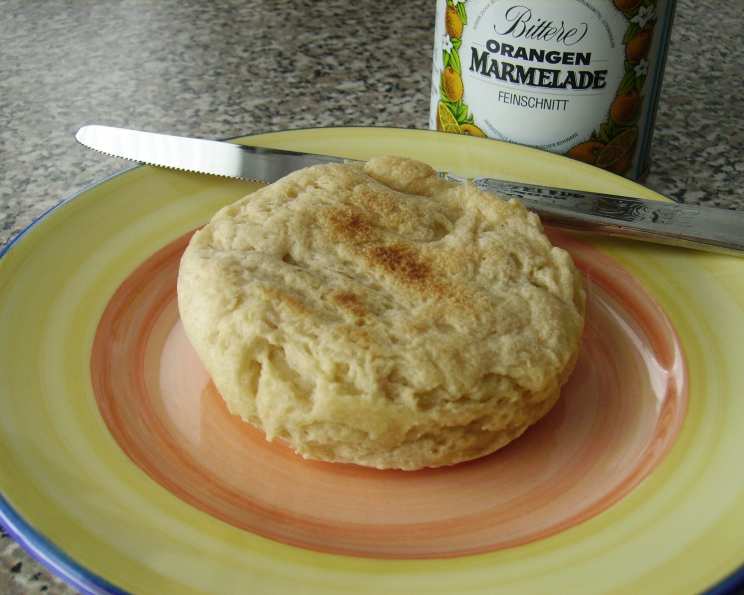
Gluten-Free Sourdough English Muffins: A Culinary Revelation
The clatter of the cast-iron skillet, the faint sizzle of butter melting, the anticipation of that first bite – these are the sounds and feelings deeply intertwined with my childhood weekend mornings. While my grandmother’s legendary English muffins were a gluten-filled delight, the memory of their texture and aroma has fueled my pursuit of a gluten-free version that truly captures that same essence. After countless trials, I’m thrilled to share this recipe, born from a love of tradition and a commitment to inclusive cooking. This recipe honors that memory while embracing the innovation of gluten-free baking.
Recipe Overview
- Prep Time: 20 minutes
- Cook Time: 14-20 minutes
- Total Time: 1 hour 34 minutes – 2 hours 20 minutes (includes rising time)
- Servings: 6
- Yield: 6 English muffins
- Dietary Type: Gluten-Free
Ingredients
- 3/4 cup (4 oz) gluten-free flour
- 3/4 cup (4 oz) potato starch
- 1/4 teaspoon instant yeast
- 1 teaspoon xanthan gum
- 1 1/4 teaspoons salt
- 1 cup active gluten-free sourdough starter
- 1/2 – 3/4 cup water
- 2 tablespoons vegetable oil
- 1 large egg
- Cornmeal (optional, for dusting)
Equipment Needed
- Large mixing bowl
- Electric mixer
- Plastic wrap
- Electric griddle or stovetop griddle
- 6 English muffin rings
- Spatula
- Cooling rack
- Instant-read thermometer
Instructions
-
In a large mixing bowl, whisk together the gluten-free flour, potato starch, instant yeast, xanthan gum, and salt until thoroughly combined. This step ensures even distribution of the ingredients, crucial for the muffin’s texture.
-
Add the dry ingredients to the active gluten-free sourdough starter. Using an electric mixer, beat the mixture until well-blended. This initial mixing will activate the gluten-free flours and begin the fermentation process.
-
Add the water (starting with 1/2 cup and adding more as needed until the desired consistency is reached), vegetable oil, and egg to the mixture. Beat on high speed for 2 to 3 minutes. The batter should resemble a thick paste. It should be pourable, but not runny. This vigorous mixing incorporates air and creates a smooth, cohesive batter.
-
Cover the bowl with plastic wrap and allow the batter to rise in a warm place for 1 to 2 hours. The batter won’t double in size, but it will be noticeably puffy. The rising time allows the sourdough starter to work its magic, developing the characteristic tang and airy texture.
-
Preheat your electric or stovetop griddle to a medium heat. Lightly spray 6 English muffin rings with oil. If desired, sprinkle the surface of the griddle inside the rings with cornmeal to help prevent sticking. The cornmeal adds a pleasant texture and helps to create a crispy bottom.
-
When the griddle is hot, carefully divide the batter evenly among the prepared rings. Ensure that the batter fills each ring consistently for uniform cooking.
-
Cook until the bottoms are set and lightly golden brown, then carefully remove the rings. This usually takes a few minutes. Removing the rings allows the sides to cook evenly and develop a nice crust.
-
Cook for 7 to 10 minutes on the first side, then flip over.
-
Cook for another 7 to 10 minutes, or until the muffins reach an internal temperature of 210°F (99°C). An instant-read thermometer is your best friend here, guaranteeing that the muffins are fully cooked through.
-
Transfer the cooked English muffins to a wire rack to cool completely before cutting and/or freezing. Cooling on a rack prevents the bottoms from becoming soggy.
Expert Tips & Tricks
- Hydration is key: Gluten-free flours can vary in their absorbency. Start with the lesser amount of water (1/2 cup) and gradually add more until you achieve a thick, paste-like consistency.
- Don’t rush the rise: While the batter won’t double, the rise is crucial for developing the right texture and flavor. A warm environment will help speed up the process.
- Griddle temperature: Medium heat is essential. Too high, and the muffins will burn on the outside before they are cooked through. Too low, and they will be pale and dense.
- English muffin rings: If you don’t have English muffin rings, you can try using wide-mouth mason jar lids (without the inserts) or cutting circles of parchment paper. However, the rings help maintain the shape of the muffins.
- “Fork-split” for the best texture: Instead of cutting the muffins with a knife, use a fork to split them horizontally. This creates a rough surface that is perfect for soaking up butter and jam.
- Revive stale muffins: If your muffins are a little stale, you can refresh them by lightly toasting them or steaming them for a few minutes.
Serving & Storage Suggestions
Serve these gluten-free sourdough English muffins warm, split, and toasted with your favorite toppings. Butter, jam, cream cheese, or even a fried egg are all excellent choices.
- Room Temperature: Store cooled muffins in an airtight container at room temperature for up to 2 days.
- Refrigerator: For longer storage, keep them in the refrigerator for up to 5 days.
- Freezer: To freeze, wrap each muffin individually in plastic wrap and then place them in a freezer bag. They can be frozen for up to 2 months. To reheat, thaw overnight in the refrigerator or microwave on low power until softened. Toast to restore crispness.
Nutritional Information
| Nutrient | Amount per Serving | % Daily Value |
|---|---|---|
| Calories | 123.9 kcal | N/A |
| Calories from Fat | 48 g | 39% |
| Total Fat | 5.4 g | 8% |
| Saturated Fat | 0.9 g | 4% |
| Cholesterol | 31 mg | 10% |
| Sodium | 508 mg | 21% |
| Total Carbohydrate | 16.8 g | 5% |
| Dietary Fiber | 1.2 g | 4% |
| Sugars | 0.7 g | 2% |
| Protein | 2.5 g | 4% |
Note: Nutritional information is an estimate and may vary based on specific ingredients and preparation methods.
Variations & Substitutions
- Dairy-Free: Substitute the egg with a flax egg (1 tablespoon ground flaxseed mixed with 3 tablespoons water, let sit for 5 minutes to thicken). Ensure your sourdough starter is also dairy-free.
- Sweet Muffins: Add 1-2 tablespoons of granulated sugar or honey to the dry ingredients for a sweeter flavor. You can also incorporate dried fruit like raisins or cranberries.
- Savory Muffins: Add chopped herbs (rosemary, thyme, chives), grated cheese, or cooked bacon to the batter for a savory twist.
- Flour Blend: While this recipe calls for a specific combination of gluten-free flour and potato starch, you can experiment with other gluten-free flour blends. However, be aware that the texture and results may vary. King Arthur Measure for Measure Gluten-Free Flour may work well.
FAQs (Frequently Asked Questions)
Q: Can I use a different type of gluten-free flour?
A: While the recipe is specifically formulated for the blend of gluten-free flour and potato starch, you can experiment with other gluten-free all-purpose blends. Be aware that the results may vary, and you may need to adjust the amount of water.
Q: My batter is too thick/thin. What should I do?
A: If the batter is too thick, add a tablespoon of water at a time until you reach a thick, paste-like consistency. If it’s too thin, add a tablespoon of gluten-free flour or potato starch until it thickens.
Q: How do I know when the muffins are done?
A: The best way to check for doneness is to use an instant-read thermometer. The internal temperature should reach 210°F (99°C). The muffins should also be golden brown on both sides and firm to the touch.
Q: Can I make the batter ahead of time?
A: It is not recommended to make the batter too far in advance, as the sourdough starter will continue to ferment, potentially resulting in a sour or overly tangy flavor. Making the batter 1-2 hours before cooking is fine.
Q: Why are my muffins flat?
A: Flat muffins can be caused by several factors, including using too much water, not letting the batter rise enough, or using a griddle that is not hot enough. Ensure that you are following the recipe carefully and using the correct techniques.
Final Thoughts
These gluten-free sourdough English muffins are more than just a recipe; they are a testament to the fact that you can enjoy delicious, comforting foods even with dietary restrictions. Don’t be intimidated by the sourdough process—the satisfying result is well worth the effort. I encourage you to try this recipe, embrace the process, and share your own creative variations. A perfectly toasted English muffin topped with a smear of butter is a simple pleasure, and everyone deserves to experience it! Happy baking!