
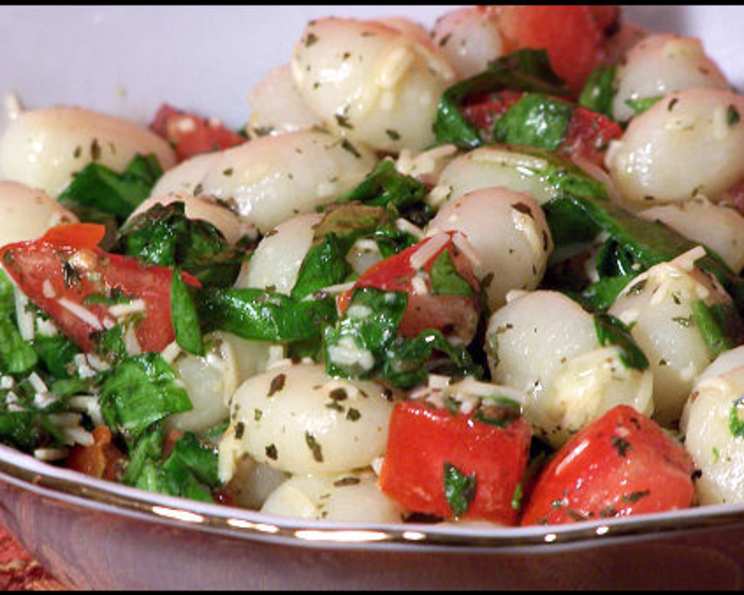
Gnocchi Parisienne: A Culinary Bridge Between France and Italy
I remember the first time I tasted Gnocchi Parisienne. It wasn’t in a fancy Parisian bistro, but at a small, family-run trattoria nestled in the hills of Tuscany. The chef, a jovial woman named Nonna Emilia, insisted I try her “French-Italian surprise.” One bite of those light, airy dumplings, bathed in buttery goodness and bursting with fresh tomato and basil, and I was hooked. It was a dish that effortlessly blended the elegance of French technique with the rustic charm of Italian flavors – a culinary harmony that I’ve been chasing ever since.
Recipe Overview
- Prep Time: 20 minutes
- Cook Time: 20 minutes
- Total Time: 40 minutes
- Servings: 6
- Dietary Type: Not Gluten-Free
Ingredients
FOR THE GNOCCHI DOUGH
- 4 tablespoons unsalted butter (1/2 stick)
- 1 cup milk
- 1 cup all-purpose flour
- 3 large eggs
- 1⁄2 teaspoon salt
- 3 tablespoons grated parmesan cheese
- 1⁄8 teaspoon grated nutmeg
TO FINISH THE DISH
- 3 tablespoons unsalted butter, melted
- 3 tablespoons virgin olive oil
- 1⁄3 cup grated parmesan cheese, plus a few Parmesan shavings for garnish
- 1⁄2 cup shredded basil
- 1 tomato, diced
Equipment Needed
- Small, heavy saucepan
- Sturdy wooden spoon
- Food processor
- Large saucepan
- Tablespoon
- Pastry bag (optional)
- Paring knife (optional)
- Slotted spoon
- Bowl of ice water
- Warm platter or gratin dish(es)
Instructions
-
In a small, heavy saucepan, melt the butter in the milk over medium heat. Bring the mixture to a boil.
-
Remove the pan from the heat. Add the flour all at once, mixing it in quickly and vigorously with a sturdy wooden spoon. It’s crucial to incorporate the flour completely and swiftly to prevent lumps from forming.
-
Return the pan to low heat and continue stirring constantly. The mixture will begin to form a solid mass, pulling away from the sides of the pan. Keep cooking for about 1 minute to dry it somewhat. This step is vital for creating a light and airy gnocchi.
-
Transfer the dough to the bowl of a food processor. Process for 4 to 5 seconds to break it up slightly and cool it down before adding the eggs.
-
Add the eggs, salt, 3 tablespoons Parmesan cheese, and nutmeg to the food processor. Process for 15 to 20 seconds, or until the dough is very smooth and homogenous. The dough should be thick and slightly sticky.
-
Heat about 3 inches of water in a large saucepan over medium heat. It’s important to maintain a gentle simmer, not a rolling boil. If the dumplings boil, they will cook too fast, expand excessively, and potentially deflate. The goal is to poach them gently.
-
Using 1 1/2 to 2 teaspoons of dough per dumpling, scoop up the dough with a tablespoon. Then, with your index finger, push the dough off the spoon and into the water in the saucepan. Release the dough close to the water’s surface to prevent splashing.
-
Repeat the scooping and releasing process, creating the gnocchi as quickly as possible until all the dough is used up. Work efficiently to ensure even cooking.
-
Alternatively, fit a pastry bag with a 1-inch plain tip and fill the bag with the gnocchi dough. Rest the tip on the edge of the saucepan, press the dough out, and cut it off at the tip with a paring knife as the dough emerges, making small gnocchi, each approximately 1 1/2 inches long. This method offers more uniform gnocchi shapes.
-
Poach the gnocchi in the simmering water for approximately 3 minutes. They will rise to the surface when they are cooked sufficiently. Don’t overcrowd the pan; work in batches if necessary.
-
Using a slotted spoon, lift the gnocchi carefully from the water and place them in a bowl of ice water to cool. This step stops the cooking process and prevents them from becoming mushy. They will sink to the bottom of the bowl when cool.
-
Drain the gnocchi and use them right away, or refrigerate them for later use. If refrigerating, store them in a single layer to prevent sticking.
-
At serving time, drop the gnocchi into a saucepan containing about 3 inches of boiling water. Cook at a very gentle boil for 6 to 8 minutes, depending on their size. They are ready when heated through.
-
Meanwhile, stir the melted butter and olive oil together in a small bowl. This creates a simple yet flavorful sauce.
-
When the gnocchi are cooked inside and lightly puffed, transfer them with a slotted spoon to a warm platter.
-
Toss the gnocchi lightly with the butter and oil mixture, ensuring they are evenly coated. Sprinkle with the 1/3 cup grated Parmesan cheese.
-
Alternatively, preheat the oven to 375°F (190°C). Arrange the cold gnocchi in one layer in one large or two smaller gratin dishes. Pour on the butter and oil mixture, and top with the grated cheese. Bake for 20 to 25 minutes, until puffed and lightly browned. This method creates a crispy top and a warm, comforting interior.
-
Sprinkle with the basil, diced tomatoes, and Parmesan cheese shavings, and serve immediately.
Expert Tips & Tricks
- Perfecting the Pâte à Choux: The base of Gnocchi Parisienne is a pâte à choux, the same dough used for cream puffs and éclairs. Pay close attention to the cooking process on the stovetop. The dough should form a ball and pull away from the sides of the pan before transferring to the food processor.
- Don’t Overwork the Dough: Over-processing the dough after adding the eggs can result in tough gnocchi. Mix just until smooth.
- Poaching Temperature is Key: Avoid a rapid boil when poaching. Gentle simmering prevents the gnocchi from becoming misshapen and ensures even cooking.
- Make Ahead: The gnocchi can be made ahead of time and refrigerated for up to 24 hours. This is a great way to break down the cooking process.
- Freezing: For longer storage, freeze the poached gnocchi on a baking sheet in a single layer. Once frozen solid, transfer them to a freezer bag. They can be cooked directly from frozen, adding a few extra minutes to the boiling time.
Serving & Storage Suggestions
Serve Gnocchi Parisienne immediately after cooking for the best texture and flavor. Garnish generously with fresh basil, diced tomatoes, and Parmesan shavings for an appealing presentation. For a more substantial meal, serve alongside a simple green salad or roasted vegetables.
Leftovers can be stored in an airtight container in the refrigerator for up to 2 days. Reheat gently in a skillet with a little butter or olive oil, or in the oven. Avoid microwaving, as this can make the gnocchi rubbery.
Nutritional Information
| Nutrient | Amount per Serving | % Daily Value |
|---|---|---|
| Calories | 356.7 kcal | N/A |
| Calories from Fat | 240 g | 67% |
| Total Fat | 26.8 g | 41% |
| Saturated Fat | 12.6 g | 62% |
| Cholesterol | 154.2 mg | 51% |
| Sodium | 375.4 mg | 15% |
| Total Carbohydrate | 19.3 g | 6% |
| Dietary Fiber | 1 g | 3% |
| Sugars | 0.9 g | N/A |
| Protein | 10.1 g | 20% |
Note: Nutritional information is an estimate and may vary based on specific ingredients and preparation methods.
Variations & Substitutions
- Gluten-Free: While traditionally made with all-purpose flour, you can experiment with gluten-free flour blends. Be mindful that the texture might differ slightly.
- Vegetarian: Ensure that the Parmesan cheese used is vegetarian-friendly, as some varieties contain animal rennet.
- Different Cheeses: Try using Pecorino Romano instead of Parmesan for a sharper, saltier flavor.
- Herb Variations: Incorporate other fresh herbs like thyme, oregano, or chives into the dough for added flavor.
- Sauce Variations: While the simple butter and oil sauce is classic, feel free to experiment with other sauces like pesto, marinara, or a creamy mushroom sauce.
FAQs (Frequently Asked Questions)
Q: What’s the difference between Gnocchi Parisienne and regular gnocchi?
A: Traditional gnocchi is made with potatoes, while Gnocchi Parisienne is made with a pâte à choux dough, similar to what’s used for cream puffs, giving them a lighter, airier texture.
Q: Can I use store-bought gnocchi for this recipe?
A: While you can use store-bought gnocchi, the texture and flavor will be different. Gnocchi Parisienne is best when made from scratch.
Q: How do I prevent the gnocchi from sticking together while poaching?
A: Ensure the water is simmering gently and not boiling vigorously. Don’t overcrowd the pan, and keep the gnocchi moving gently as they cook.
Q: Why are my gnocchi tough?
A: Overworking the dough after adding the eggs is the most common cause of tough gnocchi. Mix just until smooth. Also, ensure you’re not boiling them too vigorously.
Q: Can I freeze the gnocchi after cooking?
A: Yes, you can freeze the poached gnocchi on a baking sheet in a single layer. Once frozen solid, transfer them to a freezer bag for longer storage.
Final Thoughts
Gnocchi Parisienne is more than just a dish; it’s a culinary adventure that blends the best of French and Italian traditions. Don’t be intimidated by the pâte à choux – with a little patience and attention to detail, you can create these delicate, flavorful dumplings in your own kitchen. I encourage you to give this recipe a try, experiment with different flavors and sauces, and share your creations with friends and family. After all, food is best enjoyed when shared!