
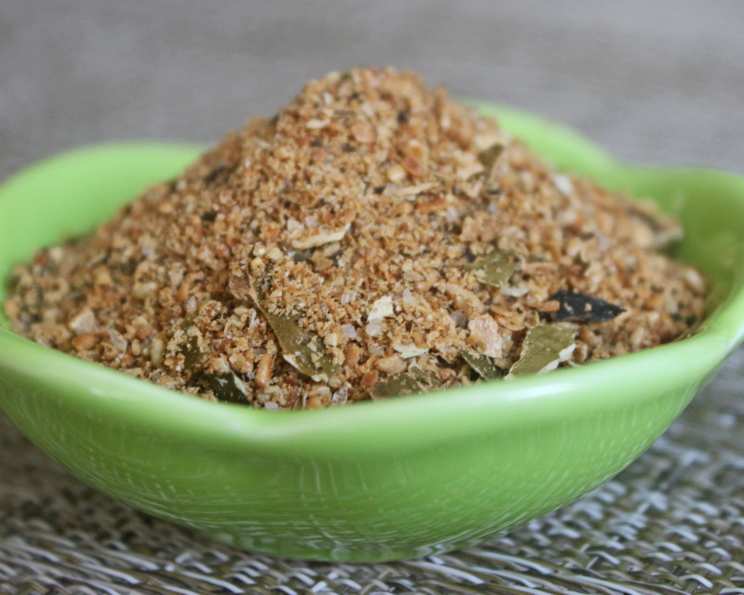
Gomasio: A Taste of Japan in Every Sprinkle
The first time I encountered gomasio was in a tiny, bustling vegetarian cafe in Kyoto. The air hummed with quiet energy, and every dish seemed to be touched with a certain magic. My simple bowl of steamed rice and greens transformed into something extraordinary with just a sprinkle of this savory, nutty condiment. It wasn’t just salt; it was an experience, a grounding flavor that elevated everything it touched. I was instantly hooked and have been making my own ever since, a small ritual that connects me back to that peaceful corner of Japan.
Recipe Overview
- Prep Time: 5 minutes
- Cook Time: 8-10 minutes
- Total Time: 15 minutes
- Yields: 2 cups
- Dietary Type: Vegan, Gluten-Free
Ingredients
- 2 cups brown sesame seeds (NOT white sesame seeds)
- 1 tablespoon sea salt
- 1 strip kombu seaweed (roughly a 6-inch by 1 1/2-inch wide piece) – optional
Equipment Needed
- 10-inch cast-iron skillet (or other heavy-bottomed skillet)
- Mortar and pestle, Japanese suribachi, or blender
Instructions
- Toast the Salt and Seaweed: Place a clean, dry 10-inch cast-iron skillet (or similar) over medium heat. Add the sea salt and kombu strip (if using). Lightly toast, stirring occasionally. The salt will turn a subtle greyish color as it heats.
- Break the Kombu (Optional): If using kombu, remove it from the pan after toasting and let it cool slightly. Once cool enough to handle, break the kombu strip into small pieces and return them to the pan. If omitting the kombu, simply proceed to the next step.
- Toast the Sesame Seeds: Add the brown sesame seeds to the pan with the salt and kombu. Toast for about 6-8 minutes, or until the seeds are light golden brown and fragrant. It’s crucial to stir constantly while the seeds toast to prevent burning. Watch carefully and reduce the heat if necessary to avoid scorching. Burnt seeds will make the gomasio bitter, so it’s better to err on the side of caution.
- Cool the Mixture: Remove the pan from the heat and allow the sesame seed mixture to cool completely. This is important to prevent the seeds from becoming gummy during the grinding process.
- Grind the Seeds: Grind the cooled sesame seed mixture in batches. You can use a mortar and pestle, a Japanese suribachi, or a blender. Aim for a consistency similar to coarse cornmeal. Ideally, about 3/4 of the seeds should be ground, with the remaining 1/4 either partially ground or left whole for added texture. Be careful not to over-grind if using a blender, as this can release too much oil and create a paste. Pulse in short bursts.
- Store: Store the finished gomasio in an airtight container at room temperature. Do not refrigerate. Use within a month for the best flavor and freshness.
Expert Tips & Tricks
- Seed Selection is Key: Always use brown sesame seeds, not white. Brown sesame seeds have a richer, nuttier flavor that is essential for authentic gomasio.
- Control the Heat: Toasting the sesame seeds properly is crucial. Low and slow is the key. Don’t rush the process, and adjust the heat as needed to prevent burning.
- Toast the Salt Separately: Toasting the salt before adding the sesame seeds helps to remove any moisture and enhances its flavor.
- Grinding Technique: For the best texture, avoid grinding all the sesame seeds into a fine powder. A mix of coarsely ground and whole seeds creates a more interesting mouthfeel.
- Flavor Boost: For an extra layer of umami, try adding a small amount of dried shiitake mushroom powder to the mixture before grinding.
- Salt Variety: Experiment with different types of sea salt. Flaky sea salt or smoked sea salt can add unique nuances to your gomasio.
- Make Ahead: You can toast the sesame seeds ahead of time and store them in an airtight container. Grind them just before using for the freshest flavor.
Serving & Storage Suggestions
Gomasio is incredibly versatile. Sprinkle it on:
- Steamed rice or brown rice
- Salads
- Sauteed vegetables (especially greens like kale, spinach, or bok choy)
- Avocado toast
- Scrambled eggs or tofu scrambles
- Noodle dishes
- Soups
Store gomasio in an airtight container at room temperature, away from direct sunlight and heat. Properly stored, it will last for up to a month. While it won’t necessarily spoil after that, the flavor and aroma will diminish over time. Avoid refrigerating, as this can cause the sesame seeds to become stale.
Nutritional Information
| Nutrient | Amount per Serving (approx. 1 tbsp) | % Daily Value |
|---|---|---|
| Calories | 70 kcal | 4% |
| Total Fat | 6g | 8% |
| Saturated Fat | 0.9g | 5% |
| Cholesterol | 0mg | 0% |
| Sodium | 125mg | 5% |
| Total Carbohydrate | 2g | 1% |
| Dietary Fiber | 1g | 4% |
| Sugars | 0g | 0% |
| Protein | 2g | 4% |
Nutritional information is an estimate and may vary based on specific ingredients and preparation methods.
Variations & Substitutions
- Spicy Gomasio: Add a pinch of red pepper flakes or a dash of chili oil to the sesame seed mixture before grinding for a spicy kick.
- Citrus Zest: Incorporate finely grated citrus zest (lemon, orange, or yuzu) for a bright, aromatic flavor. Add the zest after toasting the seeds.
- Herbaceous Gomasio: Mix in dried herbs like thyme, rosemary, or oregano for an earthy, savory variation. Add the herbs after toasting the seeds.
- Nutty Gomasio: Combine sesame seeds with other nuts like almonds, walnuts, or sunflower seeds for a more complex flavor profile. Toast the nuts along with the sesame seeds.
- Seed Blend: Use a mix of black and brown sesame seeds for a more visually appealing and subtly different flavor.
FAQs (Frequently Asked Questions)
Q: Why is it important to use brown sesame seeds and not white?
A: Brown sesame seeds have a stronger, nuttier flavor that is more traditional in gomasio. White sesame seeds have a milder flavor that won’t give you the same depth of taste.
Q: Can I make gomasio without kombu?
A: Yes, kombu is optional. While it adds a subtle umami flavor, gomasio is still delicious without it.
Q: How do I know when the sesame seeds are properly toasted?
A: The sesame seeds should be light golden brown and fragrant. Watch them carefully and stir constantly to prevent burning. They will start to pop slightly when they are ready.
Q: Can I use a food processor instead of a mortar and pestle or blender?
A: A food processor can be used, but be very careful not to over-process. Pulse in short bursts to avoid turning the sesame seeds into a paste.
Q: How long does gomasio last?
A: Gomasio will last for up to a month when stored in an airtight container at room temperature. The flavor and aroma will diminish over time, so it’s best to use it within this timeframe.
Final Thoughts
Making your own gomasio is a simple yet transformative culinary experience. With just a few ingredients and a little bit of patience, you can create a versatile condiment that elevates everyday meals. Don’t be afraid to experiment with different flavors and variations to find your perfect blend. So, gather your ingredients, embrace the process, and prepare to add a touch of Japanese magic to your kitchen. I encourage you to try this recipe and share your own creative twists. Perhaps you’ll find that this simple sprinkle becomes an indispensable part of your culinary repertoire, just as it has for me. Consider pairing it with a simple miso soup or a vibrant seaweed salad for a complete Japanese-inspired meal.