
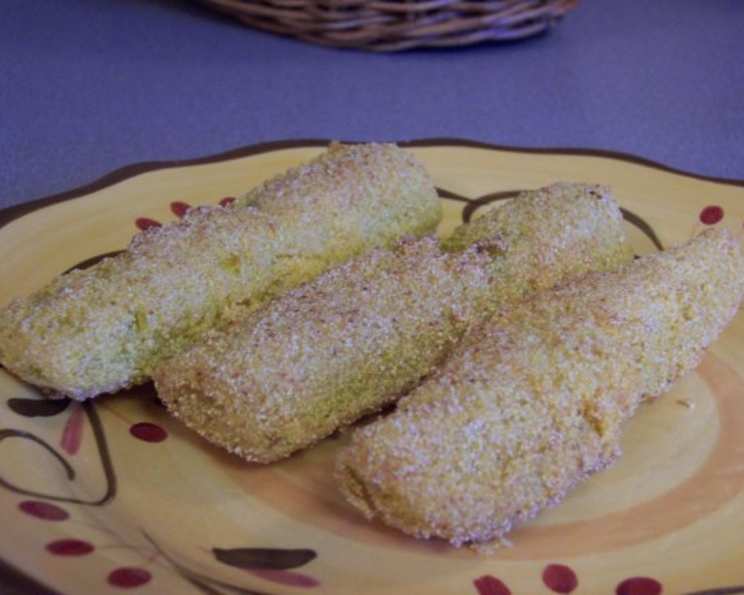
Good Eats: A Deep Dive into Alton Brown’s Deep Fried Pickles
The year was 2007, and my culinary world was forever changed by a television screen. Watching Alton Brown meticulously explain the science behind deep-fried deliciousness, specifically pickles, was nothing short of an epiphany. I remember thinking, “Pickles? Fried? Brilliant!” I immediately raced to the kitchen, a jar of dill spears in hand, ready to embark on a culinary adventure that would become a staple in my snack repertoire. The tangy crunch of the pickle, perfectly encased in a crispy cornmeal crust, remains one of my favorite guilty pleasures.
Recipe Overview
- Prep Time: 15 minutes
- Cook Time: 22 minutes
- Total Time: 37 minutes
- Yields: 32 spears
- Serves: 16
- Dietary Type: Vegetarian
Ingredients
- Peanut oil, for frying
- 1 quart dill pickles
- 1 cup buttermilk
- 2 cups plain cornmeal
- 1 tablespoon kosher salt, plus more if desired
Equipment Needed
- 4 to 5-quart cast iron Dutch oven
- Sheet pan
- Paper towels
- Shallow dish
- Cooling rack
- Half sheet pan
Instructions
-
Pour enough peanut oil into a 4 to 5-quart cast iron Dutch oven to come halfway up the side of the pot. Place the Dutch oven over medium-high heat and bring the oil to a temperature of 390 to 400 degrees F (199 to 204 degrees C). It’s crucial to use a reliable thermometer to ensure the oil is at the correct temperature. Too low, and you’ll end up with soggy pickles; too high, and they’ll burn before they’re cooked through.
-
Remove the pickles from their brine and cut them lengthwise into quarters, creating spears. This allows for maximum surface area for the batter to adhere to, ensuring a satisfying crunch in every bite.
-
Lay the pickle spears on a sheet pan lined with paper towels. Thoroughly pat them dry. This step is essential! Removing excess moisture helps the batter stick and prevents the oil from splattering excessively during frying.
-
Pour the buttermilk into one shallow dish and mix together the cornmeal and kosher salt in a separate dish. Setting up a proper dredging station is key for efficient and consistent battering.
-
Dip each pickle spear, one at a time, first into the buttermilk, then into the cornmeal mixture, and then repeat the process. The double dip creates a thicker, more robust crust that will stand up beautifully to the hot oil. Make sure each spear is fully coated.
-
Carefully place each battered pickle spear into the hot oil. Fry in batches of 3 to 4 at a time to avoid overcrowding the pot and lowering the oil temperature too much. Cook until the pickle spears are golden brown, approximately 2 minutes per batch.
-
Using a slotted spoon or spider, transfer the fried pickles to a cooling rack set in a half sheet pan. Allowing the pickles to drain on a rack instead of directly on paper towels helps them maintain their crispiness. Let the pickles cool for 5 minutes before serving.
-
Season with additional salt, if desired. The heat of the fresh-out-of-the-fryer pickle will help the salt adhere perfectly.
Expert Tips & Tricks
-
Temperature Control: Maintaining the oil temperature between 390 and 400 degrees F (199 to 204 degrees C) is paramount for achieving crispy, golden-brown pickles. Use a deep-fry thermometer and adjust the heat accordingly. If the temperature drops too low after adding the pickles, give it a few moments to recover.
-
Pickle Prep is Key: Thoroughly drying the pickle spears after removing them from the brine is crucial. Moisture is the enemy of crispiness.
-
Double Dredge for Success: The double-dipping method ensures a thick, even coating of cornmeal, which translates to a superior crunch.
-
Don’t Overcrowd the Pot: Frying in small batches prevents the oil temperature from plummeting, which can lead to soggy pickles.
-
Season Immediately: Salt adheres best to freshly fried foods. Seasoning the pickles while they’re still hot ensures maximum flavor.
-
Make-Ahead Prep: You can prep the pickle spears (cutting and drying) and the dredging station ahead of time. Just store the dried pickles in the refrigerator until ready to batter and fry.
-
Spicy Kick: For a spicy twist, add a pinch of cayenne pepper or a dash of hot sauce to the buttermilk mixture.
Serving & Storage Suggestions
Serve these delectable deep-fried pickles hot, ideally within minutes of frying, for the best texture and flavor. They are fantastic on their own as a snack or appetizer.
For an extra touch of presentation, consider arranging them artfully on a platter with a side of your favorite dipping sauce. Ranch dressing, creamy dill sauce, or even a spicy sriracha mayo are all excellent choices.
Leftover fried pickles are best enjoyed immediately, as they tend to lose their crispness over time. However, if you do have leftovers, store them in an airtight container in the refrigerator for up to 2 days. To reheat, preheat your oven to 350 degrees F (175 degrees C) and bake them on a wire rack for about 5-7 minutes, or until heated through. Reheating in the oven is preferable to microwaving, as it helps to restore some of the crispness.
Nutritional Information
| Nutrient | Amount per Serving | % Daily Value |
|---|---|---|
| Calories | 68 kcal | N/A |
| Calories from Fat | 6g | 10% |
| Total Fat | 0.8 g | 1% |
| Saturated Fat | 0.2 g | 0% |
| Cholesterol | 0.6 mg | 0% |
| Sodium | 915.8 mg | 38% |
| Total Carbohydrate | 13.9 g | 4% |
| Dietary Fiber | 1.5 g | 6% |
| Sugars | 2.1 g | 8% |
| Protein | 2 g | 3% |
Note: Nutritional information is an estimate and may vary based on specific ingredients and portion sizes.
Variations & Substitutions
-
Gluten-Free: Substitute the plain cornmeal with a gluten-free cornmeal blend or a mixture of rice flour and tapioca starch. Ensure the buttermilk is also gluten-free (some commercially available buttermilk may contain gluten).
-
Vegan: Replace the buttermilk with a plant-based alternative, such as a mixture of unsweetened soy milk or almond milk with a tablespoon of lemon juice or apple cider vinegar. Let it sit for a few minutes to curdle slightly before using.
-
Spice it Up: Add a pinch of cayenne pepper, smoked paprika, or chili powder to the cornmeal mixture for a spicy kick.
-
Herbaceous: Incorporate dried herbs like dill, parsley, or oregano into the cornmeal mixture for added flavor.
-
Sweet & Savory: Experiment with adding a touch of brown sugar or honey to the cornmeal mixture for a subtle sweet and savory flavor profile.
-
Different Pickles: While dill pickles are the classic choice, feel free to experiment with other types of pickles, such as bread and butter pickles or even spicy pickles, for a unique twist.
FAQs (Frequently Asked Questions)
Q: Can I use a different type of oil for frying?
A: While peanut oil is recommended due to its high smoke point, you can substitute it with other oils that have a high smoke point, such as canola oil, vegetable oil, or grapeseed oil. Avoid oils with low smoke points, like olive oil, as they can burn easily.
Q: How do I prevent the pickles from becoming soggy?
A: The key to preventing soggy pickles is to ensure they are thoroughly dried before battering, the oil is at the correct temperature (390-400°F), and the pot isn’t overcrowded during frying.
Q: Can I bake these instead of frying?
A: While baking will result in a healthier version, it won’t replicate the crispy texture achieved through frying. If you choose to bake, preheat your oven to 400°F (200°C), place the battered pickles on a baking sheet, and bake for about 15-20 minutes, flipping halfway through.
Q: What dipping sauce goes well with deep-fried pickles?
A: Ranch dressing, creamy dill sauce, spicy sriracha mayo, honey mustard, or even a simple remoulade sauce are all excellent choices.
Q: How long do these stay crispy?
A: Deep-fried pickles are best enjoyed immediately after frying for the optimal crispiness. They will start to soften as they cool down.
Final Thoughts
Now it’s your turn to dive into the satisfying world of deep-fried pickles! Don’t be intimidated; this recipe, while seemingly decadent, is surprisingly straightforward. Gather your ingredients, crank up the heat, and prepare for a flavor explosion that will tantalize your taste buds. I wholeheartedly encourage you to experiment with variations and dipping sauces to create your own signature fried pickle experience. And remember, cooking is all about having fun, so don’t be afraid to make a mess and enjoy the process. Share your creations and feedback – I’m eager to hear about your deep-fried pickle adventures! Pair these tangy treats with a refreshing craft beer or a crisp, dry white wine for the ultimate culinary experience. Happy frying!