
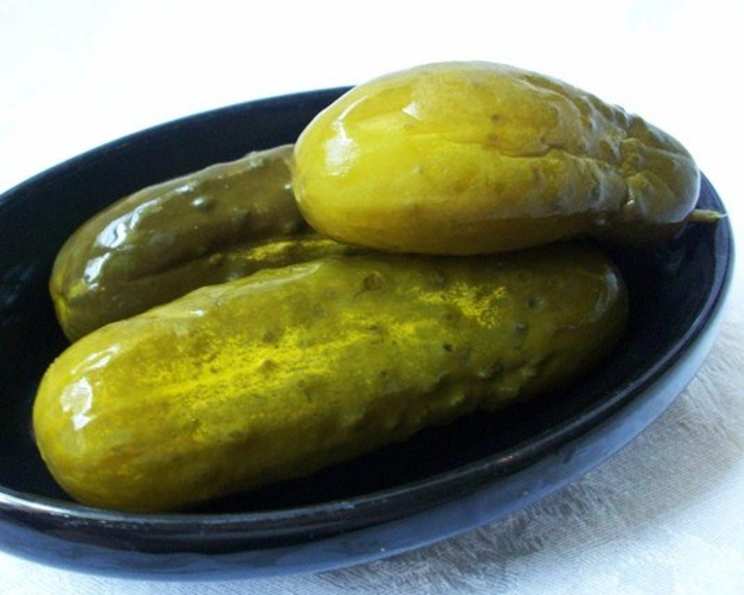
Good Eats Dill Pickles: A Culinary Time Machine
The sharp, tangy crunch of a perfectly fermented dill pickle instantly transports me back to my childhood summers. I can almost feel the sticky humidity of the county fair, the sun beating down as I reached into the brine-soaked barrel for that unmistakable, cooling bite. It was a simple pleasure, a taste of tradition passed down through generations, and one that I’ve been chasing in my own kitchen ever since. Recreating that experience at home felt like unlocking a culinary secret, and this recipe, inspired by Alton Brown’s methodical approach, does just that.
Recipe Overview
- Prep Time: 30 minutes
- Cook Time: 6-7 days fermentation, 3 days refrigeration
- Total Time: 9-10 days
- Servings: Varies (approx. 12)
- Yield: Approx. 3 pounds
- Dietary Type: Vegan, Gluten-Free, Dairy-Free
Ingredients
- 5 ½ ounces pickling salt, approximately ½ cup
- 1 gallon water, filtered
- 3 pounds pickling cucumbers, 4 to 6-inches long
- 1 tablespoon black peppercorns
- 1 tablespoon red pepper flakes
- 2 garlic cloves, crushed
- 1 teaspoon dill seed
- 1 bunch dill
Equipment Needed
- 1-gallon crock or food-safe container
- Pitcher
- 1-gallon zip-top plastic bag
- Kitchen knife
- Measuring spoons and cups
Instructions
-
Begin by preparing the cucumbers. Rinse the pickling cucumbers thoroughly under cold running water. It’s crucial to remove any dirt or debris that could interfere with the fermentation process. Snip off the blossom end stem of each cucumber. This part contains enzymes that can soften the pickle, so removing it helps maintain that desirable crunch. Set the prepared cucumbers aside.
-
Next, prepare the brine. In a pitcher, combine the 5 ½ ounces of pickling salt (approximately ½ cup) with the 1 gallon of filtered water. Stir vigorously until the salt has completely dissolved. This brine solution is the foundation of the pickling process, drawing out moisture from the cucumbers and creating an environment conducive to the growth of beneficial bacteria.
-
Now, assemble the flavor base in your fermentation vessel. At the bottom of a 1-gallon crock or other food-safe container, place the 1 tablespoon of black peppercorns, 1 tablespoon of red pepper flakes, 2 crushed garlic cloves, 1 teaspoon of dill seed, and the entire bunch of fresh dill. These aromatics will infuse the cucumbers with their distinctive flavors, creating the classic dill pickle taste.
-
Carefully add the pickling cucumbers to the crock on top of the aromatic spices and dill. Try to pack them in snugly but without bruising or damaging them. Even distribution ensures that all the cucumbers are equally exposed to the brine and spices.
-
Pour the prepared brine mixture over the cucumbers, making sure that they are completely submerged. It’s crucial that all the cucumbers are fully covered by the brine to prevent the growth of undesirable mold or bacteria.
-
To ensure the cucumbers remain submerged throughout the fermentation process, pour the remaining water into a 1-gallon zip-top plastic bag and seal it tightly. Place this bag on top of the pickles, using it as a weight to keep them submerged in the brine. This step is essential for successful fermentation.
-
Set the crock in a cool, dry place, away from direct sunlight. The ideal temperature for fermentation is between 60 and 70 degrees Fahrenheit. This stable environment allows the beneficial bacteria to thrive and convert the sugars in the cucumbers into lactic acid, which preserves them and creates that signature sour taste.
-
Check the crock after 3 days. You should see signs of fermentation, such as bubbles rising to the top of the crock. This indicates that the bacteria are actively working. After this initial check, check the crock daily and skim off any scum that forms on the surface of the brine. This scum is a byproduct of the fermentation process and should be removed to prevent off-flavors or spoilage. If scum forms on the plastic bag, rinse it off under cold water and return it to the top of the crock.
-
The fermentation is complete when the pickles taste sour and the bubbles have stopped rising to the top; this should take approximately 6 to 7 days. The exact fermentation time will depend on the temperature of your environment and the size of the cucumbers.
-
Once the fermentation is complete, cover the crock loosely and place it in the refrigerator for 3 days, skimming daily or as needed. This chilling period slows down the fermentation process and allows the flavors to mellow and develop further.
-
After the 3-day refrigeration period, the Good Eats Dill Pickles are ready to enjoy! Store the pickles in the refrigerator for up to 2 months, skimming as needed to remove any further scum that may form.
-
Should the pickles become soft or begin to take on an off odor, this is a sign of spoilage and they should be discarded.
Expert Tips & Tricks
- Crispness is Key: For extra-crisp pickles, soak the cucumbers in ice water for a few hours before brining. This helps to firm up their texture.
- Salt Selection: While pickling salt is ideal because it doesn’t contain iodine or anti-caking agents that can darken pickles, kosher salt can be used as a substitute in a pinch. Just be sure it’s pure salt without any additives.
- Spice It Up (or Down): Adjust the amount of red pepper flakes to your liking. For a milder pickle, reduce the amount or omit them altogether. For a spicier pickle, add more or use a hotter variety of pepper.
- Don’t Skip the Blossom End: Seriously, clip it. Those enzymes are pickle kryptonite.
- Weigh it Down: If you don’t have a zip-top bag handy, use a smaller plate or a clean glass jar filled with water to weigh down the cucumbers.
Serving & Storage Suggestions
These dill pickles are a fantastic addition to sandwiches, burgers, charcuterie boards, or simply enjoyed straight from the crock as a refreshing snack. They pair wonderfully with grilled meats, creamy cheeses, and spicy dishes. Store the pickles in the refrigerator in their brine for up to 2 months. Ensure they remain submerged in the brine to maintain their quality and prevent spoilage.
Nutritional Information
| Nutrient | Amount per Serving | % Daily Value |
|---|---|---|
| Calories | 20 kcal | 1% |
| Total Fat | 0.2g | 0% |
| Saturated Fat | 0.1g | 0% |
| Cholesterol | 0mg | 0% |
| Sodium | 5045mg | 210% |
| Total Carbohydrate | 5g | 1% |
| Dietary Fiber | 1g | 4% |
| Sugars | 2g | 4% |
| Protein | 1g | 2% |
Note: Nutritional information is an estimate and may vary based on specific ingredients and portion sizes.
Variations & Substitutions
- Garlic Lovers’ Delight: Add extra garlic cloves for a more intense garlic flavor. You can even use roasted garlic for a sweeter, more mellow taste.
- Sweet Heat Pickles: Add a touch of sweetness by including a tablespoon of sugar to the brine. This will balance the sourness and spiciness.
- Spicy Pickles: Use a few sliced jalapeños or habaneros in the crock to give your pickles a serious kick.
- Herbal Infusion: Experiment with other herbs like mustard seeds, coriander seeds, or bay leaves to create unique flavor profiles.
FAQs (Frequently Asked Questions)
Q: Can I use regular cucumbers instead of pickling cucumbers?
A: While you can, pickling cucumbers are specifically bred to have a firmer texture and fewer seeds, which makes them ideal for pickling. Regular cucumbers may become too soft during fermentation.
Q: My pickles are soft. What did I do wrong?
A: Soft pickles are often caused by not removing the blossom end of the cucumber, using too little salt in the brine, or fermenting at too high a temperature.
Q: How do I prevent mold from growing on top of the brine?
A: Ensuring the cucumbers are fully submerged in the brine is crucial. Skim off any scum that forms regularly, and make sure your fermentation vessel is clean.
Q: Can I reuse the brine?
A: It’s not recommended to reuse the brine. The brine contains bacteria and byproducts from the fermentation process, and reusing it could lead to inconsistent results or spoilage.
Q: How long will the pickles last in the refrigerator?
A: Properly fermented and stored dill pickles can last up to 2 months in the refrigerator. Be sure to keep them submerged in their brine.
Final Thoughts
Homemade dill pickles are a testament to the magic of fermentation, transforming simple ingredients into a culinary delight. This recipe, inspired by Alton Brown’s meticulous approach, empowers you to create that perfect balance of sour, salty, and savory in your own kitchen. So, gather your cucumbers, embrace the process, and prepare to be rewarded with a batch of crisp, tangy pickles that will rival any store-bought variety. Don’t be afraid to experiment with different spices and herbs to create your signature flavor, and most importantly, share your creations with friends and family. After all, good food is meant to be enjoyed together!