
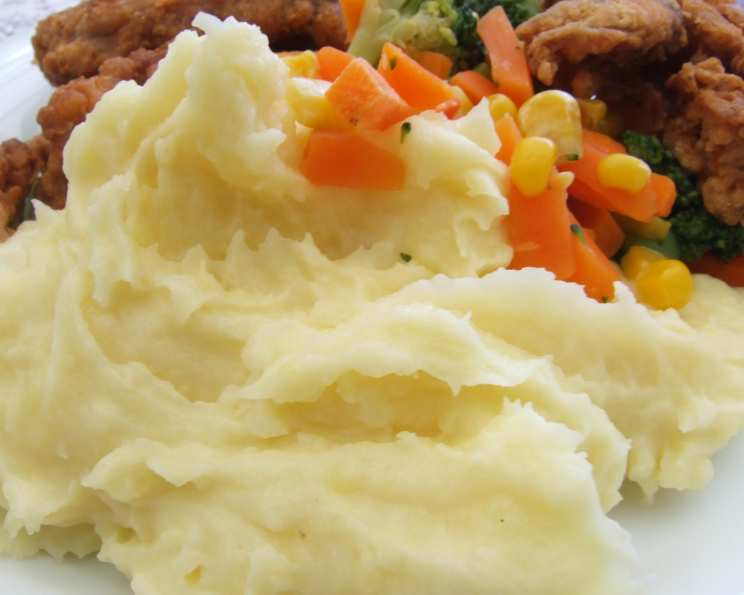
Good Old-Fashioned Mashed Potatoes: A Classic Comfort
The scent of mashed potatoes always brings me back to my grandmother’s kitchen. She had this magical ability to transform humble potatoes into fluffy clouds of comfort. I remember standing on a stool, watching her meticulously peel and chop, the rhythmic clatter of the knife a soothing soundtrack to my childhood. The best part, of course, was sneaking a taste of the creamy, buttery goodness straight from the pot – a secret we shared with a wink.
Recipe Overview
- Prep Time: 15 minutes
- Cook Time: 20 minutes
- Total Time: 35 minutes
- Servings: 6
- Yield: Variable, depending on potato size
- Dietary Type: Gluten-Free (naturally), Vegetarian
Ingredients
- 1 kg potatoes, peeled
- 50 g butter
- ¾ cup cream (or ¾ cup milk, or a combination of both)
- Salt, to taste
- White pepper, to taste
Equipment Needed
- Large saucepan
- Potato peeler
- Sharp knife
- Colander or strainer
- Potato masher or ricer
Instructions
- Begin by preparing your potatoes. Peel them thoroughly to remove any blemishes.
- Next, cut the peeled potatoes into approximately equal-sized pieces. This ensures even cooking, preventing some pieces from becoming mushy while others remain undercooked.
- Place the cut potatoes into a large saucepan. Add enough boiling water to completely cover the potatoes.
- Bring the water back to a boil, then reduce the heat to medium and let the potatoes simmer gently until they are tender. This usually takes about 15-20 minutes, but it depends on the size of the potato chunks.
- Test for doneness by piercing a piece of potato with a fork. It should slide in easily with little resistance. If the potatoes are still firm, continue cooking for a few more minutes, checking periodically.
- Once the potatoes are tender, carefully drain them in a colander or strainer, ensuring all the water is removed.
- Return the drained potatoes to the same saucepan. This is crucial for keeping them warm.
- Now, for the mashing! Use a potato masher or a ricer to mash the potatoes while they are still hot. The longer you mash, the smoother your mashed potatoes will be. Personally, I’m not a fan of lumpy mash, so I take my time with this step.
- Add the butter to the mashed potatoes and continue mashing until the butter is completely melted and incorporated. The heat from the potatoes will help the butter melt quickly.
- Gradually pour in the cream (or milk, or a combination of both) while continuing to mash. Add the cream/milk slowly, a little at a time, until you achieve a smooth and creamy consistency. If you prefer a softer, almost “sloppy” mash, add a little more cream/milk.
- Season the mashed potatoes generously with salt and white pepper to taste. Don’t be shy with the seasoning! Taste and adjust as needed until the flavor is just right.
- Serve immediately and enjoy!
Expert Tips & Tricks
-
Warm Milk/Cream: Warming the milk or cream before adding it to the potatoes can help them maintain their temperature and absorb the liquid more evenly, resulting in a fluffier texture.
-
Ricer vs. Masher: Using a ricer will create a smoother, almost ethereal mash, while a masher will give you a slightly chunkier, more rustic texture. The choice is yours!
-
Don’t Overmix: Be careful not to overmix the potatoes, as this can release too much starch and make them gluey. Mash until just combined.
-
Flavor Boosters: For an extra layer of flavor, try roasting a head of garlic and mashing the softened cloves into the potatoes along with the butter and cream. Alternatively, a sprinkle of fresh herbs like chives or parsley can add a bright, fresh touch.
-
Make-Ahead Tip: Mashed potatoes can be made ahead of time. Keep them warm in a slow cooker or double boiler. You may need to add a little extra milk or cream to rehydrate them.
Serving & Storage Suggestions
Serve your good old-fashioned mashed potatoes hot as a side dish to roasted meats, stews, or casseroles. They are also delicious topped with gravy, melted cheese, or a dollop of sour cream.
To store leftovers, allow the mashed potatoes to cool completely before transferring them to an airtight container. They can be stored in the refrigerator for up to 3-4 days.
To reheat, gently warm the mashed potatoes in a saucepan over low heat, stirring frequently, or microwave in short intervals, stirring in between. Add a splash of milk or cream if needed to restore their creamy consistency. Freezing mashed potatoes isn’t ideal, as the texture can change. However, if necessary, freeze in a single layer on a baking sheet before transferring to a freezer bag for up to 2 months. Thaw completely before reheating.
Nutritional Information
| Nutrient | Amount per Serving | % Daily Value |
|---|---|---|
| Calories | 250 kcal | 13% |
| Total Fat | 12g | 18% |
| Saturated Fat | 7g | 35% |
| Cholesterol | 35mg | 12% |
| Sodium | 100mg | 4% |
| Total Carbohydrate | 30g | 10% |
| Dietary Fiber | 3g | 12% |
| Sugars | 2g | – |
| Protein | 4g | 8% |
Note: Nutritional information is an estimate and may vary based on specific ingredients and portion sizes.
Variations & Substitutions
-
Dairy-Free: For a dairy-free version, substitute the butter with a plant-based butter alternative and the cream or milk with almond milk, soy milk, or oat milk. Add a tablespoon of nutritional yeast for a cheesy flavor.
-
Garlic Mashed Potatoes: Roast a head of garlic until soft and sweet, then mash the cloves into the potatoes along with the butter and cream.
-
Herb Infused: Add fresh herbs like rosemary, thyme, or chives to the potatoes while they are simmering. This will infuse them with a subtle, aromatic flavor.
-
Loaded Mashed Potatoes: Stir in cooked bacon, shredded cheese, sour cream, and chives for a decadent and satisfying side dish.
-
Sweet Potato Mash: Replace half of the potatoes with sweet potatoes for a slightly sweeter and more vibrant mash.
FAQs (Frequently Asked Questions)
Q: What kind of potatoes are best for mashed potatoes?
A: Starchy potatoes like Russets or Yukon Golds are ideal for mashed potatoes as they are fluffy and absorb flavor well.
Q: How do I prevent my mashed potatoes from becoming gluey?
A: Avoid overmixing the potatoes, as this releases too much starch. Also, use warm milk or cream and don’t add too much liquid at once.
Q: Can I make mashed potatoes ahead of time?
A: Yes, you can! Keep them warm in a slow cooker or double boiler, adding a little extra milk or cream as needed to rehydrate them.
Q: How can I make my mashed potatoes more flavorful?
A: Try adding roasted garlic, fresh herbs, or a sprinkle of Parmesan cheese for an extra boost of flavor.
Q: Can I freeze mashed potatoes?
A: While not ideal, you can freeze mashed potatoes. Spread them in a single layer on a baking sheet before freezing, then transfer to a freezer bag. Thaw completely before reheating.
Final Thoughts
Mashed potatoes are more than just a side dish; they’re a blank canvas for culinary creativity and a symbol of comfort and home. Don’t be afraid to experiment with different flavors and textures to create your own signature mashed potato masterpiece. I hope this recipe brings as much joy to your table as it has to mine over the years. Let me know how they turn out, and what delicious variations you discover!