
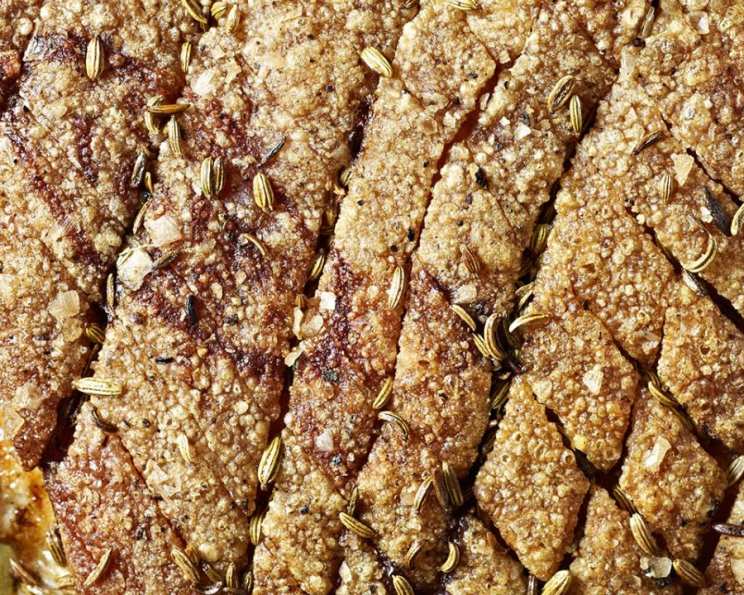
The Ultimate Indulgence: Slow-Roasted Pork Belly, Gordon Ramsay Style
The scent of pork belly, slow-roasting with aromatics, takes me back to a tiny bistro in Lyon. It was raining that day, a typical French drizzle, and I ducked inside seeking refuge. The owner, a stout woman with a booming laugh, recommended their poitrine de porc confite. The crackling shattered with the slightest touch, yielding to impossibly tender meat. It was pure culinary poetry, and this recipe captures that very magic, that unforgettable taste of simple perfection.
Recipe Overview
- Prep Time: 15 minutes
- Cook Time: 2 hours 30 minutes
- Total Time: 2 hours 45 minutes
- Servings: 4
- Dietary Type: Not Gluten-Free (due to potential gluten in chicken stock), Not Dairy-Free
Ingredients
- 1 kg pork belly
- Sea salt and black pepper
- 1 fennel bulb, trimmed and roughly sliced
- 4 fresh bay leaves
- 3 garlic cloves, peeled and bashed
- 1 teaspoon cardamom pod, bashed
- 4 star anise
- 1 tablespoon fennel seed
- Olive oil
- 325 ml white wine
- 500-750 ml chicken stock (depending on the size of your pan)
- 1 tablespoon coarse grain mustard
Equipment Needed
- Large roasting tray (oven and stovetop safe)
- Whisk
- Jug or gravy separator
- Sharp knife for scoring
Instructions
-
Preheat your oven to 180°C/Gas Mark 4 (350°F). This gentle heat is key to rendering the fat and creating that melt-in-your-mouth texture.
-
Prepare the pork belly by scoring the skin diagonally in a diamond pattern at 1½ cm intervals. Use a sharp knife and be careful not to cut into the flesh. This scoring is crucial for achieving crispy crackling, as it allows the fat to render and the skin to dry out.
-
Generously season the pork belly with sea salt and black pepper. Really rub the seasoning into the skin, ensuring every nook and cranny is covered. Don’t be shy with the salt; it’s essential for drawing out moisture and creating that crispy crust.
-
Place your roasting tray on the hob (stovetop) over medium heat. Add a drizzle of olive oil. Once the tray is hot, add the roughly sliced fennel bulb, bay leaves, garlic cloves, cardamom pods, star anise, and half of the fennel seeds. Cook for about 2 minutes, stirring occasionally, until the aromatics release their fragrance. This step infuses the pork with incredible flavor.
-
Push the aromatics to the side of the tray, creating a space for the pork. Place the pork belly, skin side down, in the hot tray. Cook for at least 5 minutes, or until the skin is nicely golden brown. This initial searing helps to render some of the fat and develop a rich flavor.
-
Turn the pork belly over so that the skin is facing upwards. Season the skin again with sea salt and sprinkle with the remaining fennel seeds. The extra seasoning will enhance the crisping process.
-
Carefully pour in the white wine to deglaze the pan, scraping up any browned bits from the bottom. Be careful not to get the skin of the pork wet at this stage. The wine adds depth of flavor to the sauce and helps to lift the caramelized fond from the pan.
-
Bring the wine to a boil, then pour in enough chicken stock to come up to the layer of fat just below the skin. Avoid pouring the stock directly onto the skin to maintain crispness. Allow the stock to boil again briefly.
-
Transfer the roasting tray to the preheated oven and cook for 2½ hours. The long, slow roasting process is what makes this pork belly so incredibly tender.
-
Once the cooking time is up, carefully remove the pork belly from the oven and transfer it to a warm plate. Tent loosely with foil and set aside to rest for at least 15 minutes. This allows the juices to redistribute, resulting in a more succulent and flavorful piece of meat.
-
While the pork is resting, prepare the sauce. Spoon off any excess fat from the roasting tray (or drag a slice of bread along the surface of the cooking juices to absorb it). Reducing the fat concentrates the flavors of the sauce.
-
Place the roasting tray back on the hob over medium heat. Add the coarse grain mustard to the pan.
-
Mix the mustard into the pan juices with a whisk, scraping up any remaining bits from the bottom. Taste and adjust the seasoning as necessary, adding more salt, pepper, or a touch of wine if needed.
-
Remove the star anise and cardamom pods from the sauce. These have already imparted their flavor and can be discarded.
-
Pour the sauce into a jug or gravy separator. This allows you to easily separate any remaining fat from the sauce before serving.
-
Carve the rested pork belly and serve immediately with the sauce alongside.
Expert Tips & Tricks
- Scoring is key: Don’t skip the scoring step! It’s essential for achieving crispy crackling. Use a very sharp knife or a box cutter for best results.
- Dry skin is happy skin: Make sure the pork skin is as dry as possible before roasting. Pat it dry with paper towels before seasoning. You can even leave it uncovered in the refrigerator overnight to dry out further.
- Don’t overcrowd the pan: If your roasting tray is too small, the pork belly will steam instead of roast. Use a large enough tray to allow for proper air circulation.
- Crispy crackling rescue: If your crackling isn’t as crispy as you’d like at the end of the cooking time, you can blast it under the broiler for a few minutes, but watch it carefully to prevent burning.
- Make-ahead magic: The pork belly can be cooked ahead of time and reheated. Cook it as directed, then cool completely and refrigerate for up to 2 days. Reheat in a low oven (150°C/Gas Mark 2) until warmed through.
Serving & Storage Suggestions
Serve the slow-roasted pork belly hot, sliced into portions, and drizzled with the flavorful pan sauce. It’s delicious served with creamy mashed potatoes, roasted vegetables, or a fresh salad. Leftovers can be stored in an airtight container in the refrigerator for up to 3 days. Reheat gently in a low oven or in a skillet until warmed through. The crackling may lose some of its crispness during reheating, but the flavor will still be fantastic. I do not recommend freezing pork belly, as the texture can suffer.
Nutritional Information
| Nutrient | Amount per Serving | % Daily Value |
|---|---|---|
| Calories | 1434.7 kcal | N/A |
| Calories from Fat | 1211 g | 84% |
| Total Fat | 134.6 g | 207% |
| Saturated Fat | 48.8 g | 244% |
| Cholesterol | 184.1 mg | 61% |
| Sodium | 297.5 mg | 12% |
| Total Carbohydrate | 12.3 g | 4% |
| Dietary Fiber | 2.4 g | 9% |
| Sugars | 2.8 g | 11% |
| Protein | 27.7 g | 55% |
Note: Nutritional information is an estimate and may vary based on specific ingredients and portion sizes.
Variations & Substitutions
- Spice it up: Add a pinch of chili flakes to the seasoning for a little heat.
- Citrus twist: Add a few strips of orange or lemon zest to the roasting tray for a bright, citrusy flavor.
- Herbal infusion: Add sprigs of fresh thyme or rosemary to the roasting tray along with the bay leaves.
- Stock swap: You can substitute vegetable stock for the chicken stock if preferred.
- Wine alternative: If you don’t have white wine, you can use apple cider vinegar or dry sherry instead.
FAQs (Frequently Asked Questions)
Q: Why is it important to score the pork belly skin?
A: Scoring the skin allows the fat underneath to render properly and the skin to dry out, resulting in crispy crackling.
Q: Can I use a different cut of pork for this recipe?
A: While you could use other cuts, pork belly is the best choice due to its high fat content, which creates a tender and flavorful result.
Q: How do I know when the pork belly is cooked through?
A: The pork is cooked through when it is fork-tender. A meat thermometer inserted into the thickest part should read at least 190°F (88°C).
Q: Can I make this recipe in a slow cooker?
A: While you could adapt it, the oven method is preferable for achieving crispy crackling. A slow cooker won’t get hot enough to render the fat properly.
Q: What can I do with the leftover pork fat?
A: Don’t throw it away! Pork fat is incredibly flavorful and can be used to roast vegetables, make confit, or even fry potatoes.
Final Thoughts
This slow-roasted pork belly is more than just a recipe; it’s an experience. The aroma that fills your kitchen, the anticipation as the crackling crisps, and the sheer pleasure of that first bite – it’s all worth the effort. So, gather your ingredients, preheat your oven, and prepare to indulge in a truly unforgettable culinary masterpiece. I encourage you to try this recipe and share your creations with friends and family. Serve it with a crisp apple cider or a full-bodied red wine for the perfect pairing. Bon appétit!