
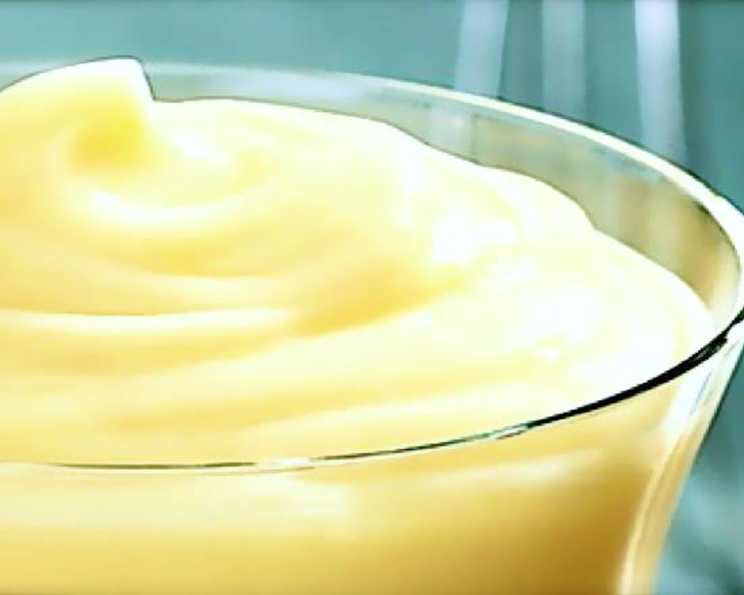
The Velvet Kiss of Homemade Mayonnaise: A Chef’s Secret
The first time I truly understood mayonnaise wasn’t from a jar, but from watching my grandmother, Nonna Emilia, in her sun-drenched kitchen. The rhythmic whisking, the gradual thickening, the sheer magic of humble ingredients transforming into something luxuriously smooth – it was captivating. She’d let me dip my finger in for a taste, that tangy, rich flavor a stark contrast to the insipid commercial stuff. That memory, that taste, sparked my lifelong love affair with real, homemade mayonnaise, a love I’m thrilled to share with you.
Recipe Overview
- Prep Time: 10 minutes
- Yields: 1 cup
- Serves: 16
- Dietary Type: Dairy-Free, Gluten-Free
Ingredients
- 1 fresh whole egg
- 1 fresh egg yolk
- 2 ½ teaspoons distilled white vinegar
- 1 ½ teaspoons fresh lemon juice (remove any seeds!)
- ½ teaspoon dry mustard
- ¼ teaspoon fine sea salt
- ¼ teaspoon white sugar
- ⅛ teaspoon cayenne pepper
- Pinch of garlic powder
- Pinch of white pepper
- ¾ cup canola oil
Equipment Needed
- Kitchen blender (with removable center lid knob)
- Measuring cup with a spout
Instructions
-
Important Safety Note: I’ve been making mayonnaise for years and have never had a single occurrence of “Salmonella”! Use only the freshest crack-free eggs that have been properly refrigerated. Before breaking eggs, sanitize the outer shells first, then rinse well for added safety. Serve prepared mayonnaise using a clean utensil which has not had contact with other ingredients. Keep unused mayonnaise sealed and refrigerated. Since any natural preservative-free mayonnaise is perishable, use within 3 days.
-
Prepare the Base: Select a durable, quality kitchen blender with a removable center lid knob. Crack one whole egg into the blender. Separate another egg and add just the yolk into the blender.
-
Add Seasonings: Add the remaining ingredients (except the canola oil) to the blender: 2 ½ teaspoons distilled white vinegar, 1 ½ teaspoons fresh lemon juice (ensure all seeds are removed!), ½ teaspoon dry mustard, ¼ teaspoon fine sea salt, ¼ teaspoon white sugar, ⅛ teaspoon cayenne pepper, a pinch of garlic powder, and a pinch of white pepper.
-
Emulsify the Base: Place the blender lid into place. Turn the blender on to the WHIP setting for a few seconds to emulsify the mixture. Stop the blender and remove the lid.
-
Prepare for Oil Addition: Remove the blender lid’s center knob to leave a feeding hole. Replace the adjusted lid.
-
Measure the Oil: Into a clear measuring cup with a spout top, add canola oil to the ¾ cup mark. The spout will allow for a controlled, slow stream.
-
Slowly Emulsify with Oil: This is the most crucial step. Slowly trickle the oil into the blender feeder hole by drips or up to the thinnest steady stream. Continue until all of the oil has been added, and the mayonnaise is completely blended and emulsified. Don’t rush this process! A slow and steady stream is key to a stable emulsion.
-
Refrigerate and Thicken: Transfer the mayonnaise into a resealable container to refrigerate. The mayonnaise will emulsify further and thicken as it chills in the refrigerator. You can also use it right away.
-
Storage: Keep any unused portion refrigerated at all times and use the fresh mayonnaise within 3 days due to the lack of preservatives.
-
Serving: Serve with your favorite foods and enjoy!
Expert Tips & Tricks
- Temperature is Key: Make sure your eggs are at room temperature for optimal emulsification. Take them out of the refrigerator about 30 minutes before you start.
- Slow and Steady Wins the Race: Adding the oil too quickly is the most common cause of mayonnaise failure. Be patient and let the blender do its work.
- Rescue a Broken Mayonnaise: If your mayonnaise separates (breaks), don’t despair! In a clean bowl, whisk another egg yolk with a teaspoon of lemon juice or vinegar. Then, very slowly, drizzle in the broken mayonnaise, whisking constantly, until it comes back together.
- Spice it Up: For a spicy kick, add a few drops of your favorite hot sauce along with the other seasonings.
- Herbal Infusion: Finely chop fresh herbs like dill, chives, or parsley and stir them into the finished mayonnaise for a burst of fresh flavor.
- Garlic Lover’s Delight: Roast a head of garlic until soft and sweet, then mash a clove or two into the mayonnaise for an extra savory touch.
Serving & Storage Suggestions
Homemade mayonnaise is incredibly versatile. It’s a classic accompaniment to sandwiches, burgers, and salads. Use it as a dipping sauce for fries or vegetables, or as a base for creamy dressings.
- Serving: Serve chilled or at room temperature. Garnish with a sprinkle of paprika or fresh herbs for an elegant presentation.
- Storage: Store homemade mayonnaise in an airtight container in the refrigerator for up to 3 days. Due to the absence of preservatives, it’s best to use it quickly. Do not leave it at room temperature for extended periods.
- Freezing: Freezing is not recommended, as it can alter the texture and cause separation.
Nutritional Information
| Nutrient | Amount per Serving | % Daily Value |
|---|---|---|
| Calories | 100.3 kcal | N/A |
| Calories from Fat | 97 kcal | N/A |
| Total Fat | 10.8 g | 16% |
| Saturated Fat | 0.9 g | 4% |
| Cholesterol | 23.2 mg | 7% |
| Sodium | 45.3 mg | 1% |
| Total Carbohydrate | 0.2 g | 0% |
| Dietary Fiber | 0 g | 0% |
| Sugars | 0.1 g | 0% |
| Protein | 0.8 g | 1% |
Variations & Substitutions
- Olive Oil Mayonnaise: Substitute half or all of the canola oil with extra virgin olive oil for a richer, more robust flavor. Be aware that olive oil mayonnaise can sometimes have a slightly bitter taste.
- Avocado Oil Mayonnaise: For a milder flavor and a boost of healthy fats, try using avocado oil.
- Vegan Mayonnaise: While this recipe uses eggs, many excellent vegan mayonnaise recipes exist, using ingredients like aquafaba (chickpea brine) as an emulsifier.
- Flavored Vinegars: Experiment with different types of vinegar, such as apple cider vinegar or rice vinegar, for unique flavor profiles.
- Citrus Zest: Add a teaspoon of lemon, lime, or orange zest to the mayonnaise for a bright, citrusy note.
FAQs (Frequently Asked Questions)
Q: Why does the recipe specify canola oil?
A: Canola oil is a neutral-tasting oil that allows the other flavors in the mayonnaise to shine through. It also emulsifies well.
Q: Can I use a different type of blender?
A: A traditional blender works best. Immersion blenders can be used, but may require a slightly different technique.
Q: My mayonnaise separated. What did I do wrong?
A: The most likely cause is adding the oil too quickly. Next time, be sure to drizzle it in very slowly.
Q: How can I adjust the tanginess of the mayonnaise?
A: Adjust the amount of lemon juice and vinegar to your preference.
Q: Is it safe to eat raw eggs in mayonnaise?
A: While the risk of salmonella is low when using fresh, properly refrigerated eggs, you can use pasteurized eggs for added peace of mind.
Final Thoughts
Making your own mayonnaise is an act of culinary love. It elevates even the simplest dishes and allows you to customize the flavor to your exact liking. Don’t be intimidated – with a little patience and these tips, you’ll be enjoying the creamy, tangy goodness of homemade mayonnaise in no time. Try it on a BLT with vine-ripened tomatoes, or dollop it on grilled artichokes. Let me know how it turns out! And feel free to experiment with different flavor combinations to create your own signature mayonnaise. Happy blending!